Cuba rejects U.S. demands to free political prisoners in talks
Havana says political prisoners are not on the table even as Washington pushes for releases in quiet talks. A recent 2,010-prisoner pardon has left families with no clear sign that political detainees are next.
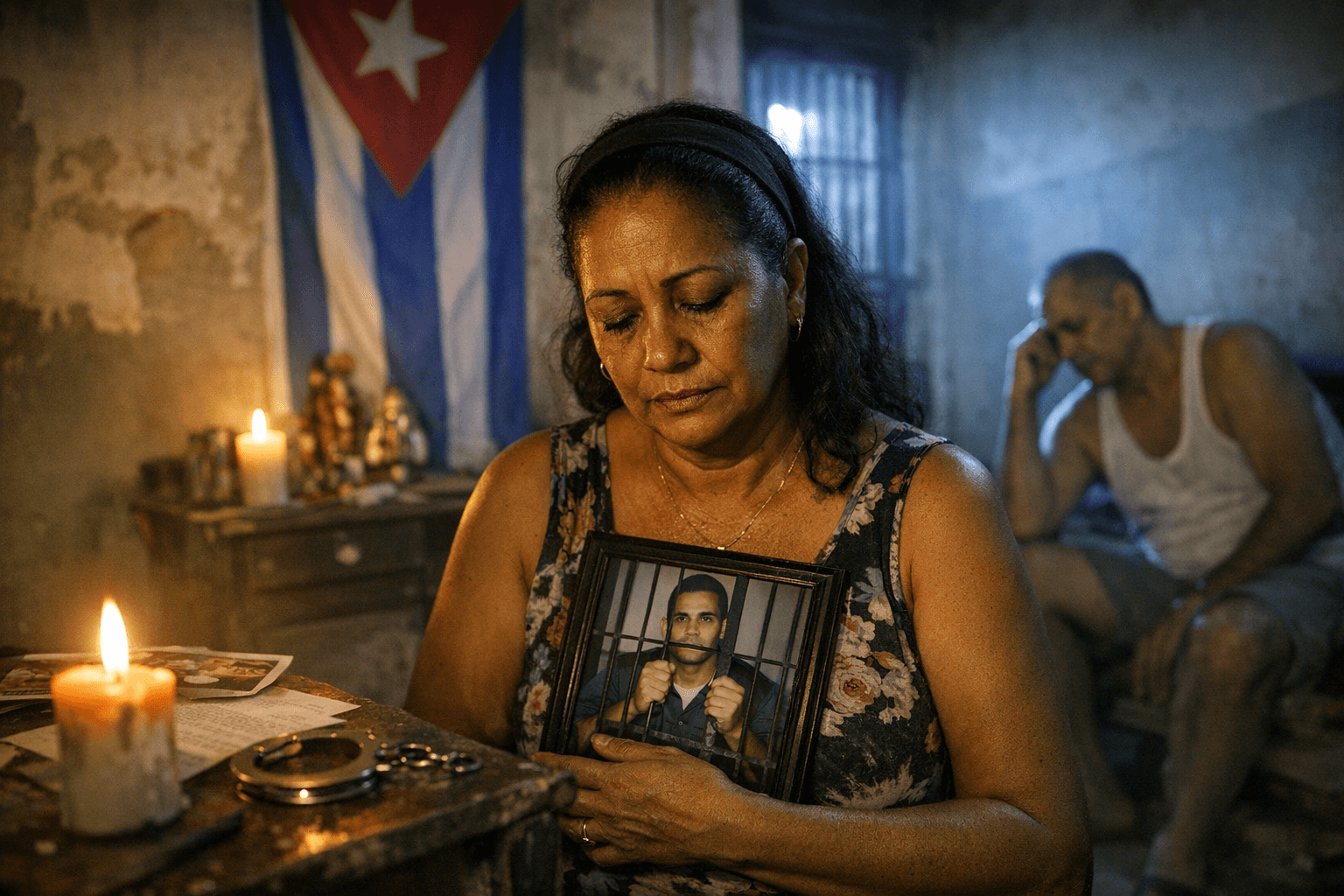
Cuba’s top diplomat at the United Nations drew a hard line in New York, saying political prisoners were not part of the talks with Washington and rejecting any idea that Havana would accept American ultimatums. Ernesto Soberón Guzmán said Cuba’s internal detention cases belonged to its own legal system, not to bargaining with the United States, a posture that sharpened the credibility gap at the center of the new negotiating push.
The dispute comes after secret meetings in Havana on April 10 between a U.S. delegation and Cuban officials. Soberón Guzmán said the contact took place at the U.S. undersecretary level and Cuba’s deputy foreign minister level, while U.S. officials pressed for major changes that included an end to political repression, the release of political prisoners and broader liberalization. The State Department has kept political-prisoner release as a core demand, saying it supports Cuban human rights and fundamental freedoms and wants all unjustly detained political prisoners freed.
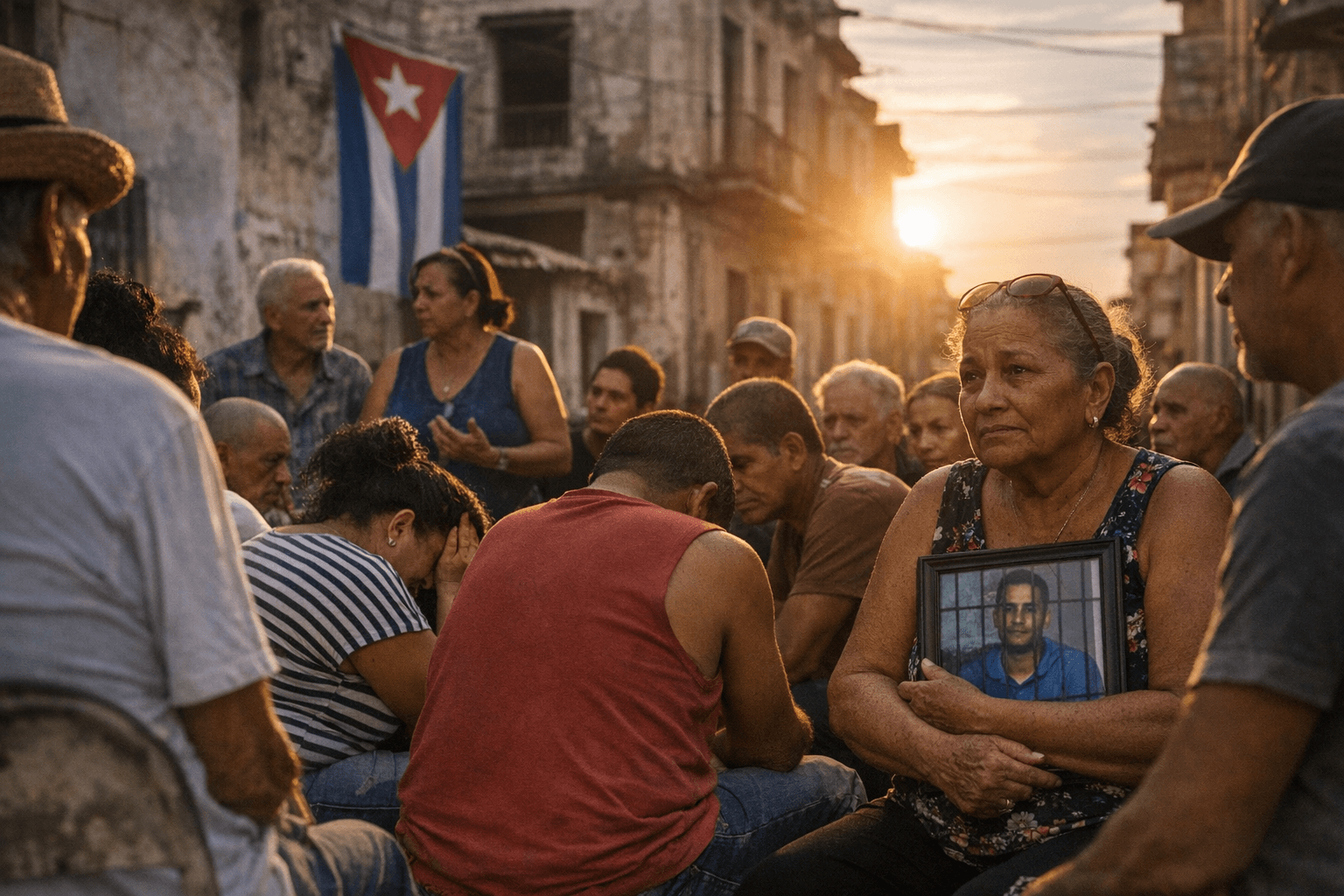
That makes Havana’s public denial especially significant. Cuba announced the release of 2,010 prisoners on April 2, but Human Rights Watch said rights groups had not identified any political prisoners among those freed. Amnesty International said on April 15 that the releases lacked transparency and did not amount to genuine respect for human rights. For families of detainees, the immediate takeaway is bleak: the government is showing it can move large numbers of prisoners when it wants to, but not on terms that clearly include jailed dissidents.
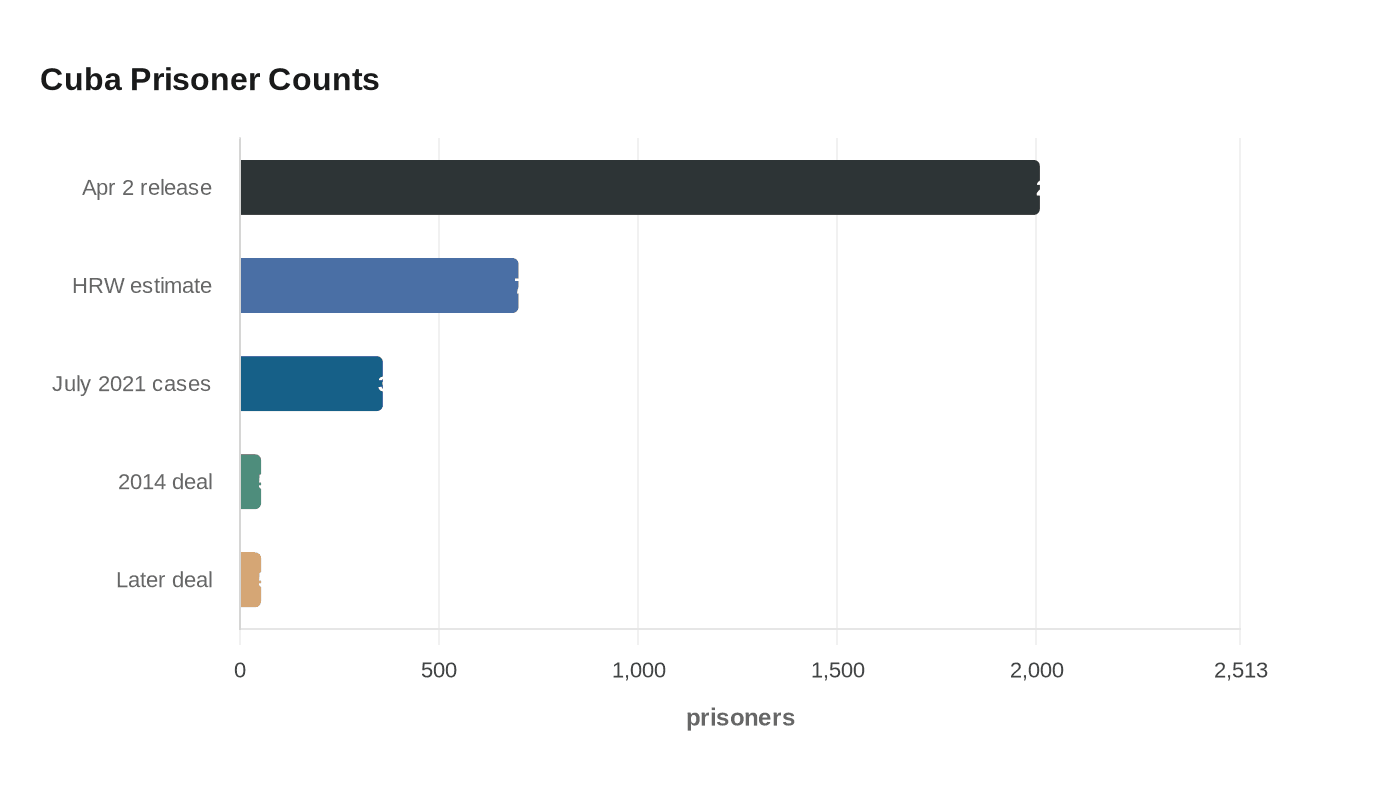
The numbers around Cuba’s prison system underline why this remains a central pressure point. Human Rights Watch said Prisoners Defenders reported nearly 700 political prisoners as of October 2025, and Justicia 11J said 359 people linked to the July 2021 protests were still behind bars in October 2025. Freedom House says Cuba remains a one-party communist state that outlaws political pluralism, bans independent media and suppresses dissent, leaving little room for domestic leverage outside external negotiations and public pressure.
The history of U.S.-Cuba diplomacy also explains why prisoner releases keep resurfacing. During the normalization push under Barack Obama, the two sides tied broader thaw efforts to prisoner releases, including the release of 53 political prisoners in 2014 and 53 more in a later agreement linked to diplomatic reopening. That precedent gives Washington a familiar bargaining chip and gives Havana a reason to deny that it is folding now, even as the latest round of talks keeps political prisoners at the center of the standoff.
This article was produced by Prism’s automated news system from verified source data, official records, and press releases, then run through automated quality and moderation checks before publishing. The system is built and supervised by the people who set the standards it runs under. Read our full AI policy.
Did this article answer your question?