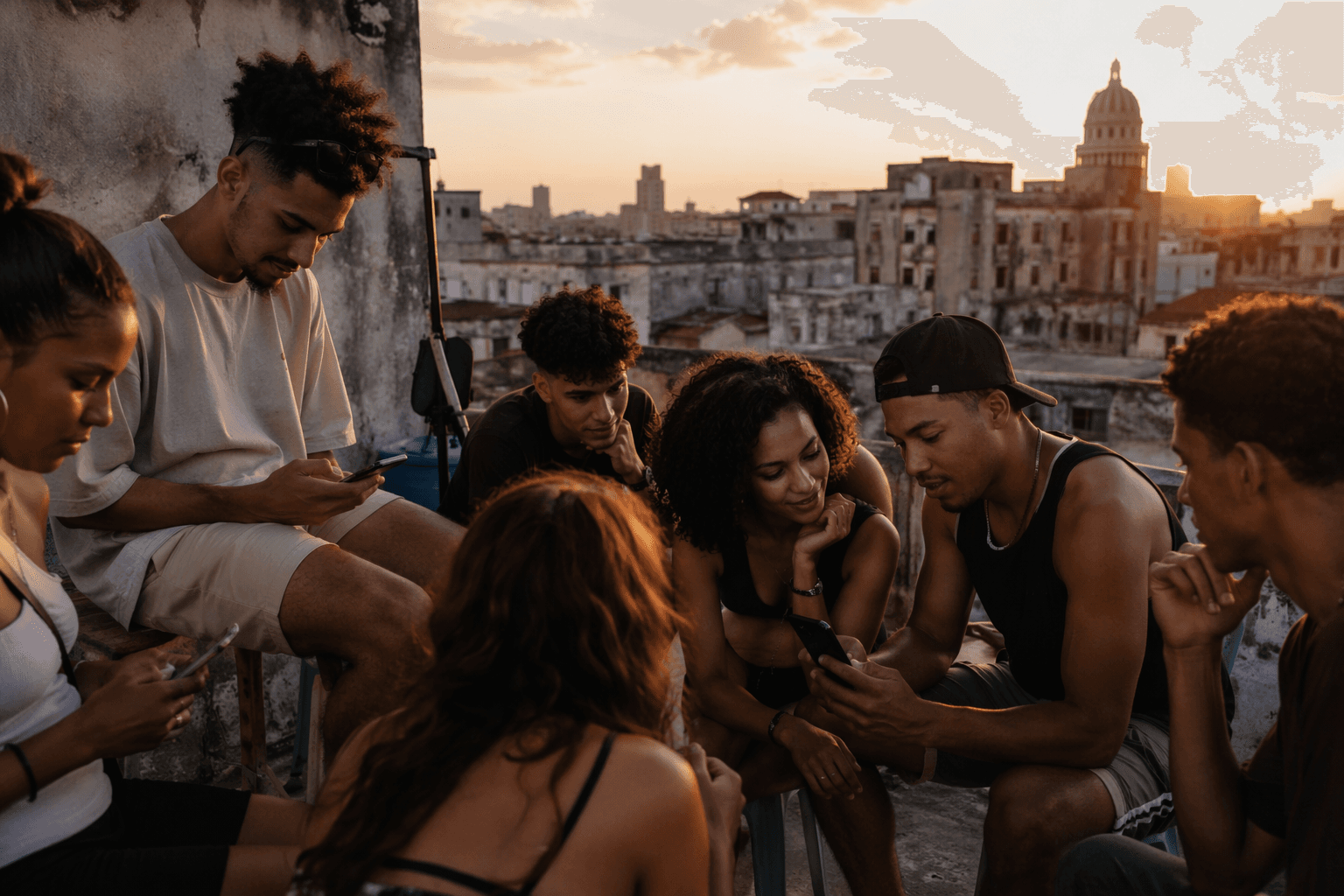
Cuba's crisis reaches daily beauty routines as shortages reshape habits
Havana beauty routines are now a survival exercise. Manicures, hair care, and even a trip across town are being reshaped by water cuts, blackouts, and transport breakdowns.

A manicure now tells the whole story
Eduvirgen Zamora sat in Havana weighing a small humiliation that says a lot about Cuba right now: she could not afford the fresh manicure she wanted, and her hands showed it. Instead of keeping up with the routine she used to enjoy, she picked a cheaper service and had her lashes done instead, hoping people would look up, not down. That tiny switch captures the new logic of daily life on the island, where appearance, comfort, and even basic planning are being rewritten by shortages.
The same pattern shows up in hair salons, where Melina Colás said chronic water shortages had made certain styles too hard to maintain. Anything that requires constant washing, steady upkeep, or a reliable schedule starts to feel like a luxury, not a routine. What used to be ordinary self-care is turning into a set of trade-offs, and the compromises are showing up across Cuban society, not just among the poorest families.
The beauty routine has become an improvisation economy
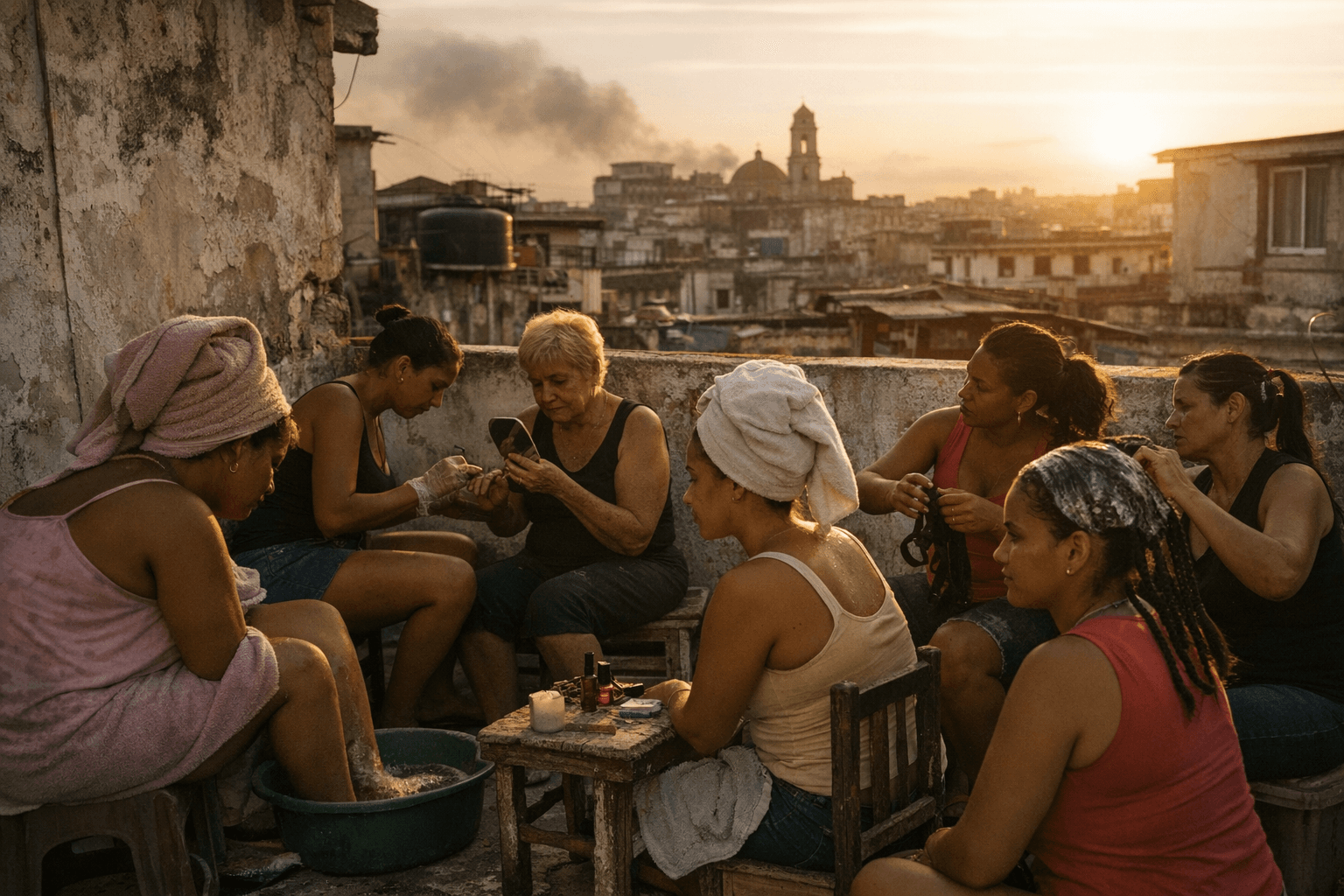
Inside Havana salons, workers are substituting whatever they can get their hands on. One manicurist told AP she now keeps a spray bottle filled with a mix of water and vinegar, a stand-in for the clean water she cannot count on, and something she uses to help with cuticles and fungal problems when clients stretch time between appointments. That kind of workaround is now part of the service itself: not a special add-on, just the difference between working and closing.
A hair salon in Havana went three weeks without water, a delay made worse by the fact that electricity powers many pump stations and outages are frequent. When the power cuts off, water does not just disappear from the tap, it disappears from the whole business model. Some straightening treatments are no longer possible, which means stylists are not only losing products and time, they are losing entire categories of work.
What Cubans are dropping first
The habits getting abandoned are the ones that used to signal normal life. People are skipping fresh manicures, changing hairstyles less often, and avoiding styles that demand repeated washing. They are also building their days around what might still work, instead of what would actually be convenient.
A few of the substitutions are now easy to spot:
- Cheaper cosmetic services instead of full salon visits
- Lashes instead of nails, because they last longer and draw the eye elsewhere
- Hair styles that can survive without constant washing
- Vinegar-water sprays and other homemade substitutes in place of reliable supplies
- Longer gaps between appointments, because transport and scheduling are both unstable
These are not fashion choices in the usual sense. They are adaptation strategies in a place where shortage is now shaping the look of everyday life.
Water is the hidden clock behind everything
The beauty stories matter because water scarcity reaches far beyond salons. Recent reporting put the number of Cubans suffering from water shortages at more than three million, with drought and problems in the water system’s infrastructure cited as major causes. Once water becomes uncertain, the day stops following a normal rhythm, because washing, cooking, cleaning, and grooming all depend on it at the same time.
That is why the crisis feels so invasive. Recent AP coverage has described blackouts in some parts of Cuba lasting as long as 20 hours a day, and those outages ripple outward into pumps, sinks, and bathrooms. Severe shortages of water, power, and money, combined with a U.S. energy blockade, have deepened poverty and increased hunger across the island, turning what used to be separate problems into one long squeeze on daily life.
Getting across the city is now part of the hardship
Mobility has become another daily negotiation. Clients arrive late because public transport is scarce, and AP travel reporting has repeatedly described intercity buses as notoriously unreliable, while train and domestic plane tickets can be extremely hard to obtain. Even moving across Havana can take the shape of a gamble, which makes salon appointments, work shifts, and family obligations harder to keep.
That breakdown has an old echo. AP transport reporting has compared today’s mobility problems to the post-Soviet Special Period, when Fidel Castro promoted Chinese-made bicycles as an emergency solution. The comparison lands because Cubans have seen this kind of improvisation before, but the scale now is harsher: fuel shortages, aging infrastructure, and sanctions pressure are all hitting at once, with the state-run transport company also seeing fuel allotments for its vehicles cut in half.
The electricity crisis is still the bigger engine under all of it
The island’s power system remains under severe strain. Reuters reported in September 2025 that Cuba’s national grid collapsed in a nationwide blackout, the fourth such collapse in less than a year, and that about 9.7 million residents were affected. Hospitals, airports, and water pumps stayed alive only because backup systems kept them running, a reminder that even the most basic services now depend on emergency layers beneath the official grid.
That fragility has not gone away. Reuters reported on April 23 that a 100,000 metric ton delivery of Russian oil offered only short-term relief to an energy-starved island that still depends on outside fuel. In practice, that means blackouts can keep coming, pumps can keep failing, and the little decisions that define normal life, like when to wash your hair or whether a manicure is worth it, will keep getting remade around scarcity.
What makes this crisis so hard to ignore is that it no longer lives only in economics or politics. It is now visible in a chipped manicure, a forgotten hairstyle, a salon spray bottle, a late bus, and a city that keeps asking people to improvise around the essentials.
This article was produced by Prism’s automated news system from verified source data, official records, and press releases, then run through automated quality and moderation checks before publishing. The system is built and supervised by the people who set the standards it runs under. Read our full AI policy.
Did this article answer your question?