Canada upgrades Cuba travel advice amid fuel, food shortages and flight suspensions
Canada raised its Cuba travel guidance to "Avoid non-essential travel" and warned that all Canadian airlines have suspended service, urging travellers to check flights and consider leaving while options remain.
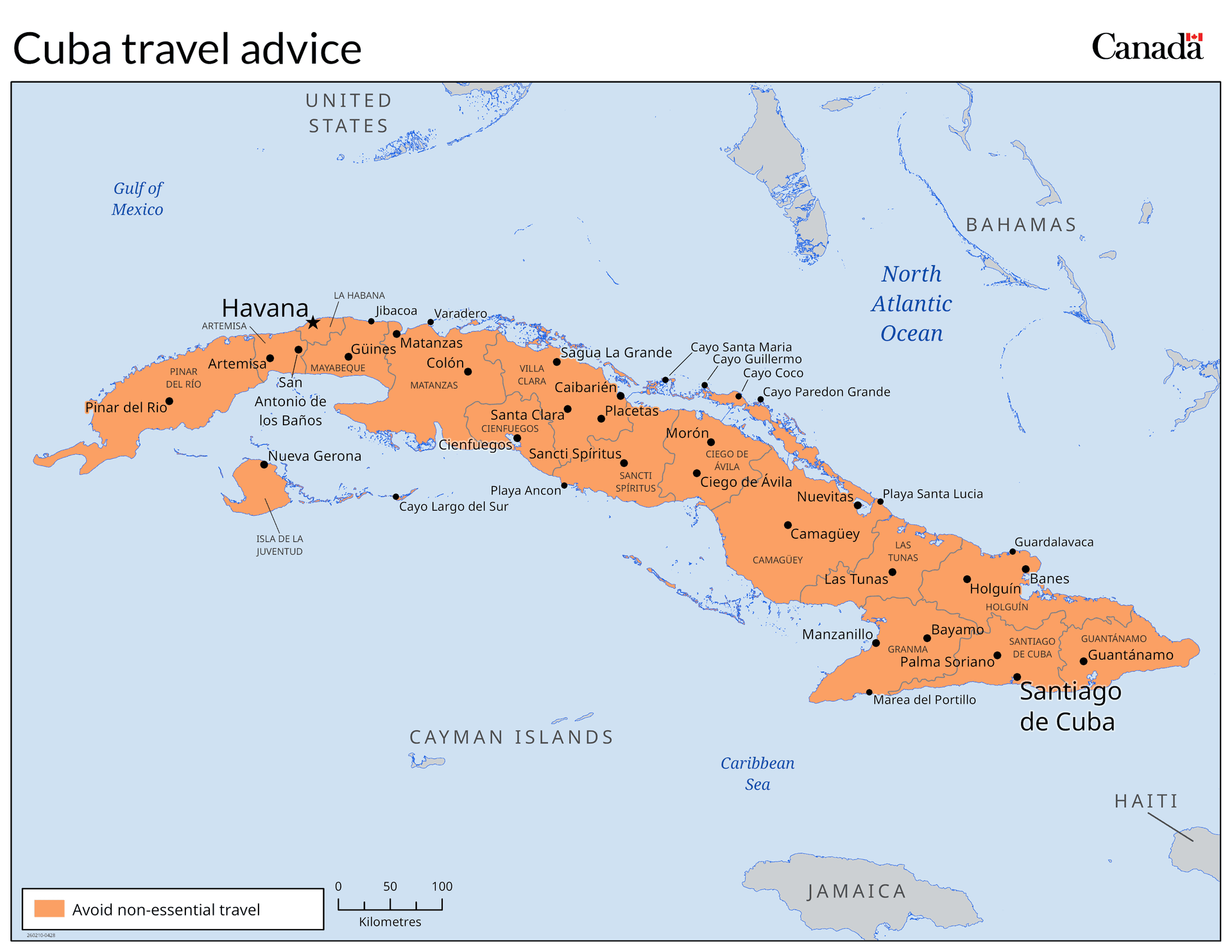
The Government of Canada has raised its Cuba travel guidance to "Avoid non-essential travel," posting the advisory on the travel.gc.ca Cuba destination page and on the Travel.gc Facebook account. The travel.gc advisory states, "Avoid non-essential travel to Cuba due to worsening shortages of fuel, electricity, and basic necessities including food, water, and medicine. These shortages can also affect services at resorts." The Travel.gc Facebook post on February 11 at 4:14 PM repeated the change and urged Canadians: "We have changed the risk level for #Cuba to Avoid non essential travel due to worsening shortages of fuel and basic necessities, and the suspension of service to Cuba by Canadian airlines. Check your flight and avoid extending your stay."
The travel.gc page also warns that "All Canadian airlines have suspended service to Cuba until further notice." Media reporting cited specific airline pauses: Air Canada announced it was stopping service to Cuba until April 30 and would focus on picking up about 3,000 travellers to return them home, while WestJet paused flights until April 25 and Air Transat until April 30. The Travel Industry Council of Ontario's chief executive Richard Smart told The Globe and Mail, "I really don't expect things to get better in Cuba after May 1," and the Globe reported Mr. Smart's count of "about 6,000" Canadian tourists still on the island.
On the ground, the federal advisory and travel coverage point to shrinking fuel supplies and unreliable power. Travel.gc cautions that "Fuel availability has decreased, is difficult to predict, and may disrupt ground transportation." Condé Nast Traveler and CN Traveler reported long lines for gasoline and frequent power outages, and The Globe and Mail said many hotels are consolidating guests into larger resorts to save resources. A Reuters photograph dated Feb. 14 showed empty sun loungers in Varadero as a lone tourist stood on the beach, underscoring quieter resort areas (photo credit Norlys Perez/Reuters).
The advisory sits amid a wave of similar moves by other governments. Newsweek reported the UK FCDO updated its advice on February 11 to advise "against all but essential travel to Cuba," while Australia Smartraveller, Ireland's Department of Foreign Affairs and the Embassy of Sweden issued warnings on February 12. Condé Nast Traveler and Newsweek noted the US Embassy in Cuba issued an alert on fuel shortages, while the US State Department has maintained a Level 2: Exercise Increased Caution advisory since May 2025.
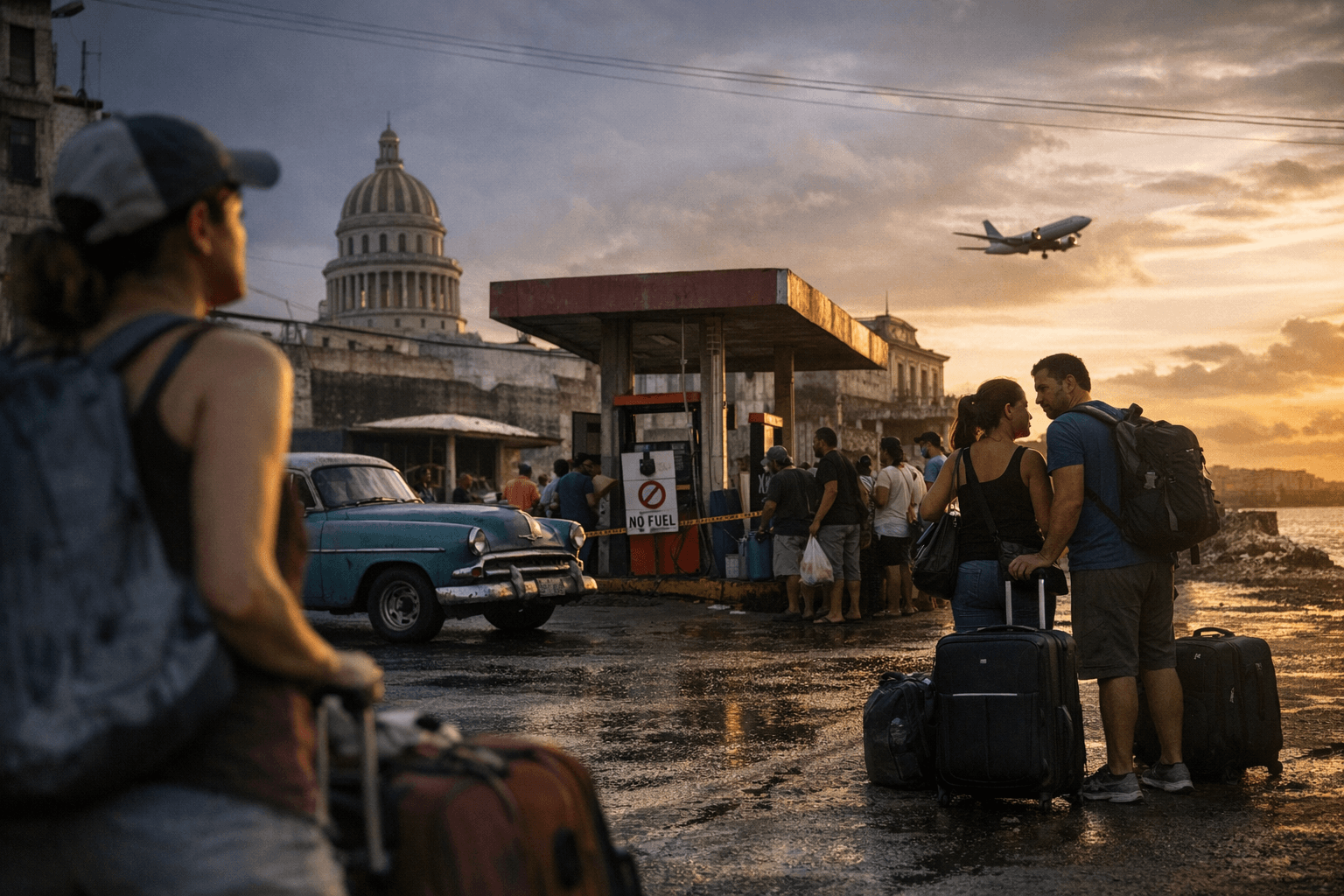
Public reaction to Canada's post has been vocal. The Travel.gc Facebook announcement drew about 1,100 reactions, 906 comments and 430 shares; commenters asked whether Canada should send humanitarian aid and cited industry figures. One commenter, Sandy De Silva, wrote that "Air Canada, WestJet (including Sunwing), and Air Transat have traditionally carried more than 600,000 Canadian tourists to Cuba each year" and suggested package cost breakdowns, while Brenda Pike wrote, "It would be nice if Canada would step up and help with humanitarian aid!"
Travel.gc's page adds a practical warning: "Commercial flights remain available through international airlines; however, they may become limited on short notice. You should consider leaving while options remain available." With airline suspensions, reported repatriation efforts and Richard Smart's warning that conditions may worsen after May 1, thousands of Canadians in Cuba face constrained options if fuel and power shortages deepen.
Know something we missed? Have a correction or additional information?
Submit a Tip