China Offers Assistance to Cuba as Island Faces Jet Fuel Shortage
China offers help to Cuba as a jet A-1 fuel shortage forces airlines to adjust flights and snarls transport and services across the island.
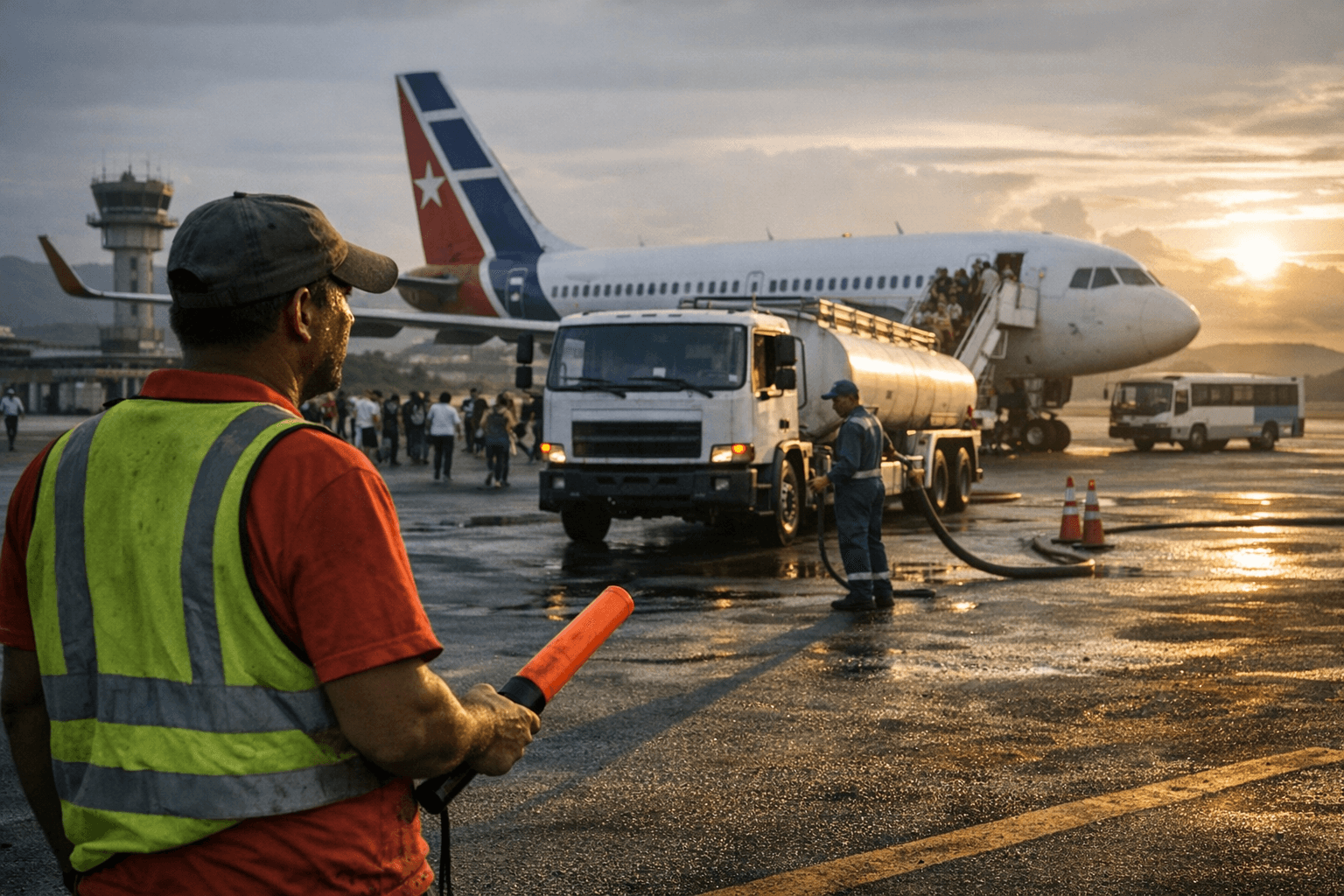
China’s foreign ministry said it stands ready to assist Cuba after Cuban aviation authorities warned that jet A-1 fuel would not be available at nine airports, including Jose Marti International Airport in Havana, forcing multiple airlines to adjust or suspend services.
At a regular news conference in Beijing, foreign ministry spokesman Lin Jian said, “China firmly supports Cuba in safeguarding its national sovereignty and security, and opposes foreign interference.” He added, “We will always provide support and help to the Cuban side to the best of our ability.” Chinese state media reported Lin describing U.S. measures as “suffocating tactics” that are “causing many difficulties for the country,” and said Beijing is “discussing with our Cuban friends possible ways to resolve these problems, or at least to provide all possible assistance.” China’s foreign ministry also said there had been no reports of its citizens being stranded in Cuba due to airlines suspending flights because of the jet fuel shortage.
The operational notices inside Cuba were published to airlines and pilots on Sunday night and warned that jet fuel would not be available “from Tuesday until March 11.” The immediate consequence was disruption to scheduled air services while carriers reassess refueling options and contingency routes. The notices cited a lack of commercial availability of jet A-1 fuel at nine airports, a severe constraint for an island that depends on air links for tourism, trade and medical evacuations.
The shortage is compounding daily hardships on the ground. In Havana the public bus system has effectively ground to a halt, leaving many residents stranded amid endemic power outages and long fuel lines. Banks have cut operating hours, cultural events have been suspended, and organizers postponed major gatherings including the Havana International Book Fair. Tourism, once a $3 billion-a-year lifeline, faces renewed strain as flights are curtailed and travel plans are disrupted.
Analysts and officials point to international pressure and supply chokepoints as part of the backdrop. The U.S. has been linked to actions that blocked shipments from Venezuela, and Cuban reporting says U.S. political pressure has effectively severed access to petroleum sources in Venezuela and Mexico. The United Nations has expressed concern over the “growing fuel shortages, and their impact on people,” a development reported after President Donald Trump reportedly threatened to impose tariffs on any country that sells oil to Cuba. International allies have also voiced solidarity: Russian Foreign Minister Sergey Lavrov said, “Countering neo-colonial practices of all kinds ranging from unilateral coercive measures to military interventions remains firmly in our focus,” and affirmed solidarity with Venezuela and Cuba. Cuban official Soberón Guzmán commented, “Fortunately… we are not alone.”
Practical steps for residents and visitors: verify travel plans with your airline before heading to airports, expect reduced bank hours and limited local transport in many parts of the island, and plan for longer waits at fuel stations and public services. For community organizers and cultural venues, prepare contingency schedules and communicate cancellations promptly.
What comes next depends on whether Cuba can secure emergency fuel deliveries and whether Beijing, Moscow or other partners move from diplomatic assurances to concrete shipments or logistical support. For now, the shortage is a stark reminder that fuel access shapes daily life in Havana and across the provinces, with ripple effects for travel, tourism and basic services.
Know something we missed? Have a correction or additional information?
Submit a Tip