China Urges US to End Cuba Blockade Amid Deepening Humanitarian Crisis
China's FM Mao Ning called on Washington to end Cuba's blockade as the island's power grid collapsed three times since March and 96,000 surgeries remain backlogged.

China's Foreign Ministry spokesman Mao Ning called on Washington to immediately end what Beijing describes as an illegal blockade of Cuba, as the island struggles through its worst energy crisis in decades with 11 million people periodically left without power and hospitals facing a backlog of more than 96,000 pending surgeries.
"We urge the U.S. to immediately end its blockade, sanctions and all forms of coercion and pressure against Cuba," Mao Ning said during a press briefing. "China will continue to help Cuba in its own way to the best of its capabilities."
The call came amid a cascade of crises on the island. Cuba's national electrical grid collapsed entirely on March 16, leaving all 11 million Cubans without power in what officials described as a "complete disconnection" of the system. The grid failed two more times before the end of March, each time plunging the country into days of darkness. Hospitals suspended operations, schools and businesses shuttered, and water pumps, which run on diesel, stopped functioning across the country.
The energy collapse traces directly to a near-total cutoff of imported fuel. After the Trump administration removed Venezuelan President Nicolás Maduro in January, Cuba lost its primary oil supplier. Mexico, under pressure from Washington, halted shipments by January 27. Trump had threatened tariffs against any country that continued selling or providing oil to Cuba.
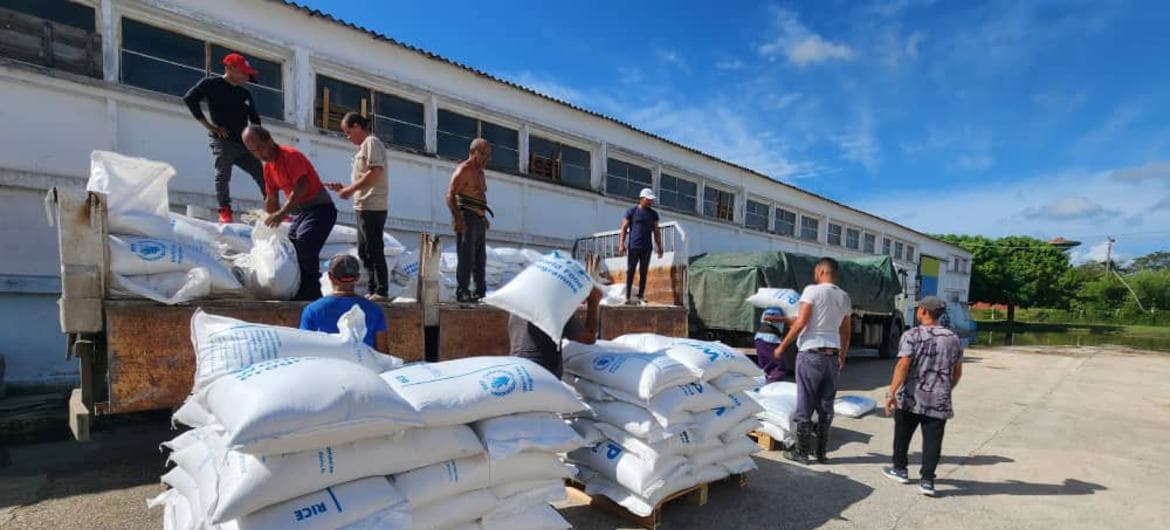
The humanitarian toll has been severe. The 96,000 surgical backlog includes 11,000 operations for children. The National Immunization Programme has been delayed for thousands of infants. UN Resident Coordinator Francisco Pichon, briefing reporters on April 7, said that despite limited Russian oil shipments reaching the island, "the humanitarian needs in the country remain quite acute and persistent." Pichon unveiled an updated Action Plan targeting around two million people across eight provinces, building on recovery efforts from Hurricane Melissa.

Beijing's position has gone beyond diplomatic statements. Mao Ning described Cuba as a "historical friend" of China and called for its removal from the U.S. list of state sponsors of terrorism. China has also moved into concrete action, investing in solar power infrastructure across the island as a direct response to the oil blockade, racing to install renewable capacity while the energy situation remains critical.
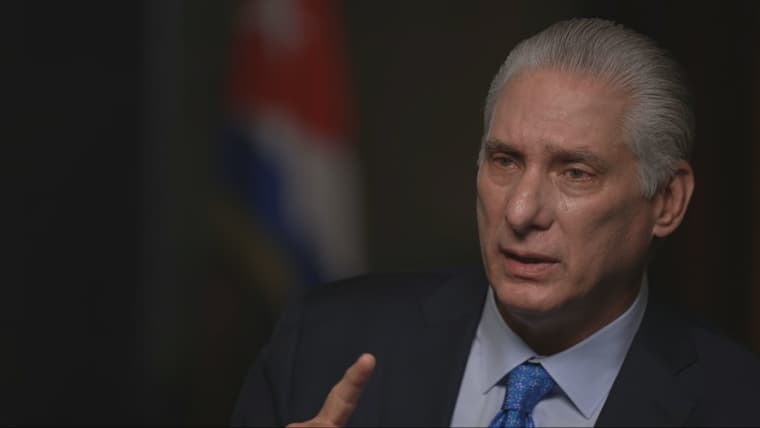
First Secretary of the Communist Party of Cuba Miguel Díaz-Canel blamed the outages on what he called "financial and energy persecution" by the United States. Trump, meanwhile, escalated the rhetoric, saying Cuba was "next" after a military operation against Iran and musing openly about whether he would "free" or "take" the island. On April 3, Cuba released more than 2,000 prisoners, following an earlier agreement to free 51 political prisoners.
China's diplomatic backing carries weight as an international signal, but the gap between rhetoric and relief on the ground in Havana remains wide. With solar panels arriving in container ships and surgical cases piling up in darkened wards, the speed of one may determine the severity of the other.
Know something we missed? Have a correction or additional information?
Submit a Tip