UN Warns Cuba's Energy Crisis Deepens Humanitarian Needs After Hurricane
Cuba's national grid collapsed three times in March, leaving hospitals on backup power. The UN says a $68M funding gap now threatens dialysis centers and clean water access across 8 provinces.
Three times in March, Cuba's national electrical system disconnected entirely, plunging the island into darkness for days at a stretch. That grim detail sat at the center of an April 6 briefing by Francisco Pichon, the UN Resident Coordinator in Cuba, who warned from New York that the humanitarian situation had "worsened" since the end of March and that needs across the island remain "quite acute and persistent" despite the recent arrival of limited fuel.
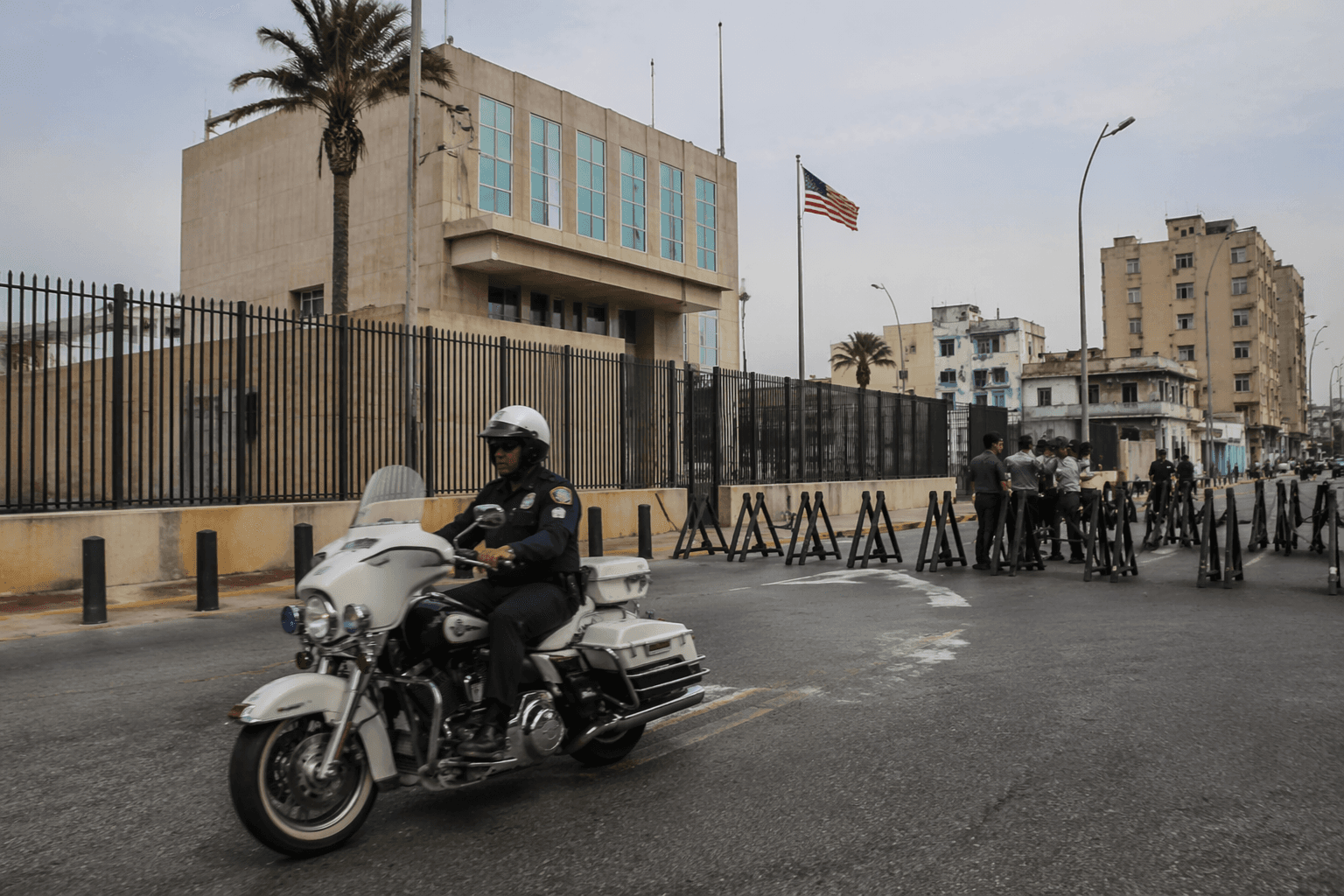
Washington moved at the end of January to block oil supplies from reaching Cuba, an action that followed the removal of Venezuelan President Nicolás Maduro, who had been Cuba's primary fuel supplier. The result was three months with insufficient fuel to keep the national grid functioning. A Russian oil tanker, the Anatoly Kolodkin, docked at the port of Matanzas on March 31, but even that shipment has not resolved what Pichon described as systemic, multiplying humanitarian damage across every aspect of daily life, including health, water and sanitation, food systems, education, and transportation.
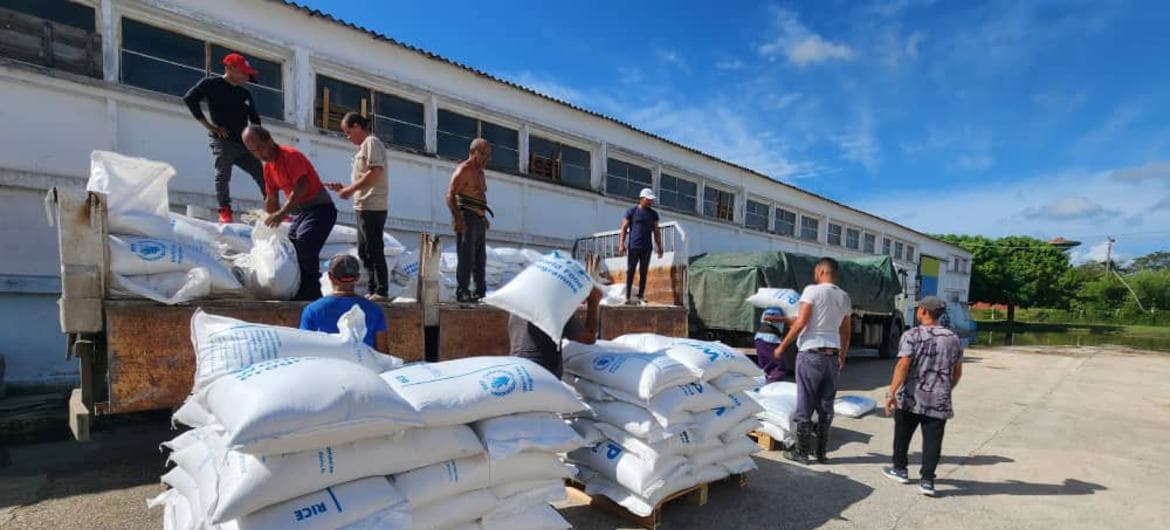
Pichon unveiled an updated Action Plan aimed at supporting around two million people across eight provinces, building on previous recovery efforts from Hurricane Melissa with a focus on the island's collapsing power grid. The plan calls for solar power installations at hospitals, schools, and irrigation systems, as well as reinforcement of water pumping infrastructure to reduce dependence on the fragile national grid. Health facilities operating on backup generators, dialysis centers, and cold-chain storage for medicines were identified as the most urgent priorities.
Hurricane Melissa, which struck last October, compounded every layer of the current crisis. Infrastructure that was already strained by years of fuel restrictions took additional damage that has never been fully repaired, and the UN's relief coordination for Melissa-affected communities now runs directly into the same fuel and logistics constraints that define the broader emergency.
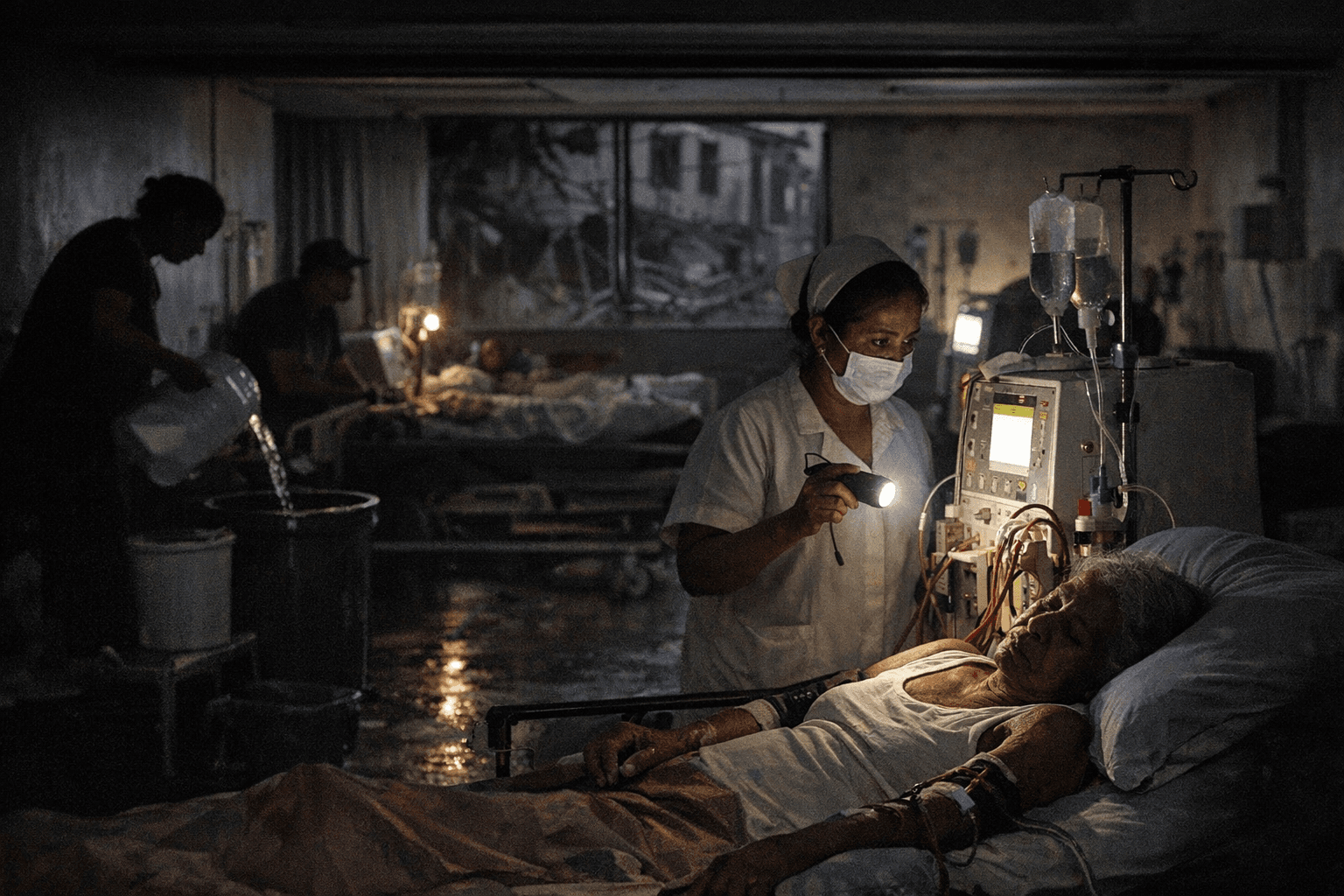
The UN has mobilized $26.2 million, but a funding gap of $68 million remains. Pichon stressed the need to work in close dialogue with national authorities and the private sector to identify logistical solutions. "The humanitarian consequences continue every day, despite recent efforts to deliver fuel; the situation comes on top of multiple shocks," he said, adding: "We believe this is a critical window of opportunity to mobilise resources and raise awareness of the urgency."
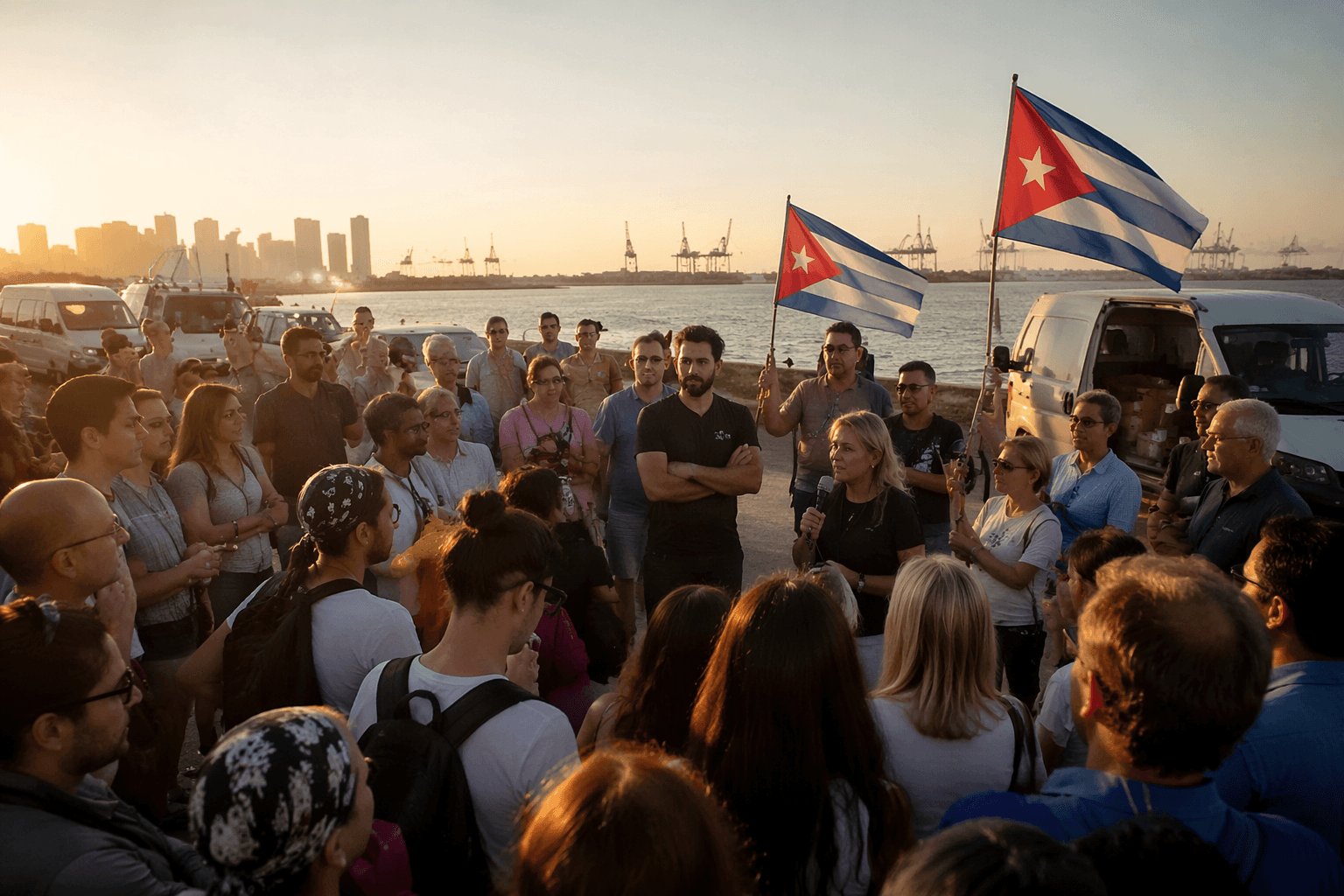
For the Cuban diaspora routing remittances or donations through vetted NGOs, the UN's warning carries immediate practical weight. The UN condemned the US fuel blockade as "unilateral economic coercion" and a violation of international law. With $68 million still unmet and the grid disconnecting at the rate of three nationwide failures in a single month, the margin between a functioning health system and a collapsed one is narrowing fast.
Know something we missed? Have a correction or additional information?
Submit a Tip