U.S. Embassy in Havana warns of protest-related travel disruptions
Travel to the U.S. Embassy in Havana was at risk of disruption before dawn on May 22, with police, detours and access issues possible by May 21 evening.
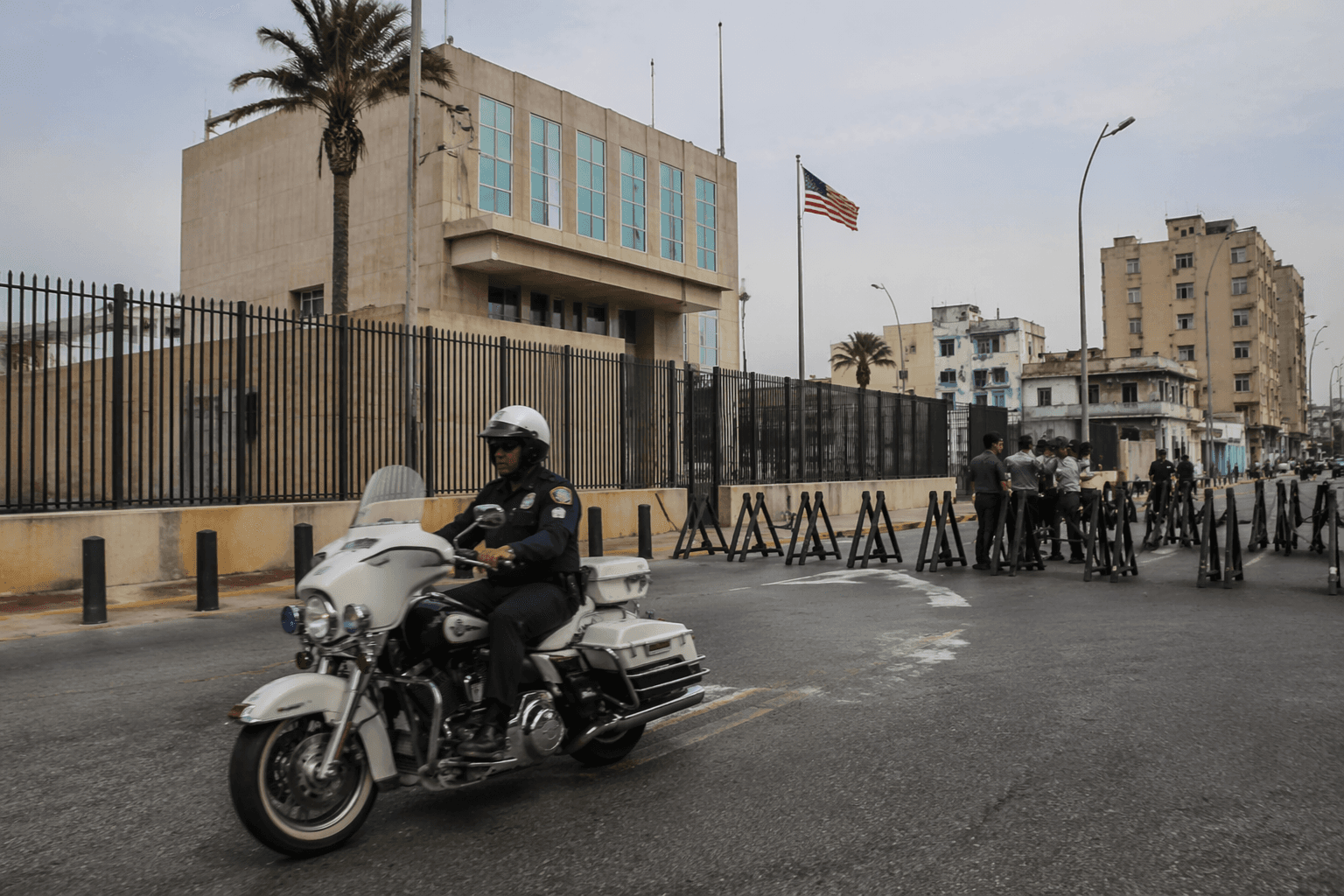
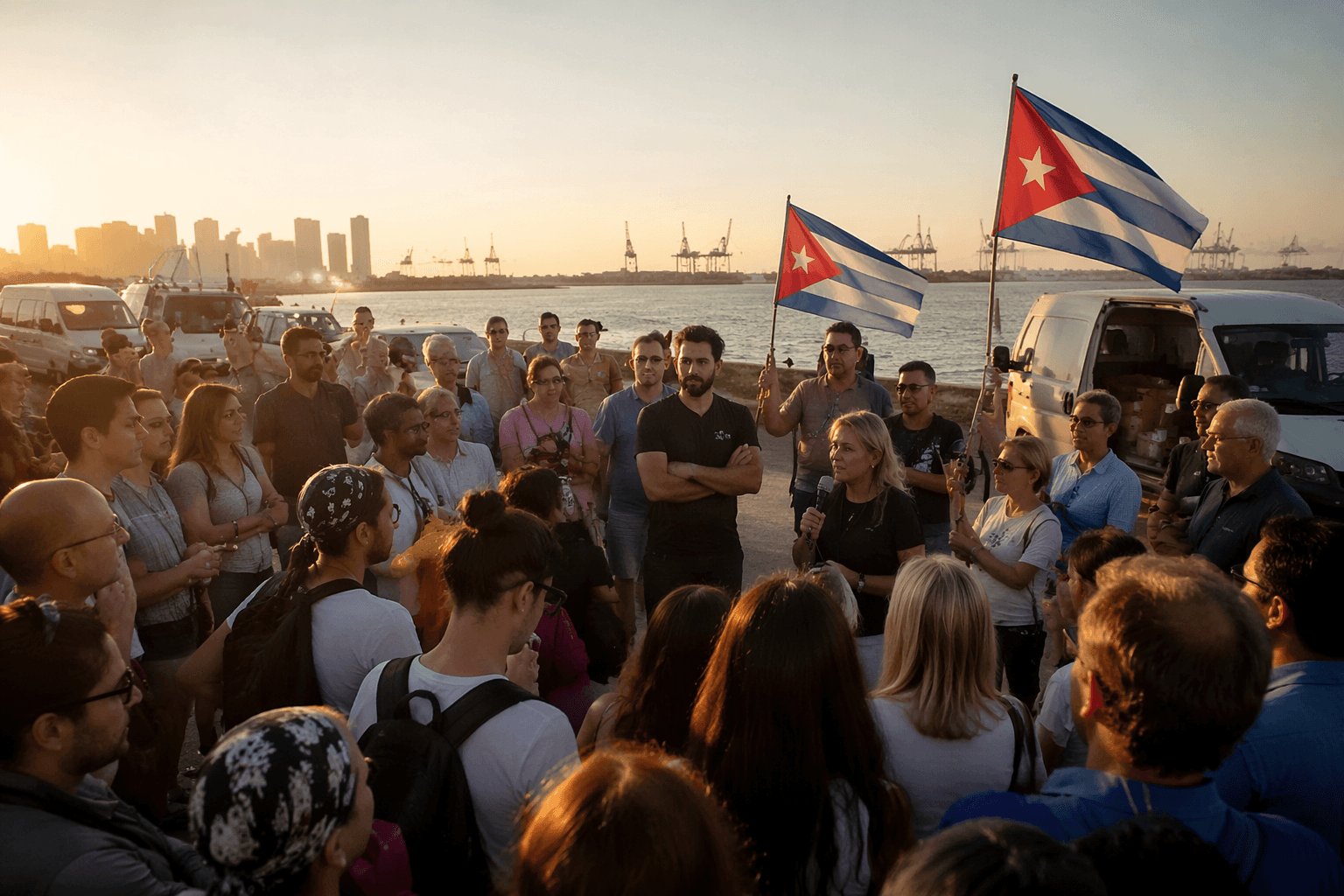
Travelers with consular business in Havana had to watch the embassy approach closely after the U.S. Embassy warned that a planned protest could choke access to its plaza and the surrounding area. The alert said Cuban authorities were preparing a demonstration for the morning of Friday, May 22, in the plaza in front of the embassy, and warned that access could be affected as early as the evening of May 21.
The embassy’s message was blunt about the practical fallout: increased police presence, traffic detours and travel disruptions were all possible around the mission. It did not report a confirmed shutdown, but it clearly signaled that the area could become difficult to enter or exit before the protest even began. For anyone with an appointment, an emergency request, or a taxi headed toward central Havana, the safest move was to expect delays and keep plans loose.
That warning landed in a city already dealing with severe pressure on movement and daily routines. The State Department’s Cuba advisory remained at Level 2, Exercise Increased Caution, and it had been updated to reflect power grid failures and Treasury licensing rules tied to travel. The advisory also said petty crime remained a risk in Cuba and that violent crime, including armed robbery and homicide, was rising. U.S. travelers were told to enroll in STEP so the department could reach them quickly in an emergency.
The timing mattered because the alert came just days after Cuba’s national grid suffered a major failure on May 13 and 14, hitting eastern provinces hard and deepening blackouts in Havana. Reuters reported protests in Havana over the power cuts, and coverage from ABC News and CBS News said the U.S. offered Cuba $100 million in aid during the crisis. Against that backdrop, even a single demonstration outside the embassy had the potential to ripple far beyond the plaza and into the city’s already fragile movement patterns.
The embassy itself has long sat at the intersection of politics and logistics. It says diplomatic relations were severed in 1961, the U.S. Interests Section opened in 1977, and the current building dates to 1953. That history helps explain why a rally in front of the mission is never just symbolism in Havana. It can quickly become a concrete problem for anyone trying to reach the embassy, get through central Havana, or make it to an appointment on time.
Know something we missed? Have a correction or additional information?
Submit a Tip