Treasury subpoenas Hasan Piker, Medea Benjamin over Cuba aid convoy
Treasury’s sanctions unit has subpoenaed Hasan Piker and Medea Benjamin over a Cuba convoy that carried medicine, hospital gear and other aid from Miami.
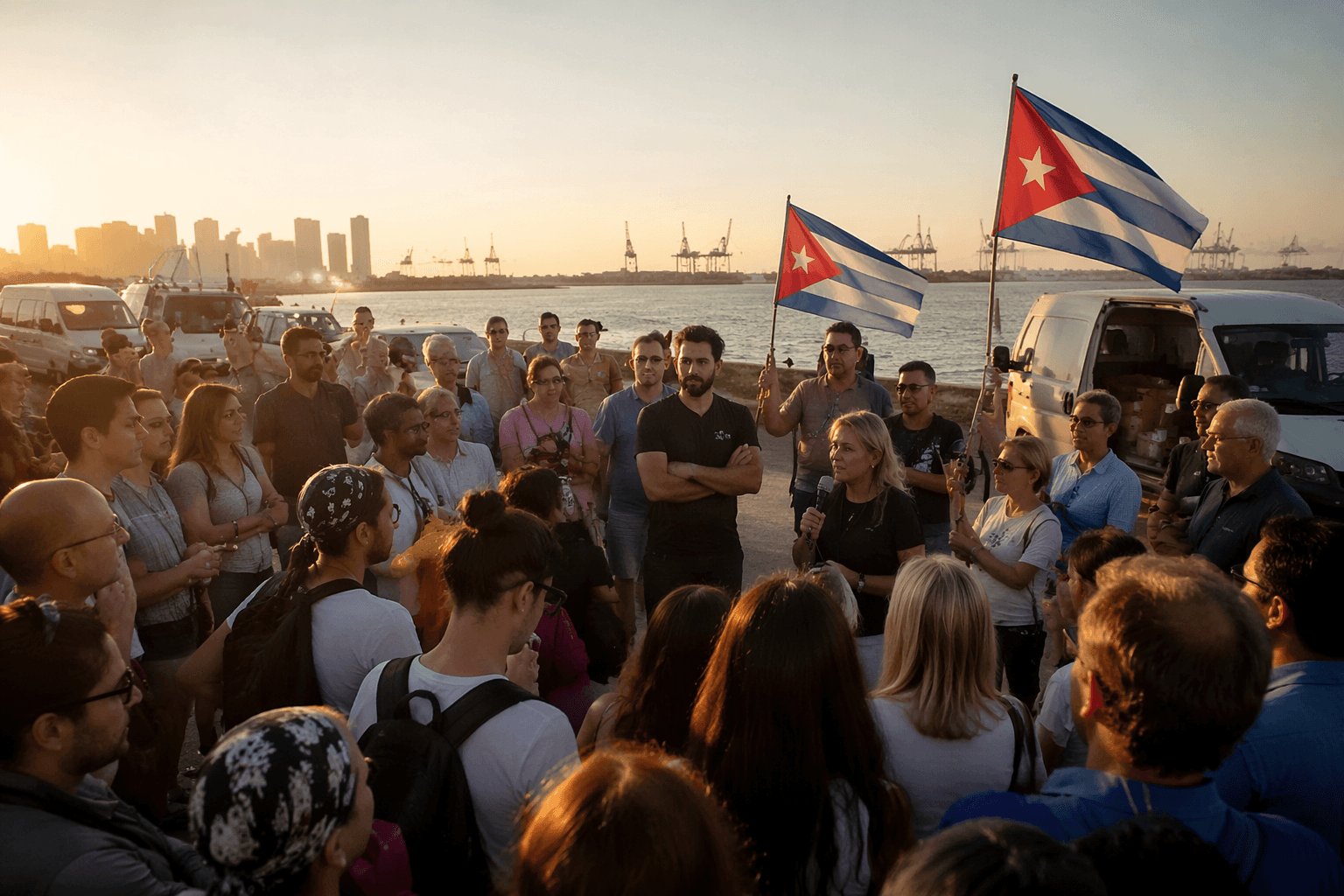
Treasury’s sanctions arm has pulled a Cuba aid convoy into a formal enforcement probe, subpoenaing Hasan Piker and Medea Benjamin as part of an investigation led by the Office of Foreign Assets Control into possible violations of U.S. sanctions rules. The subpoenas reportedly seek financial, travel and communications records tied to a March 2026 trip to Cuba involving as many as 40 U.S. citizens, putting the Nuestra América Convoy, also called the Our America Convoy, squarely in the middle of the long-running fight over what humanitarian support can legally cross the line into sanctionable support.
CODEPINK said its delegation departed Miami on March 20, 2026, carrying 6,300 pounds of medicines and medical supplies valued at $433,000. The shipment included neonatal equipment, analgesics, catheters and other hospital materials, with Global Health Partners identified as the group that collected the supplies. Other descriptions of the convoy said it brought about 20 tonnes of humanitarian aid, including food, medicine, solar equipment, bicycles and school supplies, as the convoy reached Havana with participants drawn from dozens of countries.
The convoy was organized as a coalition that included CODEPINK, Progressive International, The People’s Forum and Global Health Partners. Supporters presented the mission as humanitarian relief meant to get urgently needed supplies to Cuban hospitals and communities, while critics argued that any organized delivery of goods and travel support into Cuba can run into the web of U.S. restrictions that have governed the island for decades. That is why the records Treasury is seeking matter so much: financial trails, travel arrangements and communications can show how the convoy was funded, coordinated and carried out.
The investigation lands at a sensitive point for Cuba aid work because it tests where protected humanitarian activity ends and sanctions exposure begins. If OFAC pushes forward, the case could shape how activists, nonprofits and individual travelers document donations, routing, and contacts when they organize future deliveries to Cuba. For now, the same aid boxes that supporters say were filled with medicine and hospital gear are also the paper trail Treasury wants to examine, and that may define the next chapter for citizen-led convoys headed to Havana.
Know something we missed? Have a correction or additional information?
Submit a Tip