Congressional Black Caucus urges end to Cuba sanctions amid humanitarian crisis
The caucus said Cuba’s sanctions are driving hunger and infant deaths, days after Trump widened the pressure campaign with new measures.
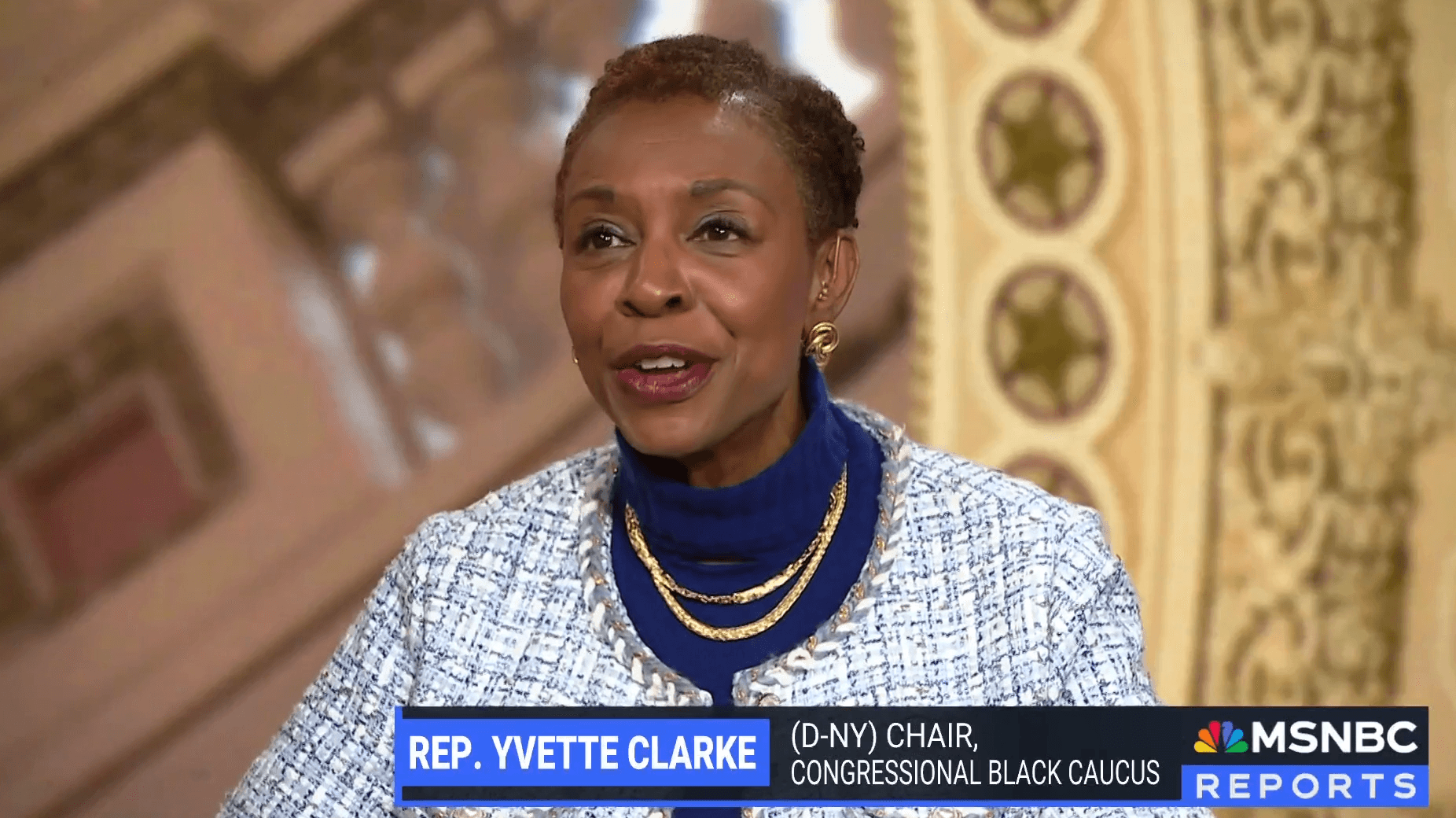
The Congressional Black Caucus stepped into the Cuba sanctions fight with a blunt warning: the Trump administration’s pressure campaign was deepening a humanitarian crisis on the island, and the cost was showing up in infant mortality, food insecurity and falling living standards. On Friday, May 22, 2026, Chairwoman Yvette D. Clarke, the New York Democrat who represents NY-09, sent a letter to President Donald Trump and Secretary of State Marco Rubio urging them to end the oil restrictions and broader economic squeeze on Cuba.
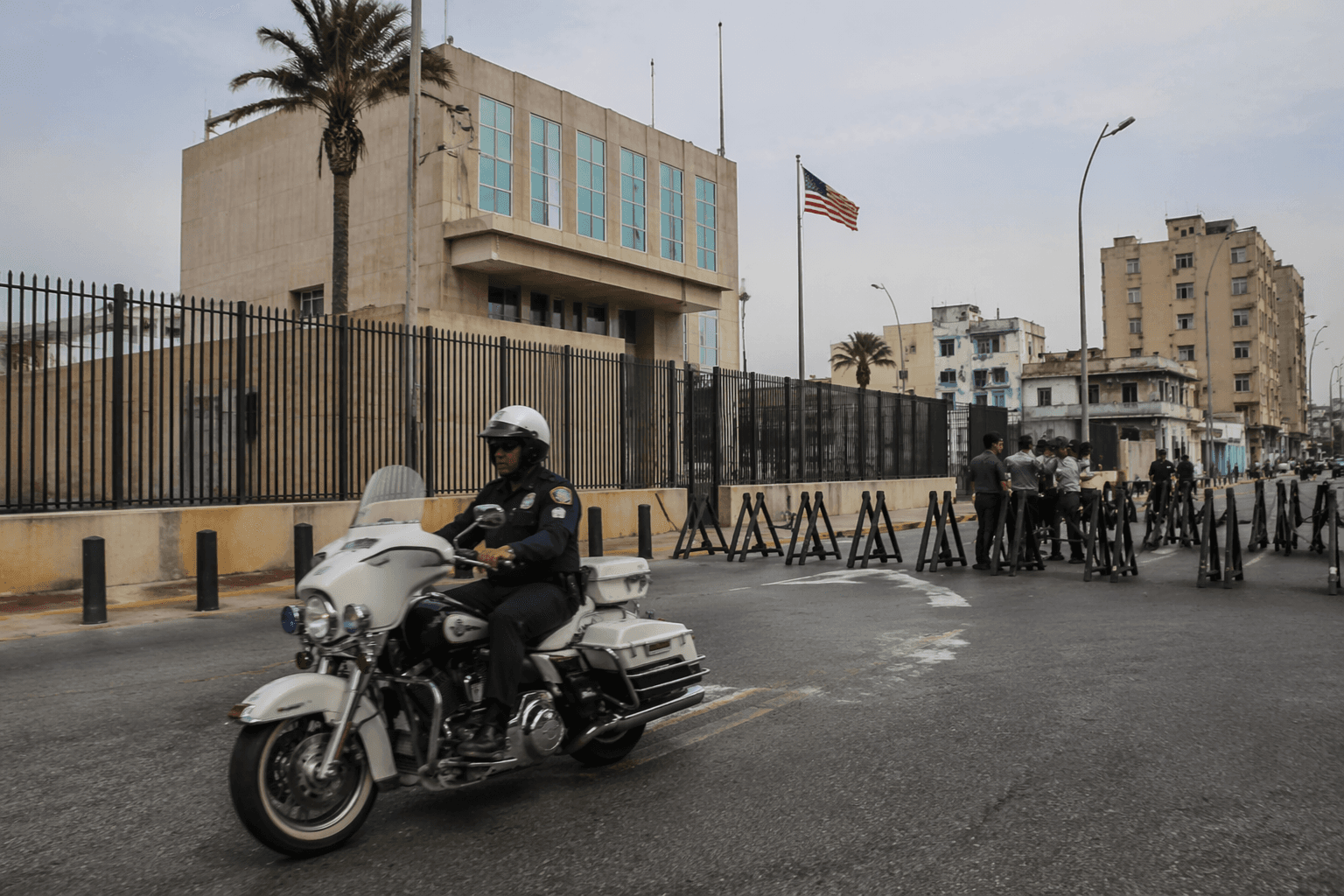
Clarke’s letter framed the sanctions not as a narrow foreign policy tool but as a direct cause of “unimaginable human suffering.” The caucus tied the restrictions to what it described as starvation risk, declining standards of living and rising infant mortality. That message landed in the middle of a fresh escalation from Washington: Trump signed Executive Order 14404 on May 1, 2026, and the State Department announced new Cuba sanctions on May 7 and again in mid-May, targeting Cuban officials, security and intelligence entities and Grupo de Administración Empresarial S.A., the military-linked conglomerate known as GAESA.
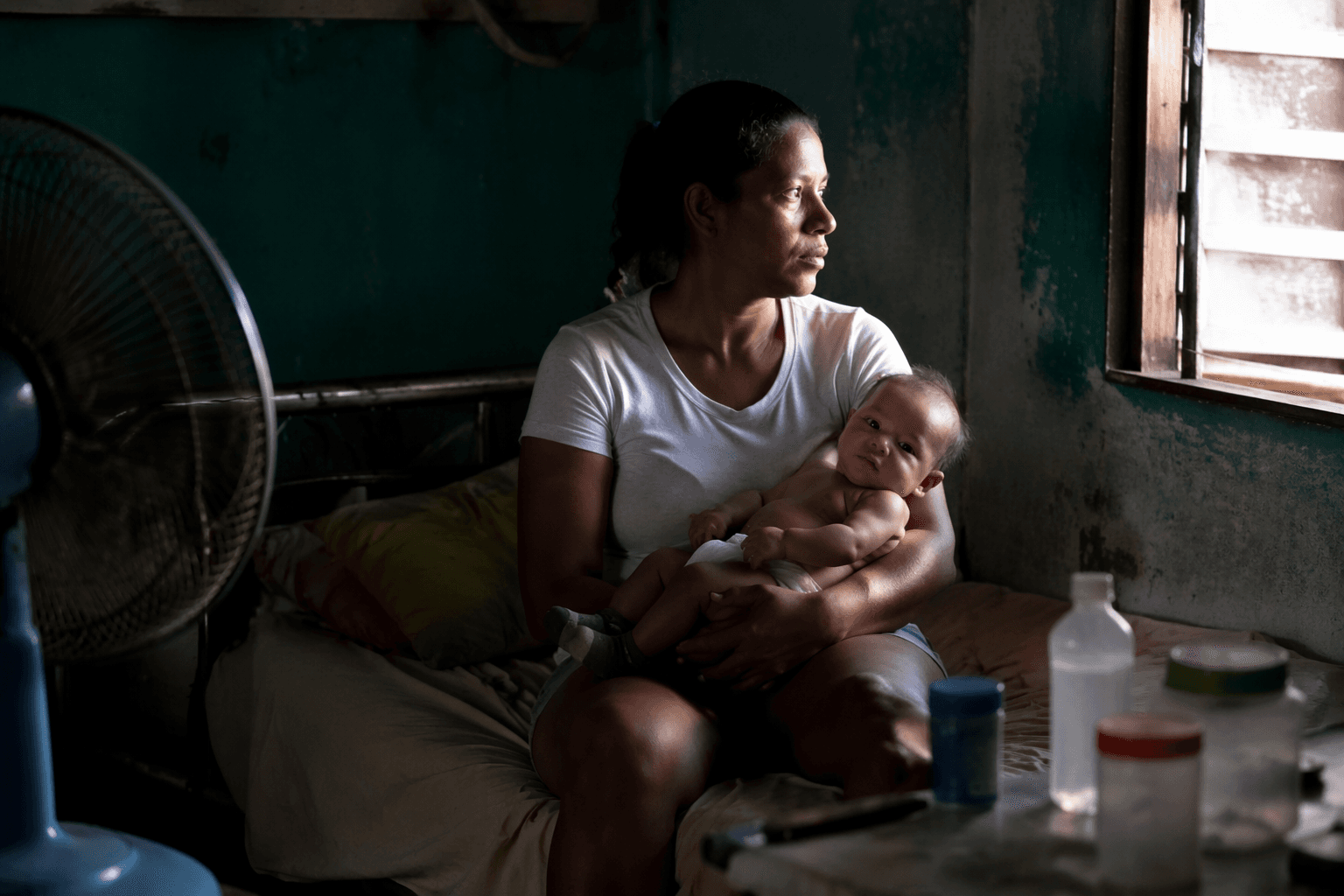
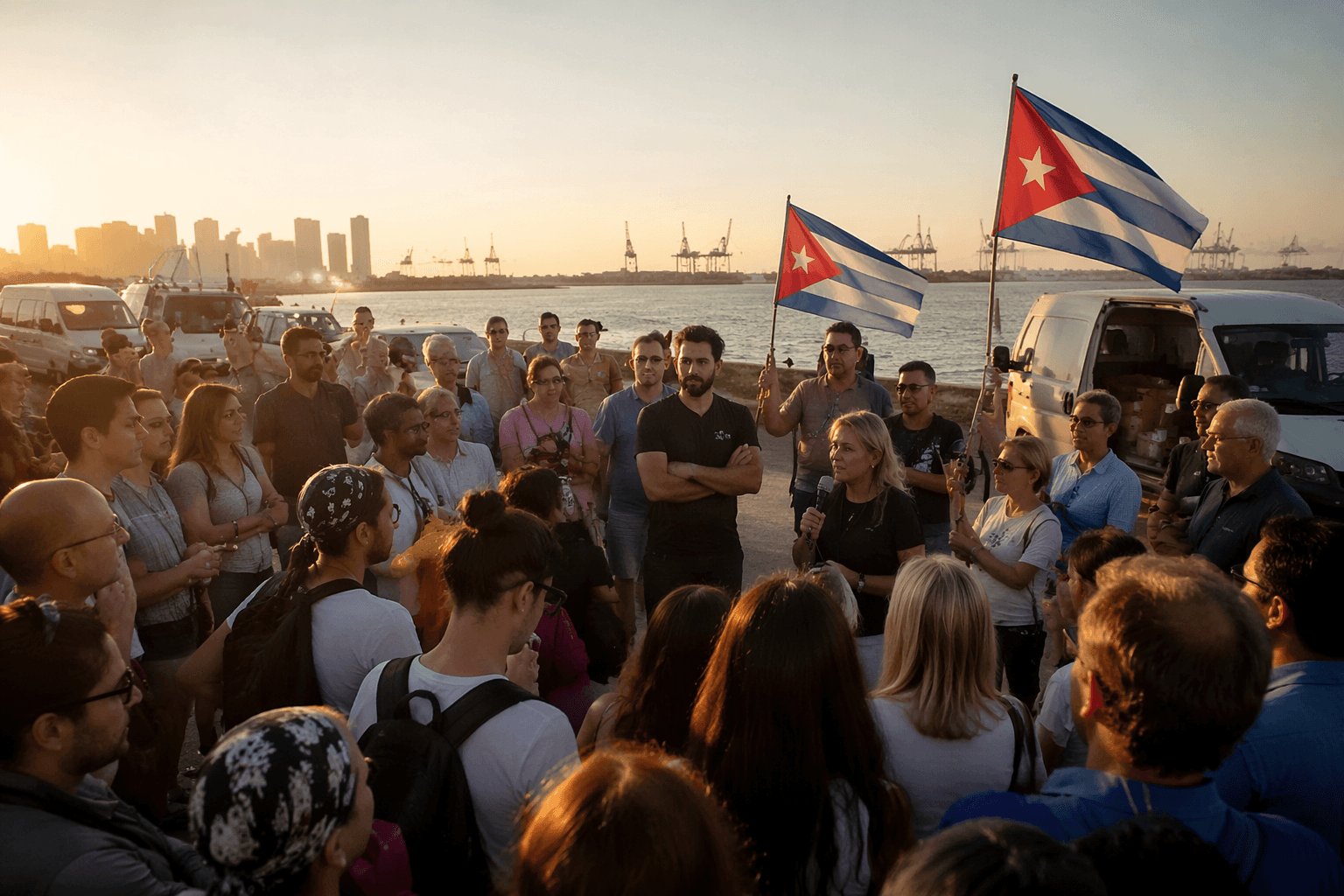
The timing sharpened the political clash. United Nations experts criticized the U.S. fuel restrictions in May 2026 as “energy starvation,” a phrase that underscored how central oil access has become to daily life in Cuba. The White House and State Department, meanwhile, have presented the new measures as aimed at repression and at Cuba’s military and elite networks, not ordinary families. But the humanitarian indicators now cited in the Cuba debate are hard to ignore. Cuban government reporting put infant mortality at 7.1 per 1,000 live births in 2023 and 7.4 in 2024. UNICEF’s Cuba profile reported infant mortality at 7.1 in 2024 and maternal mortality at 40.6 per 100,000 live births, while also saying food production continued to decline, worsening nutrition vulnerabilities and social inequalities.
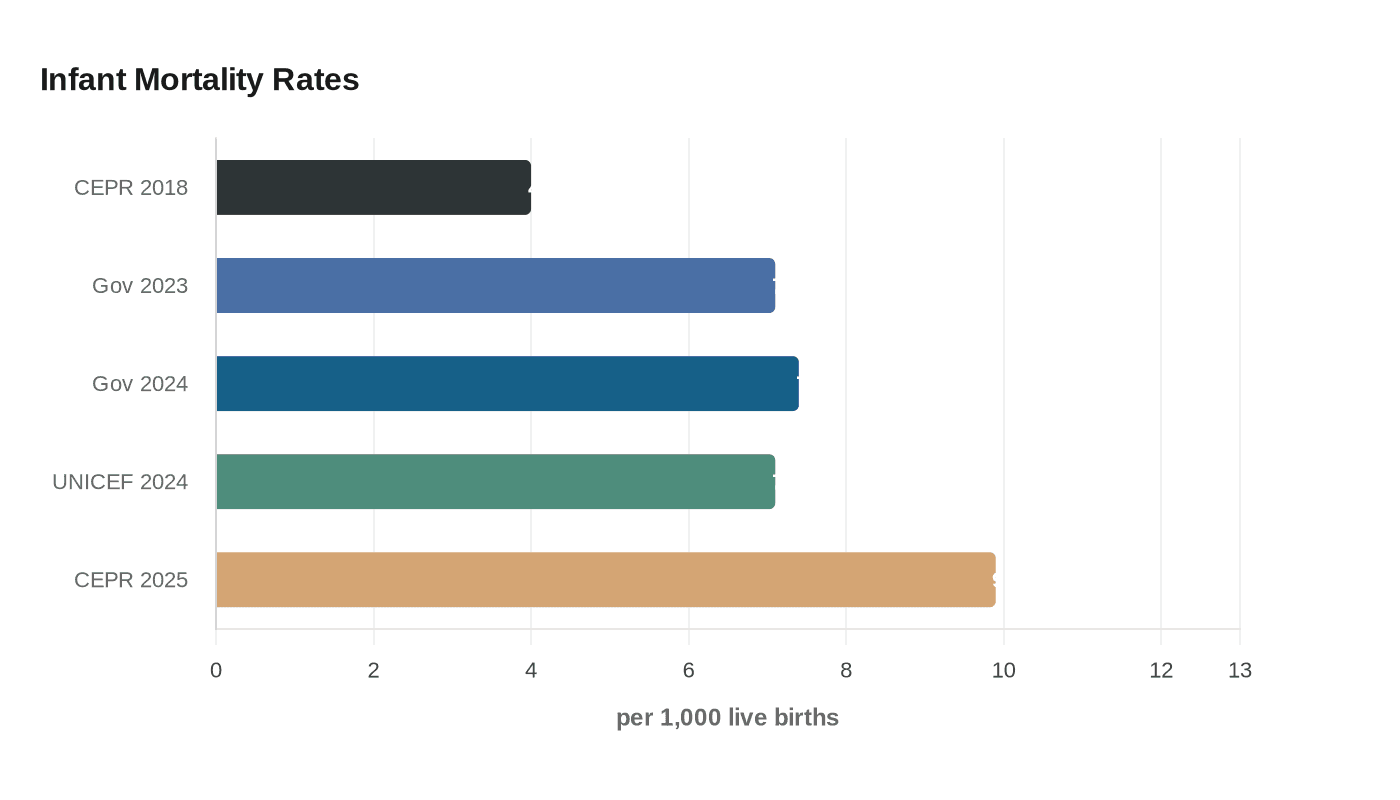
A CEPR-related report pushed the argument further, saying Cuba’s infant mortality rate climbed from 4.0 in 2018 to 9.9 in 2025, a 148% increase, and estimating that about 1,800 fewer babies would have died since 2018 if the 2018 rate had held. That gives Clarke’s intervention real weight in the public debate, but its policy reach is still limited unless Trump or Rubio changes course. For now, the caucus has made the case that sanctions are no longer just a pressure tool on Havana. They are part of the crisis itself.
Know something we missed? Have a correction or additional information?
Submit a Tip