Crowley settles Cuba property lawsuit tied to Port of Mariel
Crowley quietly settled a Port of Mariel property claim, adding to a growing list of Cuba business disputes that now look like a routine shipping cost.
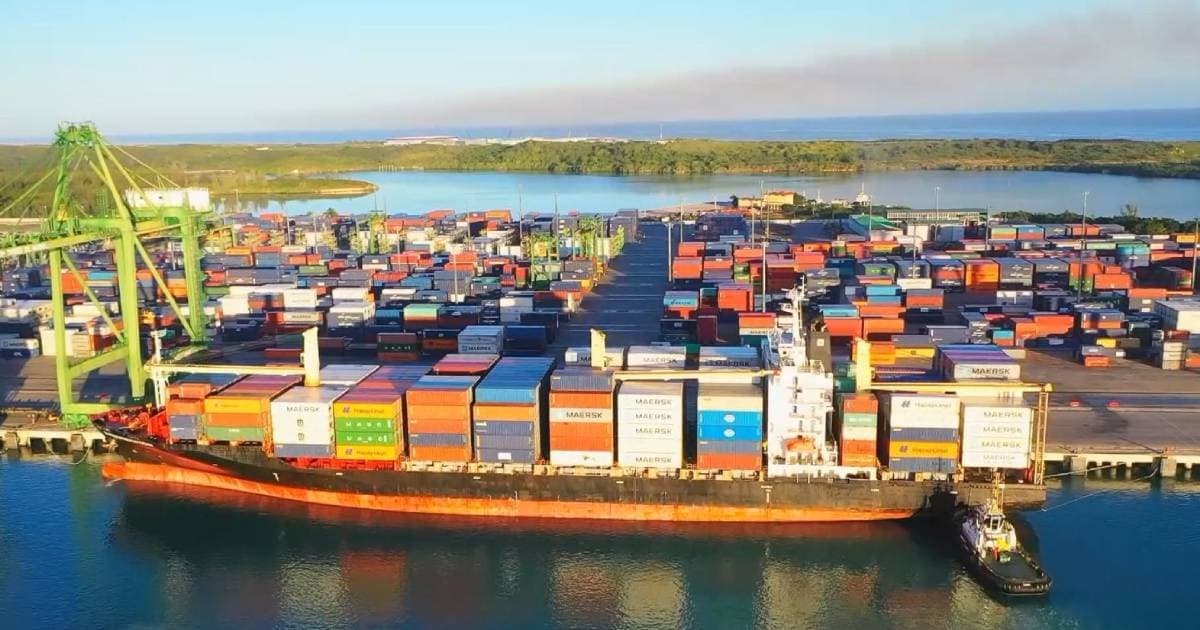
Crowley Maritime has closed out a Port of Mariel property fight that hung over its Cuba business for years, and the settlement lands in a shipping market where Helms-Burton exposure is becoming part of the price of doing business.
The case, De Fernandez v. Crowley Maritime Corporation, was brought by Odette Blanco de Fernandez, née Blanco Rosell, under Title III of the Helms-Burton Act. She said Crowley trafficked in property her family lost when it was confiscated in September 1960, with the dispute centered on cargo activity tied to the Port of Mariel, west of Havana. Crowley and related entities named in the docket included Crowley Holdings, Crowley Liner Services, Crowley Latin America Services, and Crowley Logistics.

Court filings show the parties told Judge Darrin P. Gayles on February 5, 2026, that they had reached a settlement in principle after mediation with retired Judge Michael Hanzman. The case was then confidentially settled and, on April 28, 2026, dismissed with prejudice, meaning the claims cannot be refiled in that court. The settlement terms were not disclosed.
The outcome matters because Crowley is not just any defendant. The Jacksonville, Florida-based company says on its Cuba Express page that it has served Cuba for 22 years and now runs four sailings a month to Mariel. Earlier trade-industry material described Crowley as the first U.S. carrier to re-enter Cuba in nearly 40 years when it launched service in December 2001, and said it maintained at least three regular sailings each month to the Port of Mariel.
That steady service sits inside a legal framework that still leaves shipping firms exposed to old claims and changing policy. The Office of Foreign Assets Control says a general license authorizes vessel or aircraft carrier services to, from, or within Cuba in connection with authorized travel, without a specific license. The State Department says the United States maintains a comprehensive economic embargo on Cuba, dating to the Kennedy-era February 1962 proclamation.
Crowley’s settlement also fits a broader pattern. Recent Helms-Burton resolutions have involved American Airlines and Iberostar, while Delta still faces a separate case tied to Havana’s airport. The private right of action under Helms-Burton has been active since 2019, and the latest round of settlements suggests that companies with Cuba operations are increasingly treating these claims as a recurring risk, not an outlier.
Mariel remains the fault line. As more lawsuits test who benefited from confiscated Cuban property, each settlement makes the next one look less like a surprise and more like an operating cost for anyone moving cargo through the island’s ports.
This article was produced by Prism’s automated news system from verified source data, official records, and press releases, then run through automated quality and moderation checks before publishing. The system is built and supervised by the people who set the standards it runs under. Read our full AI policy.
Did this article answer your question?