Cuba’s broken trains and buses push travelers into informal fares
In Camagüey, the bus terminal’s closed doors and floating fares turned a simple trip to Holguín into a lesson in Cuba’s transport collapse.
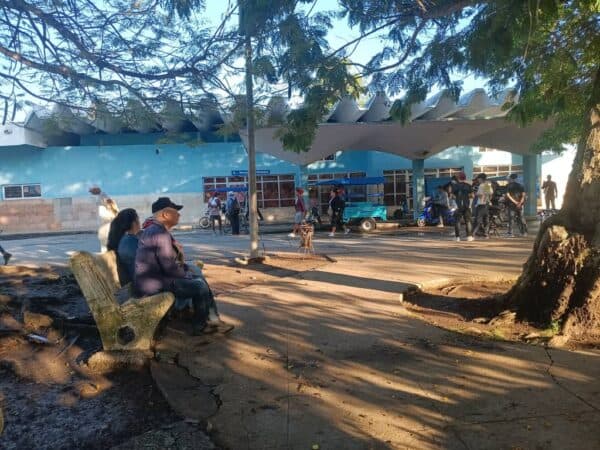
By the time the traveler reached Camagüey after a train journey, the return trip home had already turned into a gamble. The waiting room at the bus terminal was not operating, the doors were closed, and outside, the usual informal network of agents and drivers was already trying to pair passengers with private cars or buses for a commission.
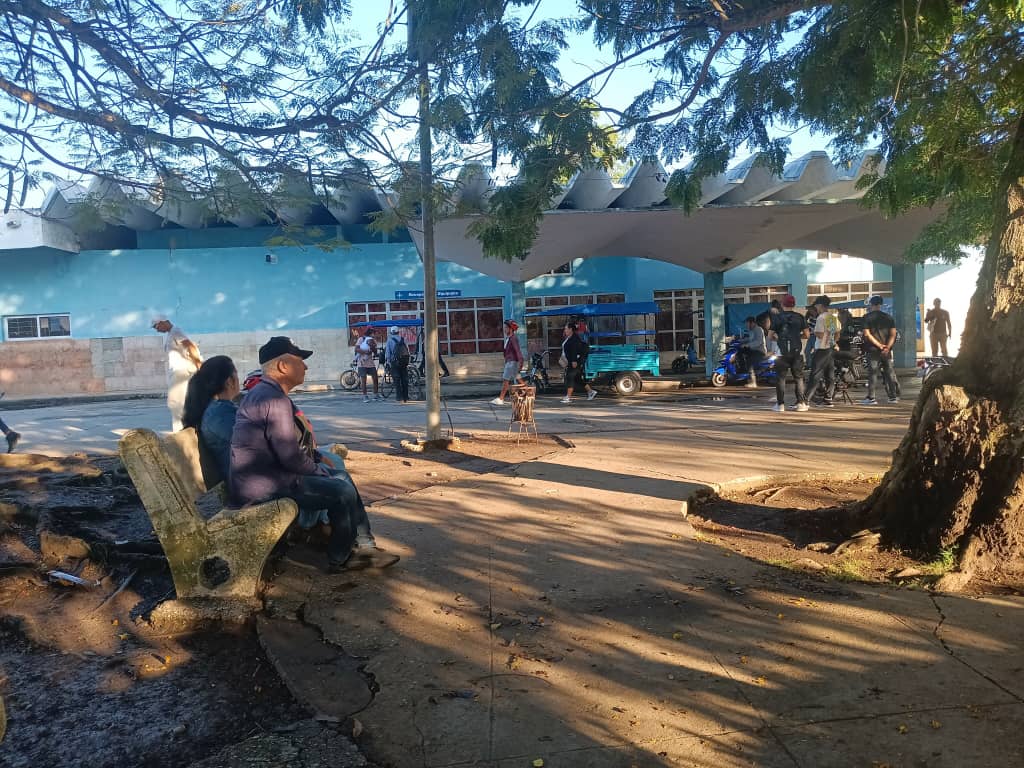
That improvised market set the price of moving across the island. One route was offered at 20,000 pesos, then dropped to 15,000 pesos when hesitation became obvious. In the little park near the terminal, passengers sat and waited, watching small buses that were less crowded than usual but still too full for comfort. A woman even asked the traveler to watch her bicycle for a moment while she went inside, another small sign that a transport opportunity could appear at any second and vanish just as fast.
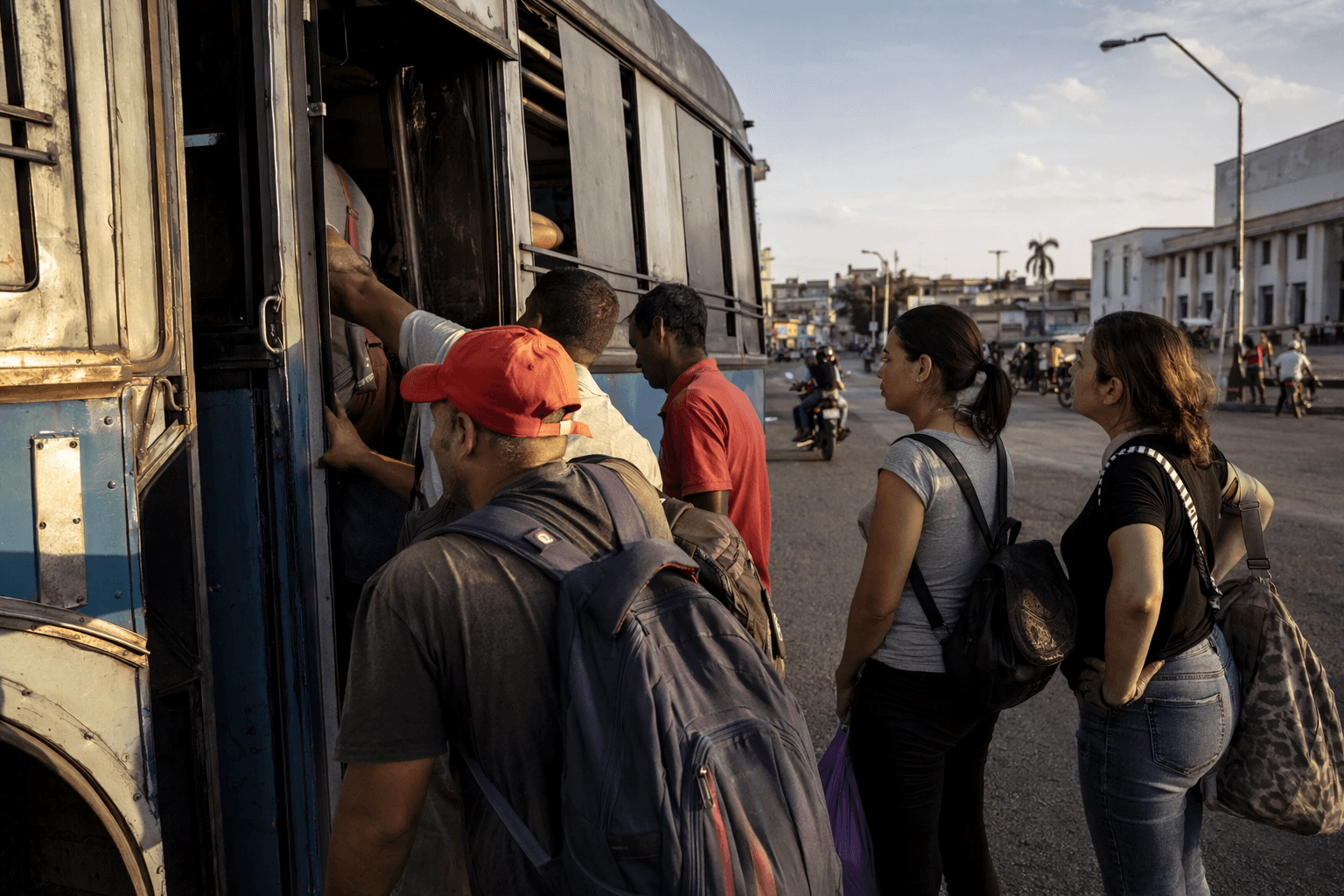
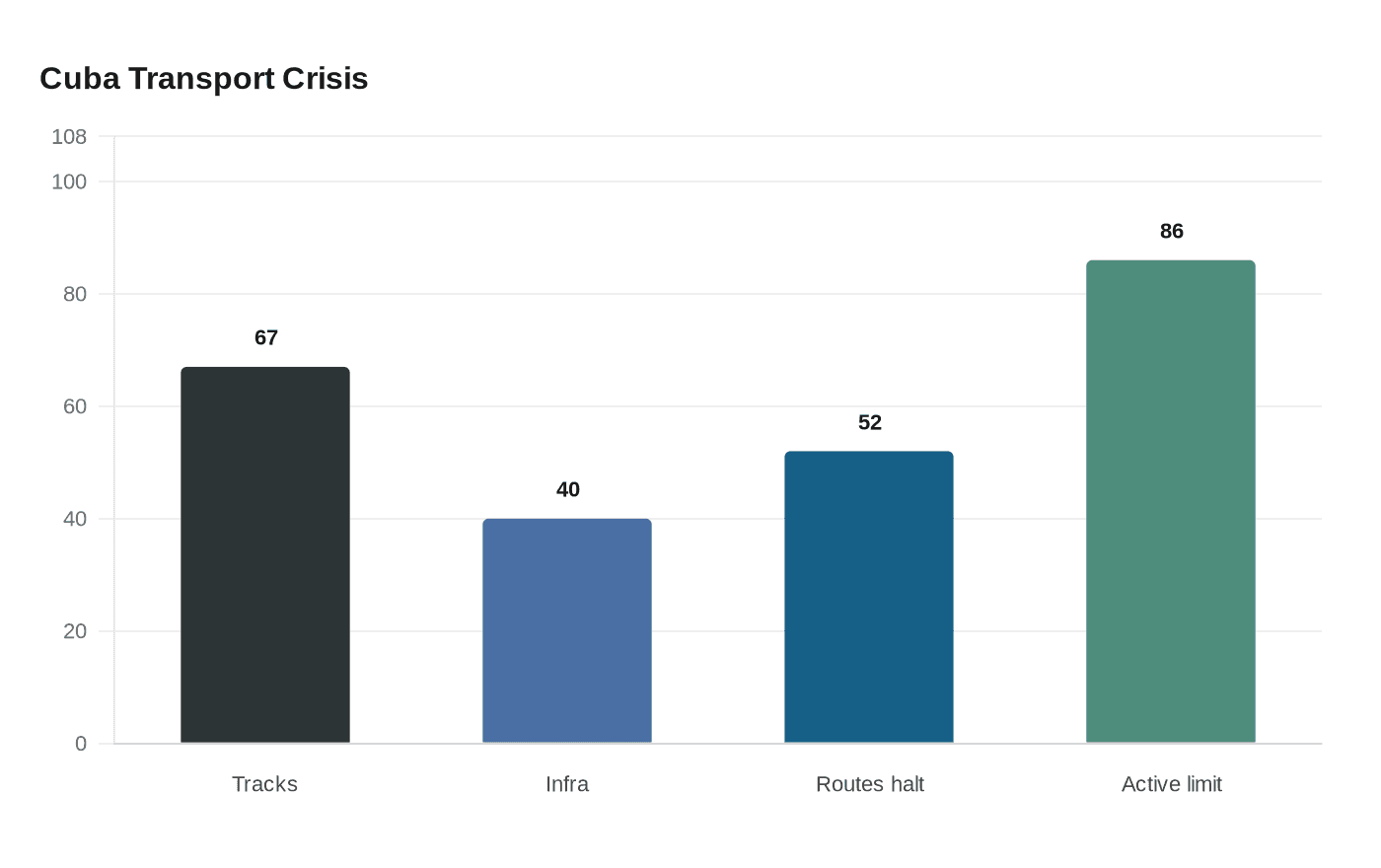
The train ride behind that scene was part of the same collapse. In March 2024, Cuban railway officials said 67% of tracks and 40% of rail infrastructure needed maintenance. They put the sector’s needs at about 900 million pesos a year, plus $25 million in foreign currency for materials, supplies and parts. Concrete tie production had also fallen sharply, from 61,600 in 2019 to 7,200 in 2023, leaving the rail system more fragile and more likely to strand passengers days late.
The road system was no better. In July 2024, Eduardo Rodríguez Dávila, Cuba’s transport minister, said 52% of provincial transport routes were halted and 86% of the active routes were running only one trip in the morning and one in the afternoon. He singled out Camagüey and Holguín among the provinces facing especially severe problems. Cuban officials have said technical deterioration and fuel shortages were driving the crisis, while Miguel Díaz-Canel has described the sector as being in the worst moments of recent years.
The price shock has widened the damage. AP reported in January 2024 that interprovincial bus and train fares rose 180% starting in March. A separate AP report in 2022 noted that many buses, trucks, cars and tractors in Cuba were aging and short of parts because much of the fleet came from Soviet bloc and Russian suppliers. That is why a trip from Camagüey to Holguín now looks less like routine travel than a test of cash, patience and improvisation, with every closed terminal and every shouted fare marking the distance between one city and the next.
This article was produced by Prism’s automated news system from verified source data, official records, and press releases, then run through automated quality and moderation checks before publishing. The system is built and supervised by the people who set the standards it runs under. Read our full AI policy.
Did this article answer your question?