Cuban diary revisits Angola war, and the cost of sacrifice
A father’s minefield death in Angola becomes a family reckoning, exposing how Cuba’s heroic war story frays against private grief.
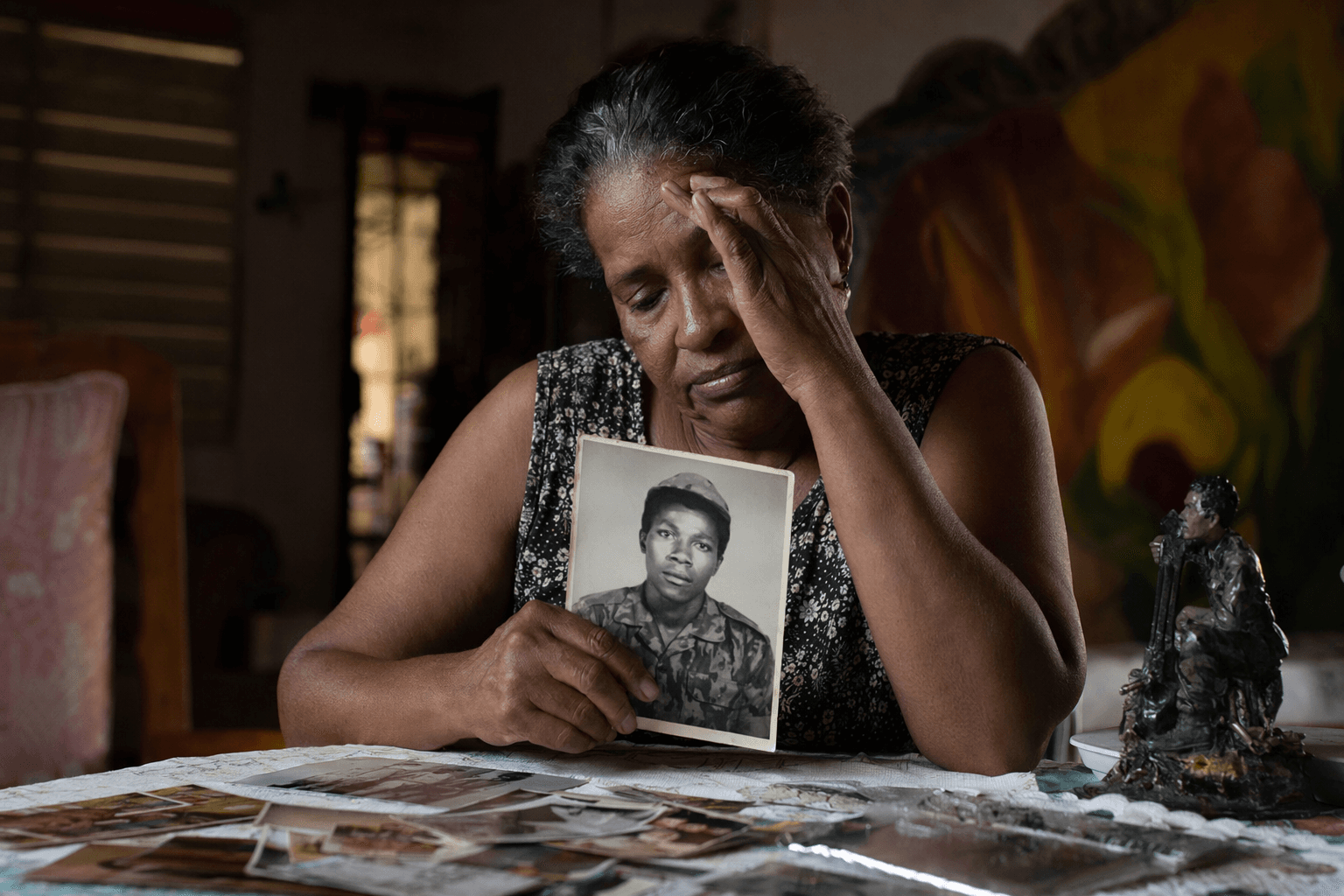
A father remembered by what the uniform hid
Manuel dies young in the Angolan savanna, stepping on a mine as the sun drops behind the huge branches of a baobab tree. That opening image does more than set a scene. It turns sacrifice into something intimate and unbearable, because the man at the center of it is not presented as a triumphant soldier but as a father whose life was swallowed by the very mission that promised dignity.
The diary’s force comes from the gap between what Manuel was taught to believe and what he learned at the edge of death. He went to war carrying the official Cuban story of solidarity and internationalism, the language that framed Angola as a righteous cause. In his final moments, though, that certainty has already begun to collapse, and the story becomes less about battlefield glory than about the human cost of being asked to die for a myth.
What Cuba said it was doing in Angola
Cuba’s intervention in Angola, known as Operation Carlota, began on November 5, 1975, and became one of the largest overseas military commitments in Cuban history. The mission was presented at home as internationalist support for the MPLA, the People’s Movement for the Liberation of Angola, and retrospective accounts place it inside the broader Angolan Civil War and the South African Border War. The official language was steady and moral; the reality was a long conflict shaped by Cold War pressure, African decolonization, and armed struggle among the MPLA, UNITA, and FNLA.
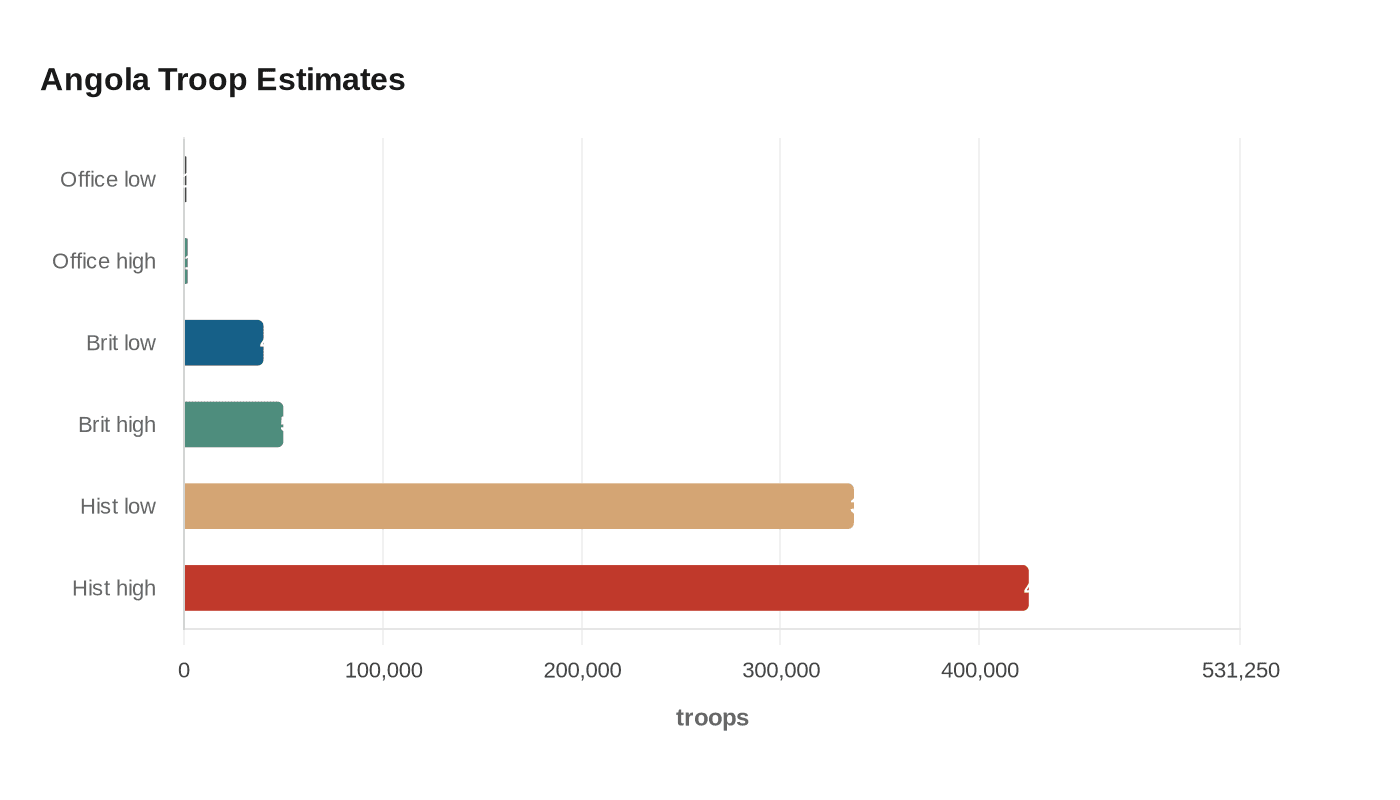
The scale of that commitment still jolts. Encyclopaedia Britannica describes the Cuban expeditionary force in Angola as eventually reaching about 40,000 to 50,000 soldiers, while other historical accounts estimate that roughly 337,000 to 425,000 Cubans served there over the course of the intervention. An Office of the Historian document from October 1975 already estimated between 1,200 and 1,900 Cuban military personnel in Angola, with most introduced in late September and early October that year. By the time the mission ended in 1991, Angola had become less a foreign campaign than a long-running chapter in Cuba’s own social memory.
The private grief that did not fit the slogan
What the diary captures so sharply is how that official story settled differently inside Cuban families. State memory could describe bravery, anti-imperialism, and solidarity, but grief came home with no such clean vocabulary. A father lost to a mine in a foreign savanna does not become easier to mourn because the war was wrapped in heroic language; if anything, the language can deepen the wound when it cannot explain why a son or daughter must grow up with absence.
That tension is at the center of the piece’s generational reckoning. For many Cuban families, Angola is not just a historical episode, it is a living inheritance of loss, pride, and contradiction. Children inherit stories about duty and sacrifice, but they also inherit silence, doubt, and the sense that patriotic mythology does not fully account for the dead they were left to carry.
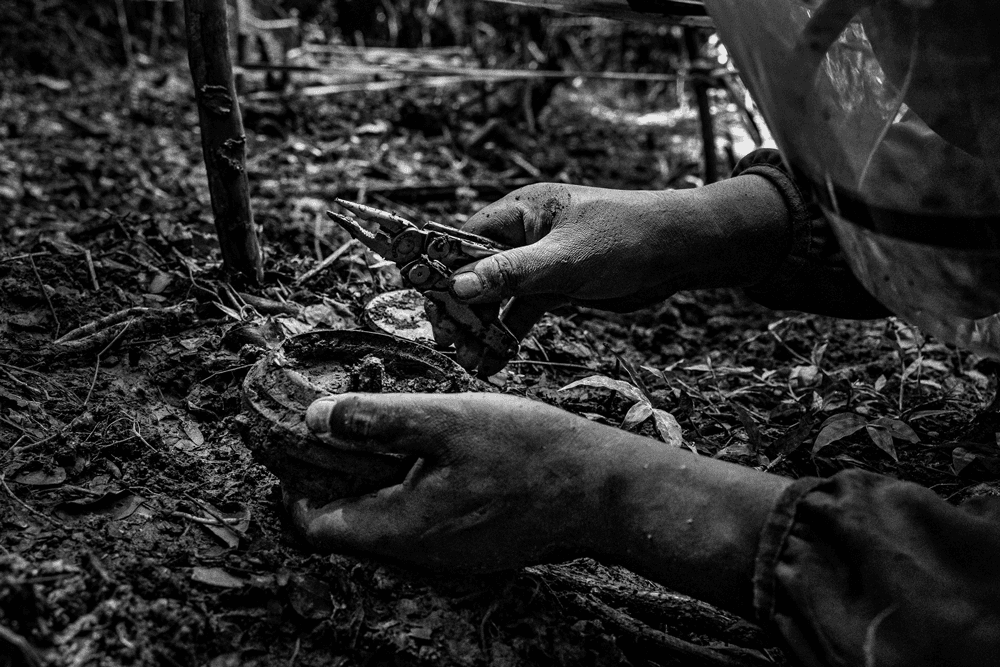
The minefield matters here because it exposes the war’s less visible violence. The savanna was not only a battleground between armies, but a dangerous landscape where mines, disease, and accidents could kill as decisively as combat. That reality complicates any neat account of heroic sacrifice, because it places the father’s death inside a war that took lives in ways official ceremony could never fully honor.
Why Angola still appears in Cuban cultural memory
The diary also shows that Angola has not disappeared from Cuban life. A later performance about the young men who died in Angola helped the narrator understand why wearing a uniform felt dishonest to him, a detail that gives the piece its sharpest generational edge. Memory does not stay locked in archives or state anniversaries. It reappears in theater, in family talk, in the uneasy recognition that an older revolutionary language no longer settles every question it once did.
That is why the title matters so much. The father is defined not by a uniform, but by what that uniform cost him and what it concealed. The story refuses to let military service stand as its own explanation, and instead asks what happens when a nation’s heroic self-image collides with the private knowledge carried by the people who paid for it.
A legacy that is still being argued over
The larger history makes that family conflict easier to understand, not easier to resolve. Cuba poured troops into Angola to defend the MPLA, helped push the internationally isolated South Africans out of the country, and gained control of all the provincial capitals, according to retrospective historical summaries. Yet the same intervention is also read as a costly proxy war, one in which Cuban families bore the emotional and physical burden long after the political slogans lost their force.
That is the enduring power of this diary. It does not just revisit Angola as a war; it revisits Angola as a Cuban inheritance still being sorted through by sons and daughters who grew up in the shadow of sacrifice. Under the baobab, in the mine-infested savanna, the father’s death becomes the point where official memory stops being enough, and the true cost of the uniform finally comes into view.
This article was produced by Prism’s automated news system from verified source data, official records, and press releases, then run through automated quality and moderation checks before publishing. The system is built and supervised by the people who set the standards it runs under. Read our full AI policy.
Did this article answer your question?