FitCuba 2026 opens virtually as Cuba markets more than beaches
FitCuba 2026 went live with more than 900 registrations and a public day in Varadero, even as Cuba’s visitor counts kept sliding.
FitCuba 2026 opened with laptop screens and virtual business meetings, a blunt reminder that Cuba is trying to sell more than Varadero’s sand while its tourism machinery is still under strain.
The 44th edition of the island’s flagship tourism fair ran May 7-9, with May 7 and 8 reserved for virtual business sessions and May 9 set aside for the public at Parque Josone in Varadero. More than 900 people had registered on the fair’s website, and Cuba accounted for more than 400 participants and exhibitors, the largest national contingent among the attendees. Foreign interest came from Colombia, Argentina, Germany, Canada and Spain, underscoring that the island still wants FITCuba to function as a trade floor, not just a publicity event.

The official pitch was broader than the old beach package. Organizers said the fair was meant to connect tourism professionals, tour operators, airlines, hotel chains, travel agencies and specialized media while showcasing Cuba’s natural, heritage, cultural, historical and culinary attractions. Cuban tourism coverage also framed the event as a platform for music, gastronomy, tobacco, nature and nightlife, with product presentations for Varadero, Viñales and Havana.

That diversification push matters because the numbers around Cuba’s tourism slump are hard to ignore. ONEI reported 184,833 international visitors in January 2026, down 5.9% from a year earlier. By the end of February, arrivals for the first two months of the year had reached 262,496, a drop of 112,642 from the same period in 2025. Cuba closed 2025 with 1,810,663 international visitors, down from 2,203,117 in 2024. Reuters also reported that February arrivals plunged 56% year on year amid power and fuel shortages, the kind of operating problems that have made every tourism showcase feel like a stress test.
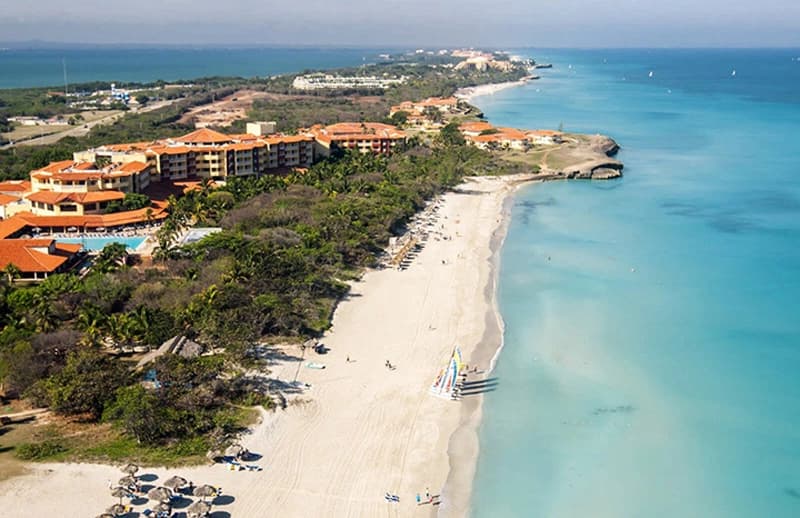
Varadero remained the centerpiece of the fair for a reason. Cuban tourism outlets describe it as Cuba’s largest sun-and-beach destination, with about 20 kilometers of beaches, the Hicacos Peninsula, 57 hotels and 23,106 rooms. In some recent reporting, it has also been credited with drawing about 39% of Cuba’s international tourists. That is why the ministerial message around FitCuba has been so careful: in May 2025, Tourism Minister Juan Carlos García Granda said Canada would be the guest country of honor for the 2026 edition, and the official line has been that Varadero can stand for more than just sun and sand.
The fair’s virtual-first format made that argument even sharper. Cuba used FITCuba to project a modern, adaptable tourism industry, but the real test is whether hotels, airlines and service providers can back up the pitch once the screens go dark and the visitors arrive in person.
This article was produced by Prism’s automated news system from verified source data, official records, and press releases, then run through automated quality and moderation checks before publishing. The system is built and supervised by the people who set the standards it runs under. Read our full AI policy.
Did this article answer your question?