Cuba announces lung cancer vaccine breakthrough amid severe shortages
Cuba’s VAXIRA drew a national prize after follow-up on more than 1,300 lung-cancer patients, even as blackouts and medicine shortages kept hospitals under strain.
Cuba has put a lung-cancer vaccine back in the spotlight just as its hospitals are struggling to keep the lights on. The Center for Molecular Immunology’s VAXIRA, also known as racotumomab, won Cuba’s National Technological Innovation Award 2025, a high-profile nod to a treatment the government says has shown unusually strong survival results in advanced lung cancer.
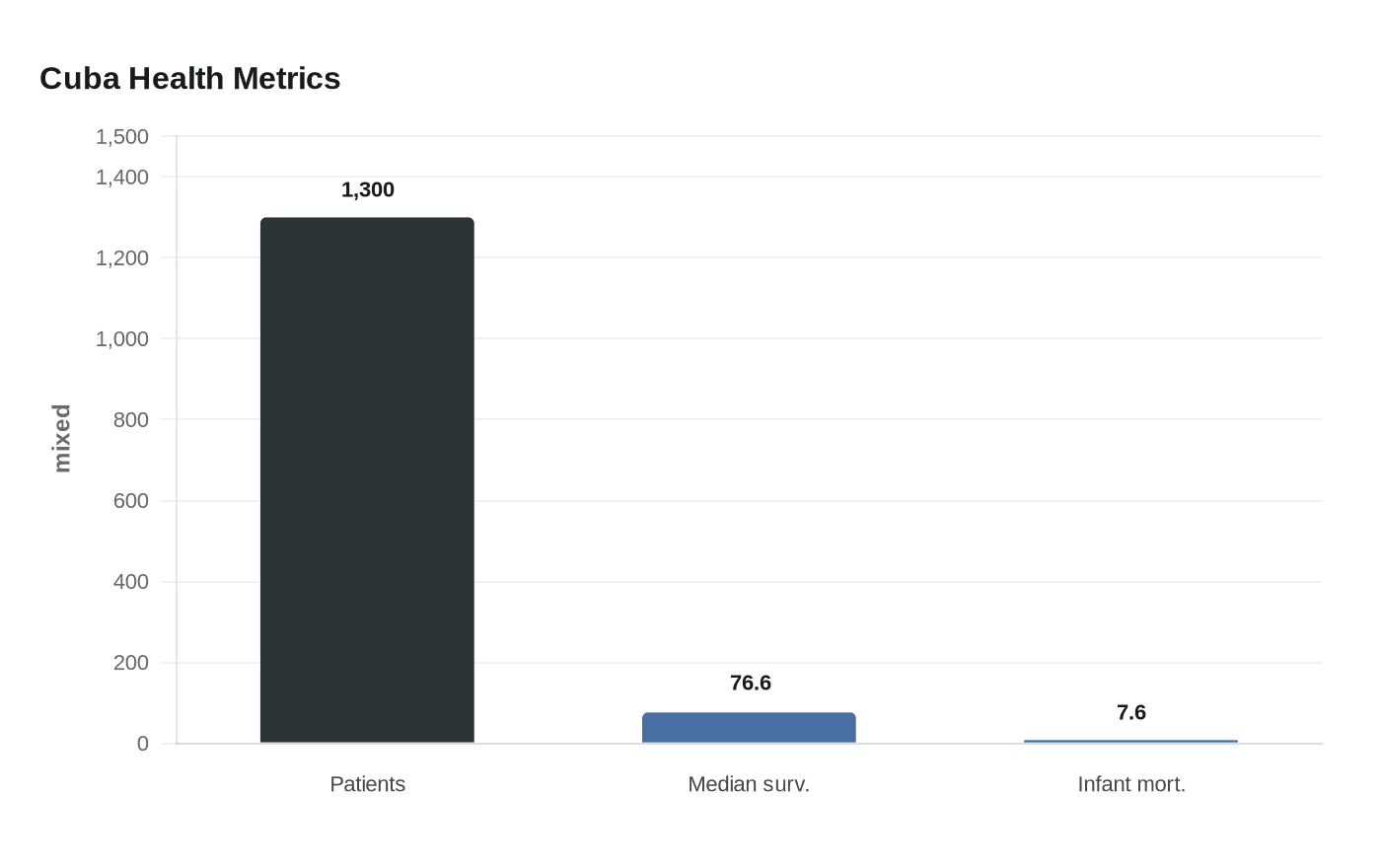
Official Cuban reporting says VAXIRA is an anti-idiotypic therapeutic vaccine used in switch-maintenance treatment after initial therapy has stabilized the disease. Its follow-up data ran from 2013 to 2023 and covered more than 1,300 patients. In that group, Cuban officials say the median survival reached 76.6 months and about 20 percent of recipients showed unexpected long-term survival, figures that help explain why the vaccine has been treated as more than another item in the biotech catalog.
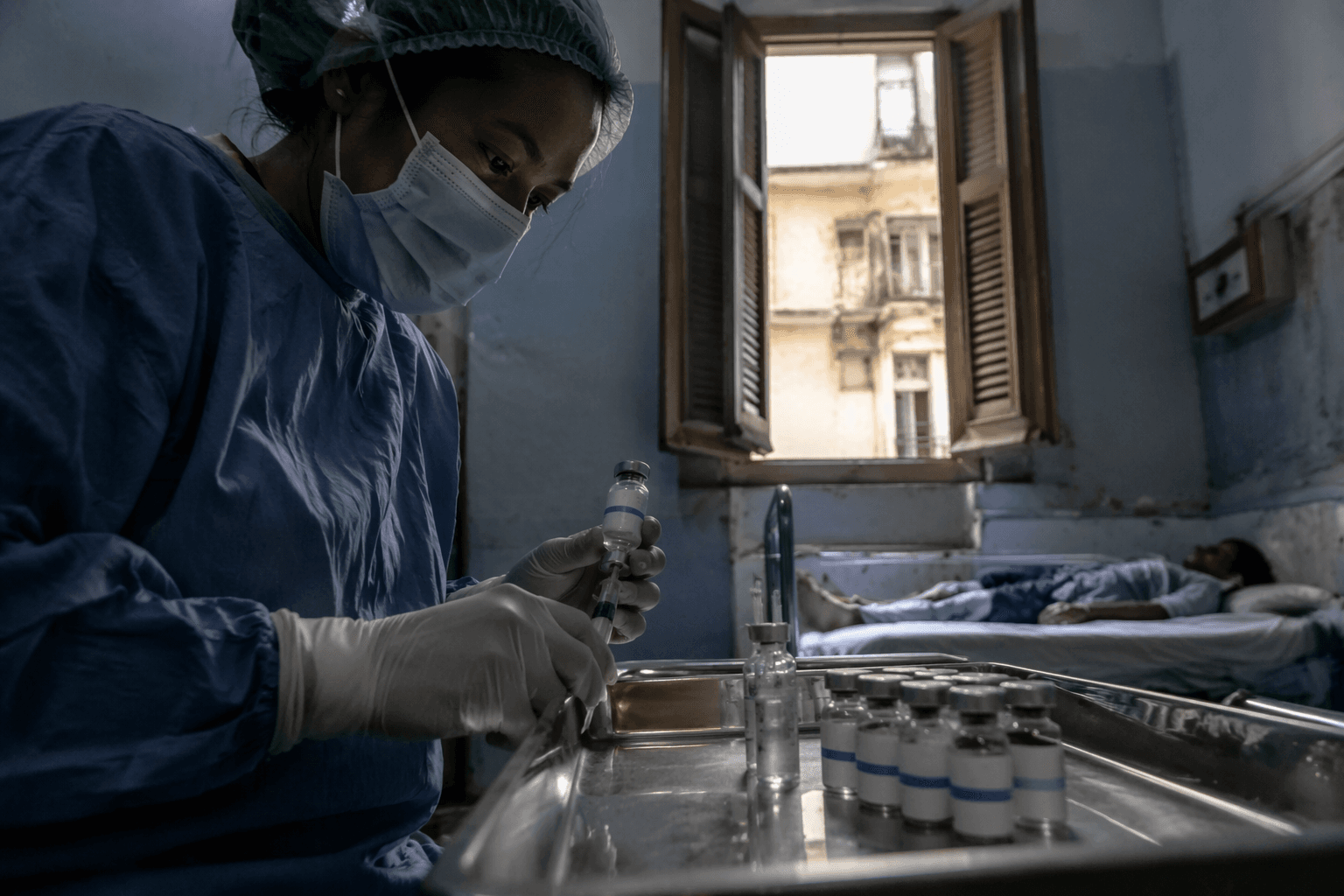
The prize also fits a larger Cuban pattern. VAXIRA is Cuba’s second lung-cancer vaccine, following CIMAvax, the 2011 treatment developed in Havana and often described as the world’s only approved lung-cancer vaccine. Cuban health officials have said CIMAvax can be administered in primary care settings rather than only in hospitals, which matters in a country where access is already uneven and routine care is under pressure. Roswell Park Comprehensive Cancer Center launched U.S. clinical trials of CIMAvax in 2017, and a 2022 paper in Frontiers in Oncology reported a phase I trial combining CIMAvax-EGF with nivolumab in advanced non-small cell lung cancer at Roswell Park in Buffalo, New York.
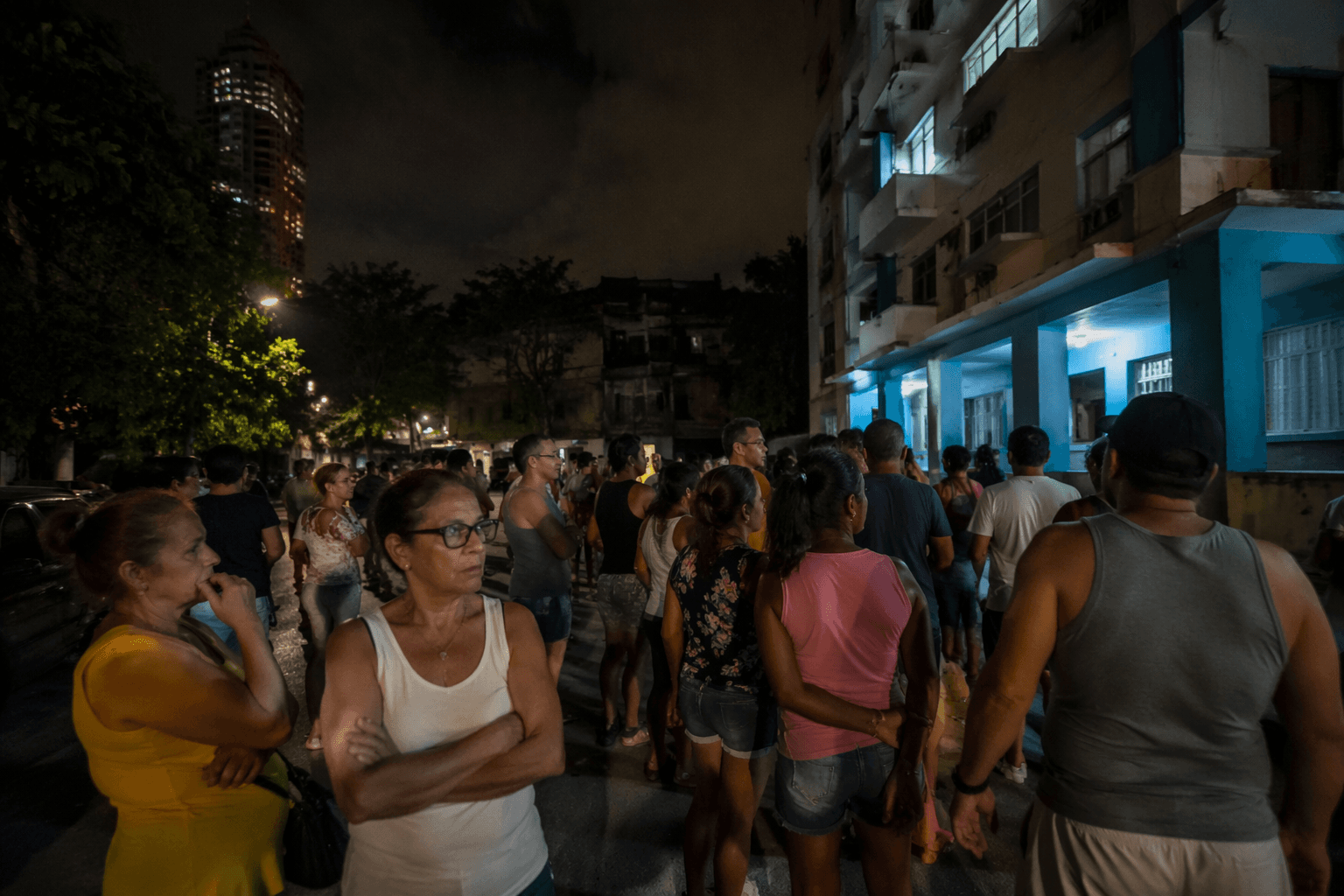
That international footprint makes the Cuban program more than a domestic point of pride. It shows up in the way the island’s biomedical sector still manages to produce globally relevant research, including work with Argentine scientists, even while the broader health system is being squeezed. United Nations officials said in May 2026 that hospitals across Cuba were suspending surgeries and facing severe medicine shortages because of blackouts and fuel shortages, with lifesaving equipment at risk. That is the contradiction at the center of the story: a country can announce a cancer breakthrough and still leave ordinary patients waiting for basics.
The numbers help explain why the achievement carries such political weight. PAHO reported Cuba’s infant mortality rate at 7.6 deaths per 1,000 live births in 2021, a reminder that the island’s health indicators have long been strong relative to the region. But the same system that can produce VAXIRA and CIMAvax is now operating under extreme strain, with shortages touching everything from medicine to spare parts. Cuba’s latest cancer headline is real. So is the gap between scientific prestige and what patients can actually get at the bedside.
This article was produced by Prism’s automated news system from verified source data, official records, and press releases, then run through automated quality and moderation checks before publishing. The system is built and supervised by the people who set the standards it runs under. Read our full AI policy.
Know something we missed? Have a correction or additional information?
Submit a Tip