Cuba blocks activists from attending US Independence Day event in Havana
Cuban State Security used summons, surveillance and detentions to keep activists out of the U.S. Embassy’s July 4 celebration in Havana.

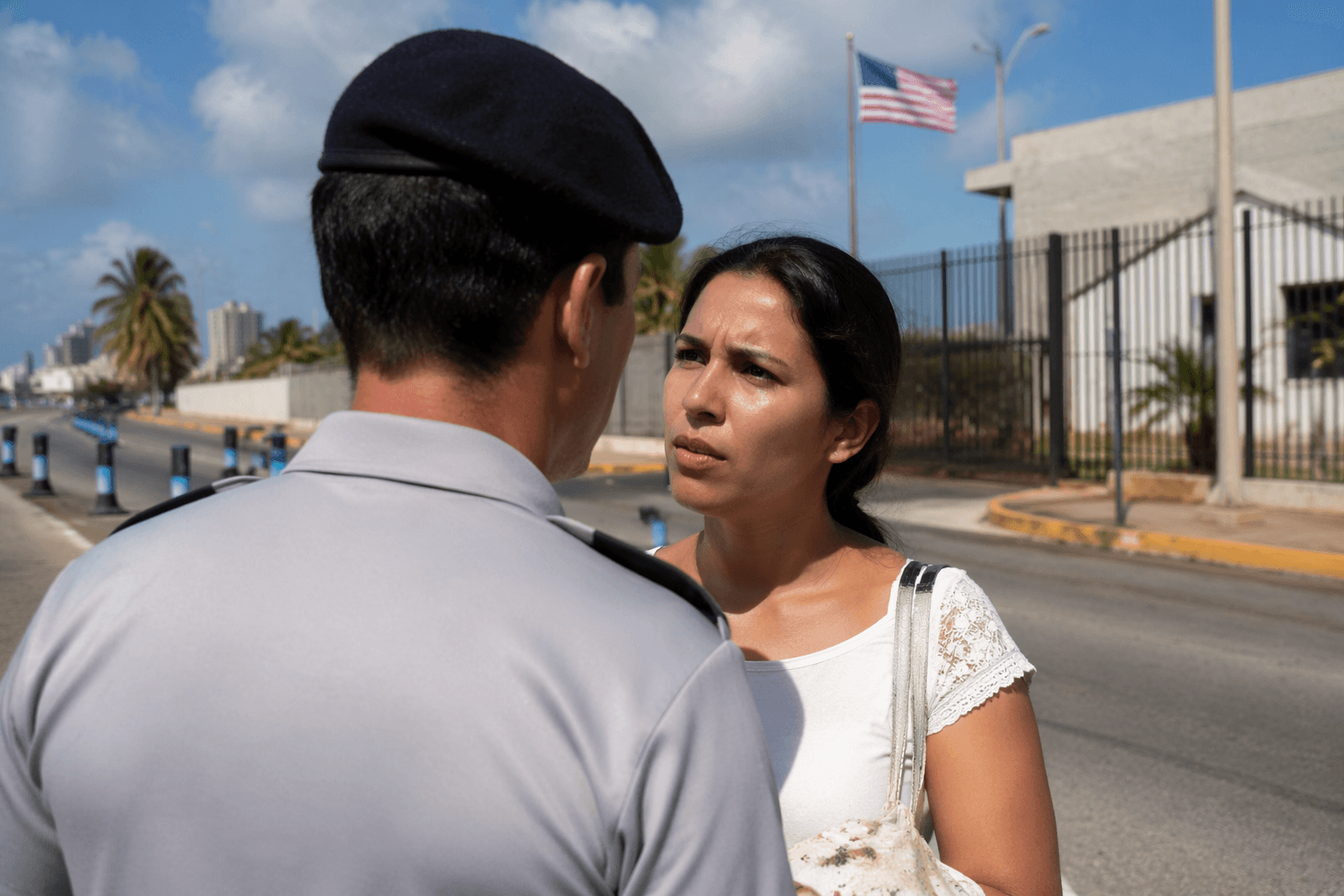
Cuban authorities used summons, threats and surveillance to keep activists, journalists and opponents away from a July 4 reception at the U.S. Embassy in Havana before the event even began. The U.S. Embassy said State Security threatened and prevented Cubans from attending its celebration tied to the #Freedom250 campaign, which marked the 250th anniversary of U.S. independence.
Yoani Sánchez, who heads the independent outlet 14ymedio, said political police were positioned under her apartment building to stop her from leaving home. Other activists said officers in plainclothes were posted outside apartment blocks, visited homes and warned people they would face “severe measures” if they went out. Camila Acosta said the surveillance outside her residence was “stronger than usual.”
The pressure campaign was not limited to warnings. Marthadela Tamayo and Osvaldo Navarro were directly apprehended, while Anna Sofía Benítez was detained for nearly 11 hours at the Alamar police station on July 2, 2026. Rosa Rodríguez was also identified among those targeted as the operation widened across Havana.
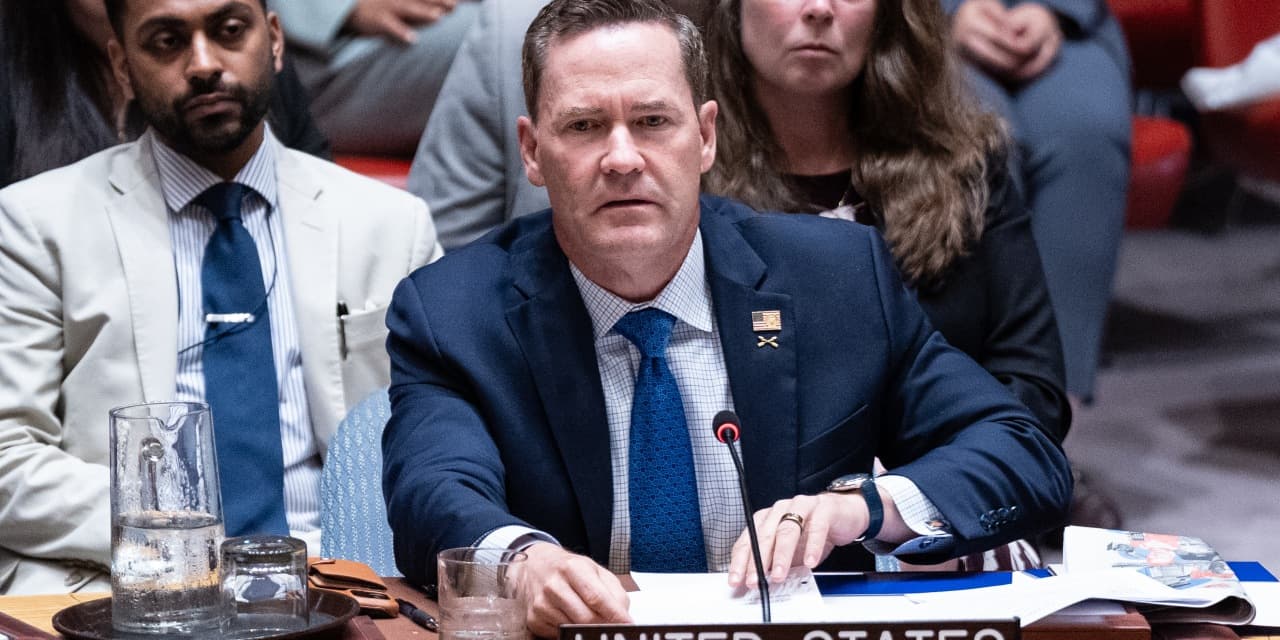
The embassy in Havana, led by chief of mission Mike Hammer, said the interference blocked Cubans from attending a diplomatic event the U.S. had framed as part of its July 4, 2026 independence celebrations. The U.S. Department of State said the country was marking 250 years of independence that day, and the embassy’s mission in Cuba says it exists to advance U.S. interests and serve and protect U.S. citizens in Cuba.
The crackdown followed a familiar pattern. The State Department’s 2024 Cuba human-rights report says the Cuban government frequently detains activists without informing them of charges and often denies them contact with relatives, while restricting journalists and civil society. The U.S. Embassy Havana posted a security alert on July 6, as the effort to seal off the reception showed how quickly the state can turn summons, surveillance and short-term detentions into a quiet but effective blockade.
This article was produced by Prism’s automated news system from verified source data, official records, and press releases, then run through automated quality and moderation checks before publishing. The system is built and supervised by the people who set the standards it runs under. Read our full AI policy.
Did this article answer your question?