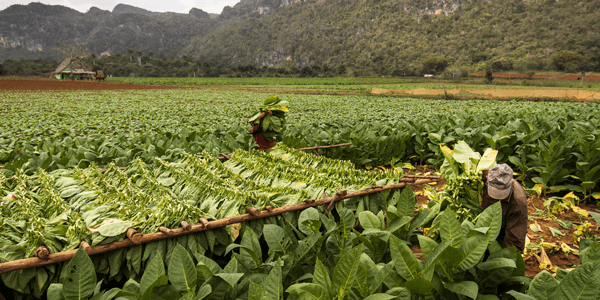
Cuba’s crisis deepens as blackouts, shortages and frustration mount
Cuba hit its fifth nationwide blackout of 2026 as fuel ran low and tourists thinned, deepening the strain on daily life.
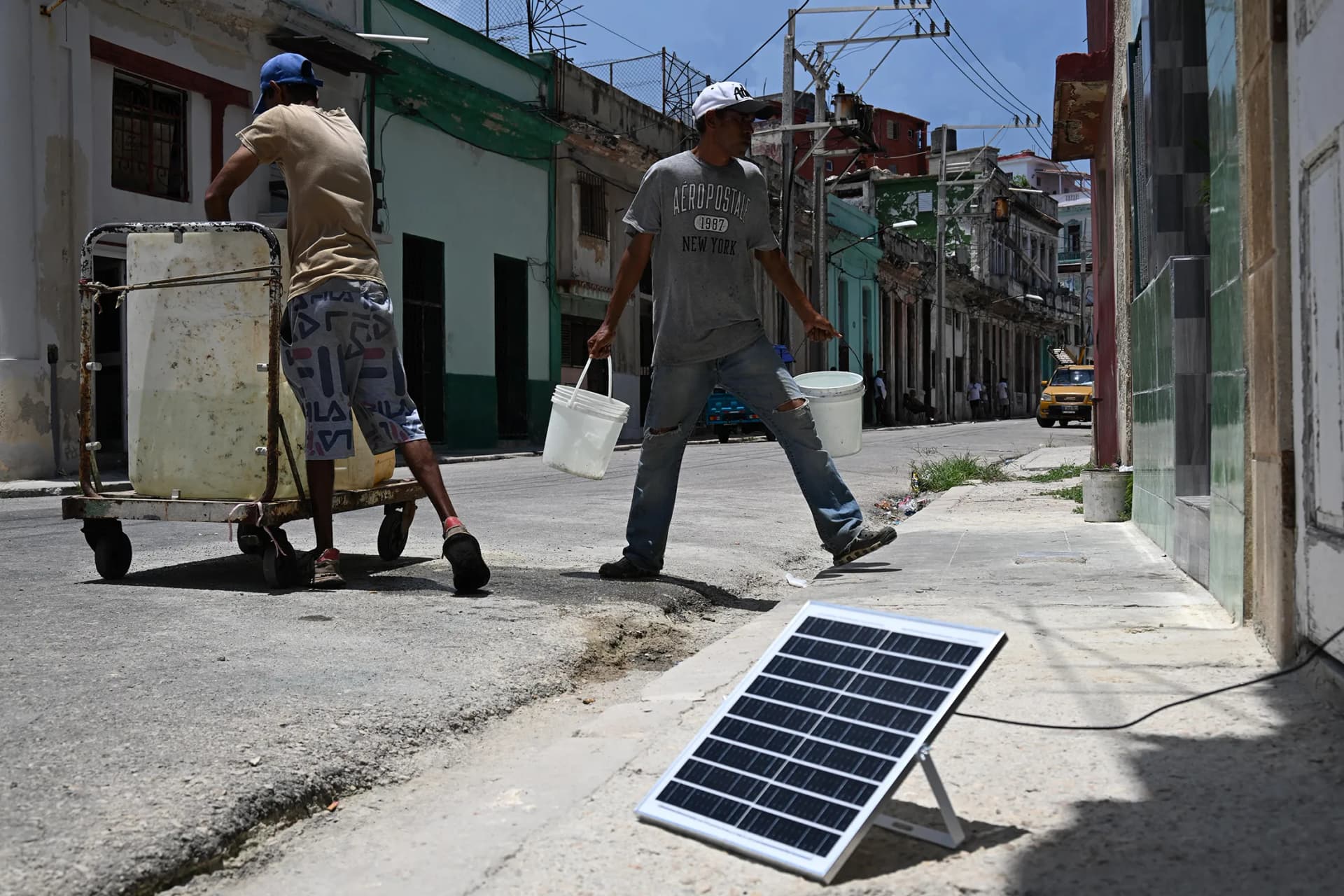
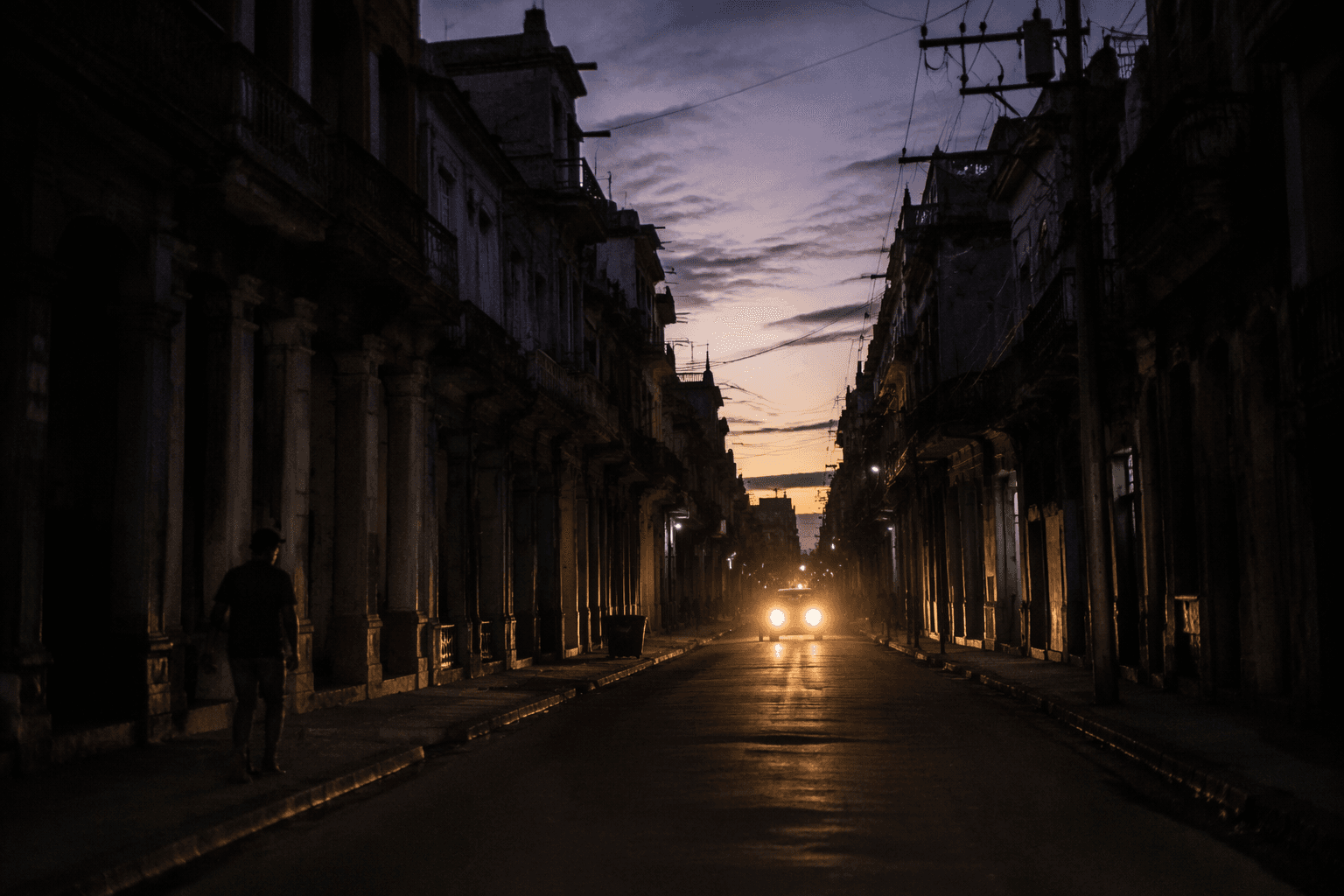
By July 14, Cuba had suffered its fifth nationwide blackout of 2026, and its third in 10 days, after the national grid collapsed on July 6 and failed again on July 10. The repeated outages have turned electricity into the clearest daily marker of a crisis that no longer feels episodic.
That is the backdrop to Lucia Newman’s latest return to the island. Al Jazeera’s Latin America editor has covered Cuba for decades and lived there from 1997 to 2006, which gives her reporting a longer memory than most dispatches. The picture she drew was not of a single bad week, but of worsening shortages, economic decline and a rising sense of frustration among residents trying to get through ordinary days.
Fuel has become part of the same breakdown. In May, Al Jazeera said Cuba was nearly out of fuel, and on May 14 President Miguel Díaz-Canel said Havana would accept humanitarian aid as blackouts and shortages deepened. That matters far beyond the power sector. When fuel is scarce, transport becomes unreliable, deliveries slow down and the knock-on effects reach the places people depend on every day.
The tourist economy is also shrinking fast. Reuters said on June 9 that Cuba’s once-bustling tourist sites were increasingly short of foreign visitors, after an April 14 dispatch described top destinations as deserted, without power or fuel, under U.S. sanctions. Earlier, on February 10, EL PAÍS English said fuel shortages were forcing airlines to cut flights and pushing some tourist groups into higher-category hotels because of the energy crisis. For travelers, that means the old assumptions of a Cuba trip no longer hold: schedules slip, services thin out and the usual buffer in the tourism sector keeps disappearing.
Reuters said Cuba’s economy had already been in five-year decline by July 14, 2025, and the pattern in 2026 has only hardened. The crisis now shows up in a simple sequence that Cubans can track without a statistic sheet: blackout, shortage, delay, repeat. Each new grid failure makes the last one feel less like an emergency and more like the new baseline, which is exactly why the latest outage landed with so much force.
This article was produced by Prism’s automated news system from verified source data, official records, and press releases, then run through automated quality and moderation checks before publishing. The system is built and supervised by the people who set the standards it runs under. Read our full AI policy.
Did this article answer your question?