Why Cuba’s best tobacco comes from Pinar del Río’s Vuelta Abajo
When Pinar del Río slips, Cuban cigars tighten up everywhere. Vuelta Abajo’s soil, climate, and handwork decide what you can buy, trust, and pay for.
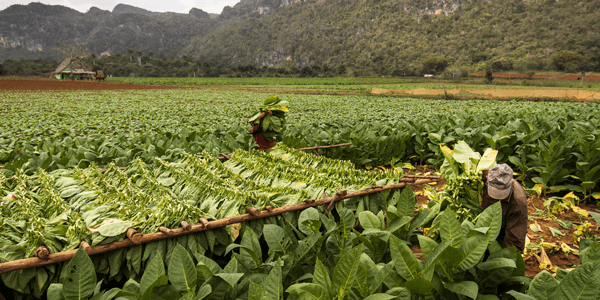
Vuelta Abajo, the best-known growing zone in Pinar del Río, is where Cuba’s premium leaf starts. When the province trims its tobacco target, the whole Cuban cigar market feels it. The bottleneck is real: one region’s weather, labor, and curing problems can ripple all the way to availability, consistency, and price.
Why Vuelta Abajo sets the standard
Tobacco is one of Cuba’s key export crops and is grown mainly in Pinar del Río in the west. Habanos, S.A. calls Vuelta Abajo Cuba’s oldest tobacco-producing region and a protected Denomination of Origin. That D.O.P., or Denominación de Origen Protegida, is the legal and cultural fence around the field where Cuba’s top leaf is supposed to begin.
Vuelta Abajo sits in a landscape cigar producers prize for soil, humidity, and climate, with the Sierra de los Órganos often cited as part of the region’s natural advantage. That mix helps explain why the same country can produce tobacco, but only one small zone is treated like the benchmark. When growers, buyers, and rollers talk about “the good stuff,” they are usually talking about a very specific patch of Pinar del Río.
What actually makes a Cuban cigar Cuban
A cigar is built from parts, not vibes. The three leaf categories that matter most are wrapper, binder, and filler, and each one has a job the smoker can feel in the draw, burn, and finish. Wrapper leaf has to look clean and burn evenly, binder has to hold the structure, and filler drives the body of the cigar. That is why Cuban cigars get discussed in terms of leaf grade and production steps instead of a vague one-word label like strong or mild.
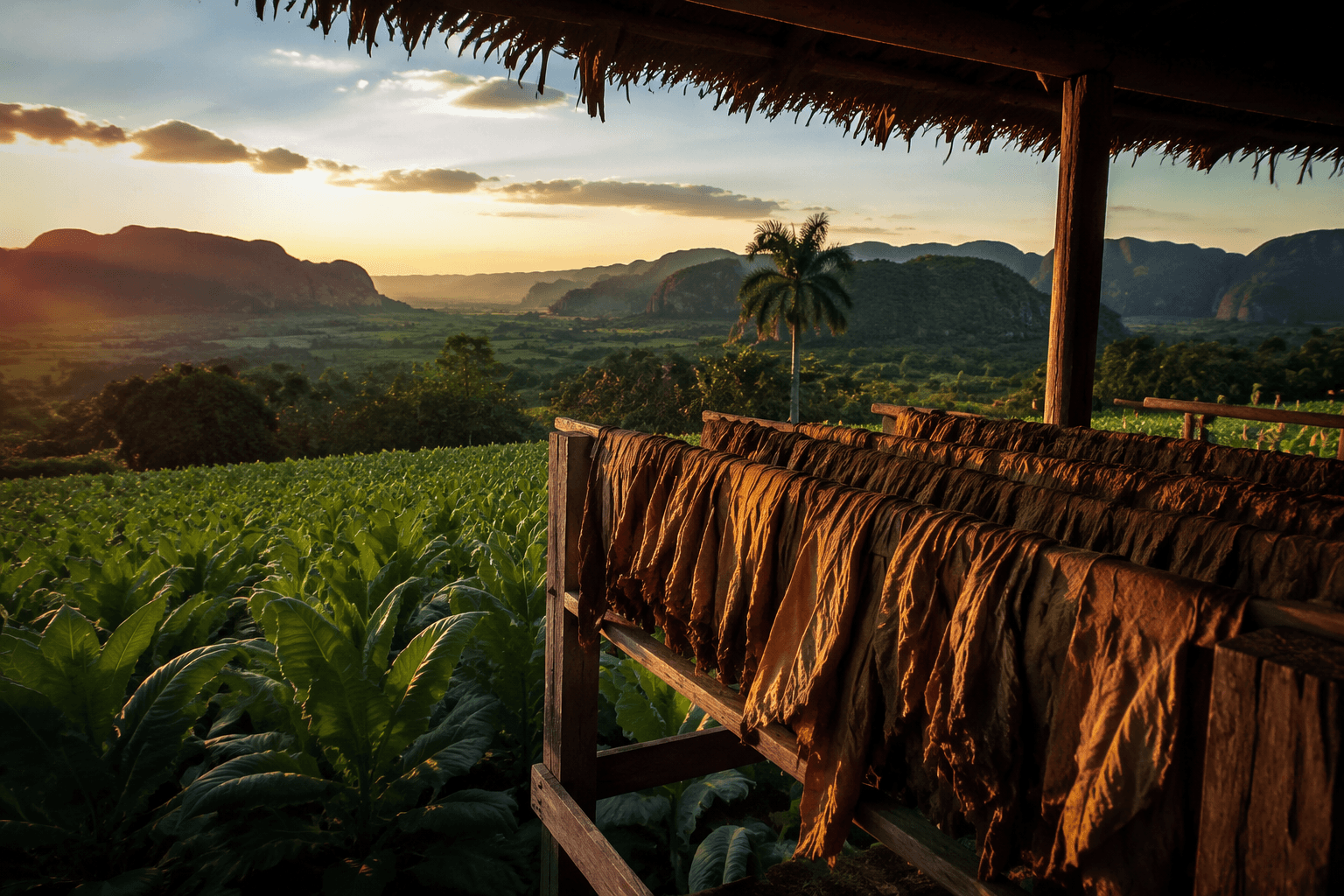
The work starts earlier than most buyers realize. Only selected vegas plantations are judged good enough to grow tobacco for Habanos cigars, so the selection process begins in the field, not at the factory door. From there, the chain gets more fragile: shade-grown leaves, curing barns, fermentation, bunching, rolling, and aging all shape the final cigar. If one step goes off, the result is not just a cosmetic defect. It can change the flavor, the burn, and whether the cigar earns its reputation at all.
Why supply stays tight
In 2019, Cuba’s state-run tobacco company said the country was producing about 260 million hand-rolled cigars per year, a big number until you remember how much of the world wants a piece of the Cuban label. Habanos posted record sales of $827 million in 2024, with China remaining its No. 1 market. That is an industry with enormous demand built on a relatively narrow agricultural base.
In 2017, Habanos’ global revenue had reached around $500 million after a surge in China demand. By 2024, the sales figure had climbed sharply again.
Why weather and infrastructure hit Pinar del Río so hard
On March 18, 2025, the 2024-2025 crop in Pinar del Río was expected to be similar in size to the previous year, but at a lowered target. When targets come down, the market gets tighter, and the gap between everyday production and the top-tier selection grows more expensive.
In February 2024, climate change was affecting tobacco farming in Cuba and the cigar was under severe threat. Big tobacco crop losses in Pinar del Río were also linked to blackouts, a reminder that curing and processing depend on steady infrastructure as much as on good soil. If the barns cannot keep conditions stable, the leaves do not cure the way premium tobacco should, and the whole chain from farm to humidor gets less reliable.
Why the history matters beyond the island
Cuba’s tobacco story predates the modern cigar market. The island’s tobacco heritage reaches back to the Taíno people and to Columbus’s arrival in 1492, a reminder that the plant’s roots on the island long predate the premium branding built around it. The Cuban cigar did not appear as a luxury logo and then become an agricultural tradition. It grew out of a long colonial tobacco economy that was later professionalized by factories and export networks.
That international footprint is part of the reason Cuban-style cigar making spread so far. Vicente Martínez Ybor helped carry that tradition into Tampa, where Ybor City became a center of cigar production. The name still matters because it shows how Cuban leaf, Cuban rolling methods, and Cuban labor culture shaped cigar-making well beyond Pinar del Río.
Why the state still controls the prestige
Habanos, S.A. sits at the center of the premium side of Cuba’s cigar economy, overseeing the state-run cigar industry and holding the rights tied to the top-end sector. That means the most famous Cuban cigars are not just agricultural products, but pieces of state-managed export policy.
In 2024, Cuba reaffirmed its commitment to the UNESCO Intangible Cultural Heritage Convention. Tobacco in Cuba is more than a commodity. The knowledge behind it, from growing and curing to rolling and the social routines around the trade, is treated as cultural inheritance.
This article was produced by Prism’s automated news system from verified source data, official records, and press releases, then run through automated quality and moderation checks before publishing. The system is built and supervised by the people who set the standards it runs under. Read our full AI policy.
Did this article answer your question?