Cuba Budget Guide: Sample Costs, Currency, Tipping and Travel Tips
Practical budgeting and money tips for travel in Cuba, with sample costs, currency advice and contingency planning to help you avoid surprises.
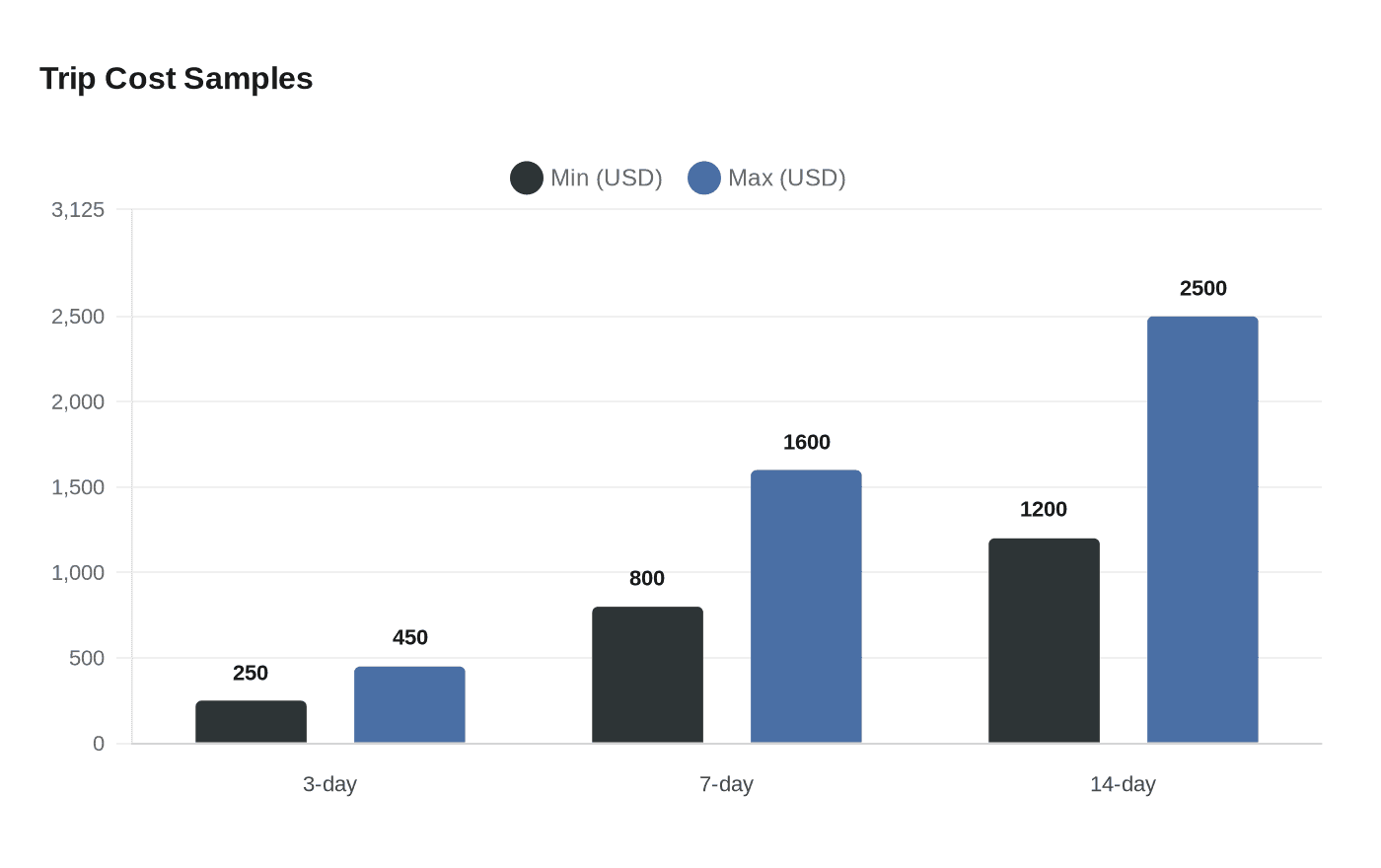
Planning money for a trip to Cuba starts with clear sample budgets and a cash-first strategy. A 3-day city break in Havana can cost US$250–450 per person on a low budget, covering a hostel or private casa, local meals, taxis and museum visits. A 7-day all-inclusive package to Varadero typically runs US$800–1,600 per person including flight and resort. A two-week mixed itinerary that combines Havana, Trinidad and beach time will fall in the US$1,200–2,500 range depending on comfort level and excursions.
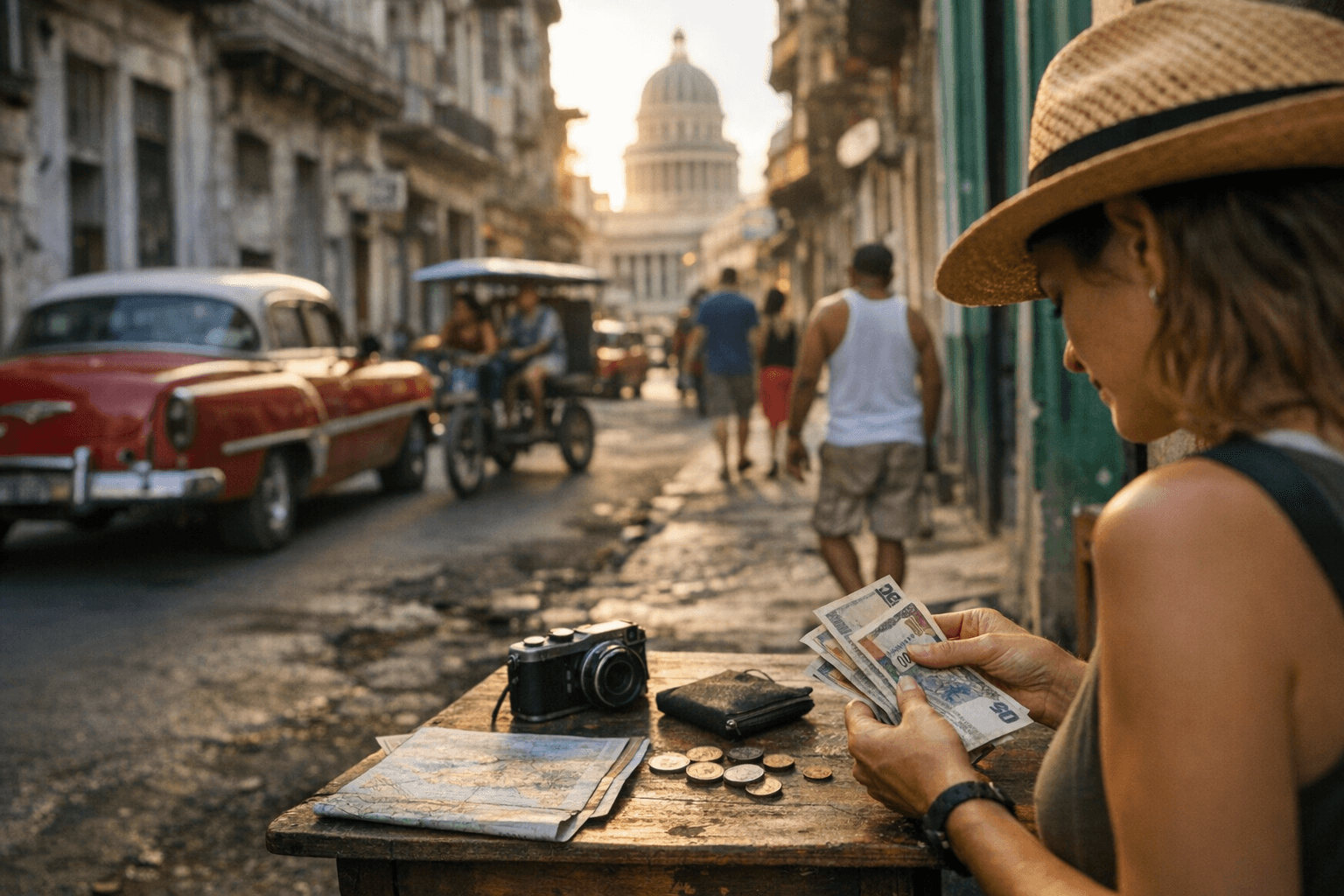
Currency behavior shapes most day-to-day choices. Cuba uses the Cuban peso (CUP) for local transactions, but many tourist businesses price in hard currency or accept cards in limited cases. Carry a mix of cash and a backup credit or debit card. Euros and Canadian dollars are often easiest to exchange, and ATMs can be unreliable, so bring enough cash to cover daily needs and major purchases. Avoid informal exchange channels and factor in official exchange commissions and possible conversion charges when budgeting.
Payments and where to use them matter. Government-run hotels and larger resorts regularly accept cards denominated in foreign currency, while smaller casas particulares and paladares prefer cash. Plan to pay for local guides, taxis and private restaurants in cash. Tipping remains customary across the tourism sector; budget roughly US$1–5 per service depending on whether you are paying a porter, housekeeper or restaurant server. Small notes in CUP or small foreign-currency bills are widely appreciated.
Transport costs can add up if you move between cities. Budget for intercity transfers such as shared taxis and domestic flights, and consider occasional private transfers in tourist areas. Compare package deals that bundle flight and hotel against booking components separately. During high season, all-inclusive packages can be the most cost-effective option, but off-peak travel often lowers both fares and crowding.
To stretch a budget without sacrificing experience, book package deals early, travel off-peak when possible, eat at well-rated paladares for authentic and often cheaper meals than resorts, and use locally recommended guided excursions rather than ad hoc agents in plazas. Include a contingency buffer of 15–25 percent to cover transport delays, local shortages or sudden changes in fuel and energy availability.
What this means for your trip is simple: pick your budget range first, prioritize cash in Euros or Canadian dollars, carry a backup card, and build a 15–25 percent cushion. With those choices you will be better placed to enjoy casas, paladares and Cuban rhythms without letting money worries set the beat.
This article was produced by Prism’s automated news system from verified source data, official records, and press releases, then run through automated quality and moderation checks before publishing. The system is built and supervised by the people who set the standards it runs under. Read our full AI policy.
Did this article answer your question?