Cuba condemns latest U.S. sanctions as abusive amid worsening crisis
Trump’s May 1 sanctions widen pressure on Cuba’s energy, banking and tourism lifelines just as blackouts, fuel shortages and inflation grind daily life down.
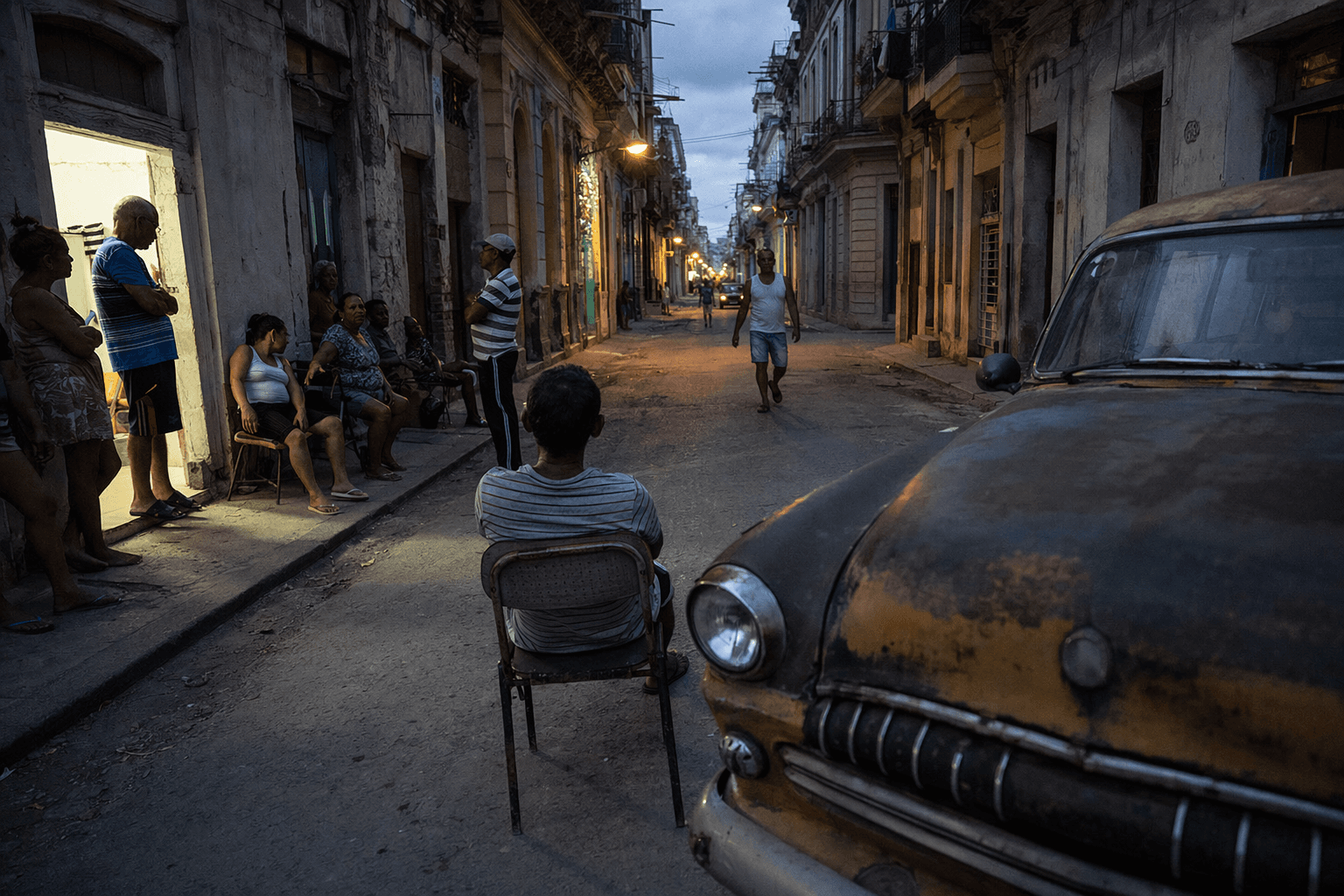
The new U.S. sanctions landed on Cuba’s weakest points: fuel, banking, remittances and the tourism machine that still props up hard currency earnings. Havana answered by calling the move abusive and saying it amounted to “collective punishment” of ordinary Cubans, as the island was already living through repeated blackouts, fuel shortages, food shortages and high inflation.
On May 1, Donald Trump signed an executive order titled Imposing Sanctions on Those Responsible for Repression in Cuba and for Threats to United States National Security and Foreign Policy. The White House said Cuba’s government policies remained an “unusual and extraordinary threat” to U.S. national security and foreign policy, and the order invoked the International Emergency Economic Powers Act and the National Emergencies Act. It authorizes blocking the property of foreign persons tied to Cuba’s energy, defense, metals and mining, financial services, security and other sectors, along with anyone providing material support to the Cuban government.
That wording matters because it goes beyond the familiar embargo frame. The U.S. State Department says the embargo began in February 1962 under John F. Kennedy and remains in place, but this latest order adds another layer of financial and commercial pressure on top of it. The timing also sharpens the blow: Cuba’s Restricted List already included military and security-linked entities such as GAESA, CIMEX, Gaviota, MINFAR and MININT as of July 14, 2025, limiting direct financial transactions with major pieces of the state-linked economy.
For Cubans, the practical effect could show up fast in places that already feel brittle. Energy transactions may become harder to arrange, which could worsen blackouts. Banks and payment channels could face more caution from foreign firms worried about exposure. Travel-linked business with hotels and tourism assets tied to the military sector could tighten further. Remittances, already a lifeline for many households, may also face added friction if financial institutions decide the risk is too high.
The political fight around the sanctions is not new, but the global backdrop has grown harsher. The United Nations General Assembly voted 187-2 with one abstention in 2024 to call for an end to the U.S. embargo, and it repeated that appeal in 2025. In February 2026, United Nations human rights experts in Geneva condemned a U.S. executive order restricting oil shipments to Cuba as a violation of international law.
The latest round came as Havana marked May Day with large rallies, including outside the U.S. embassy, where officials vowed to defend the country. Washington says the measures target repression and corruption networks; Havana says the real result is more hardship for the people living through the island’s worsening crisis.
This article was produced by Prism’s automated news system from verified source data, official records, and press releases, then run through automated quality and moderation checks before publishing. The system is built and supervised by the people who set the standards it runs under. Read our full AI policy.
Did this article answer your question?