Trump Says U.S. Will Take Cuba Soon, Escalates Sanctions
Trump's Cuba vow landed amid new sanctions, a Senate clash and Havana defiance, raising the stakes between a joke and a threat 90 miles from Florida.
Donald Trump mixed a punchline with a threat on Cuba, saying the United States would take the island soon and suggesting the USS Abraham Lincoln could be sent offshore after U.S. operations in Iran. Speaking at the Forum Club of the Palm Beaches in West Palm Beach, Florida, he said, "We're going to see with Cuba. Cuba is another story." He framed the line as a joke, but he also used explicit language about taking Cuba "almost immediately," leaving the audience to sort out whether he was teasing, exaggerating, or signaling real pressure.
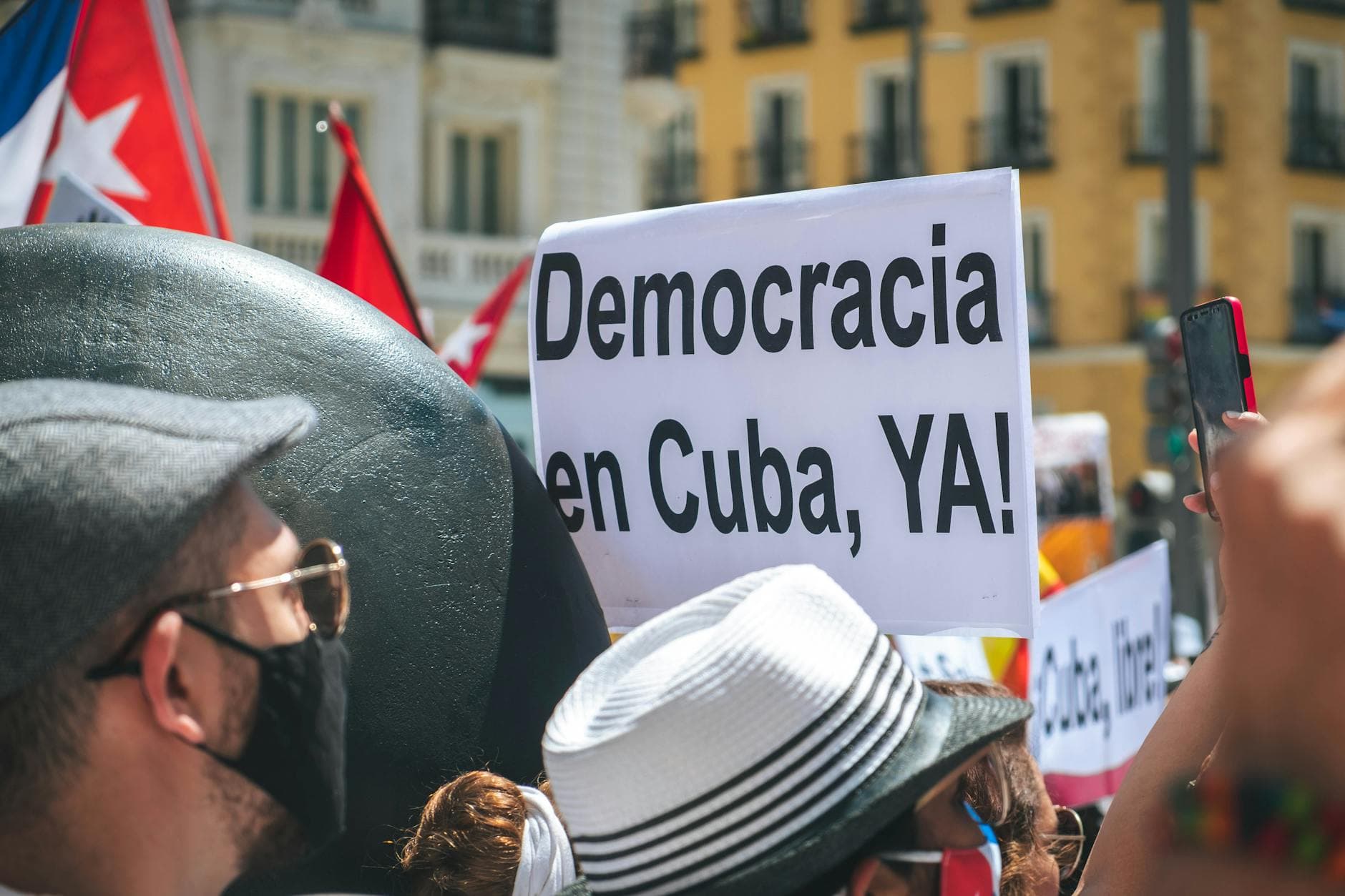
The words landed on the same day the White House issued a new executive order broadening sanctions on Cuba. The order targeted people, entities, affiliates and financial institutions tied to Cuba’s security apparatus, corruption, human-rights abuses and sectors including energy, defense, mining and finance. Bruno Rodríguez rejected the measures as "unilateral coercive measures" and "collective punishment" against the Cuban people, while May Day marches in Havana carried displays of defiance outside the U.S. embassy.
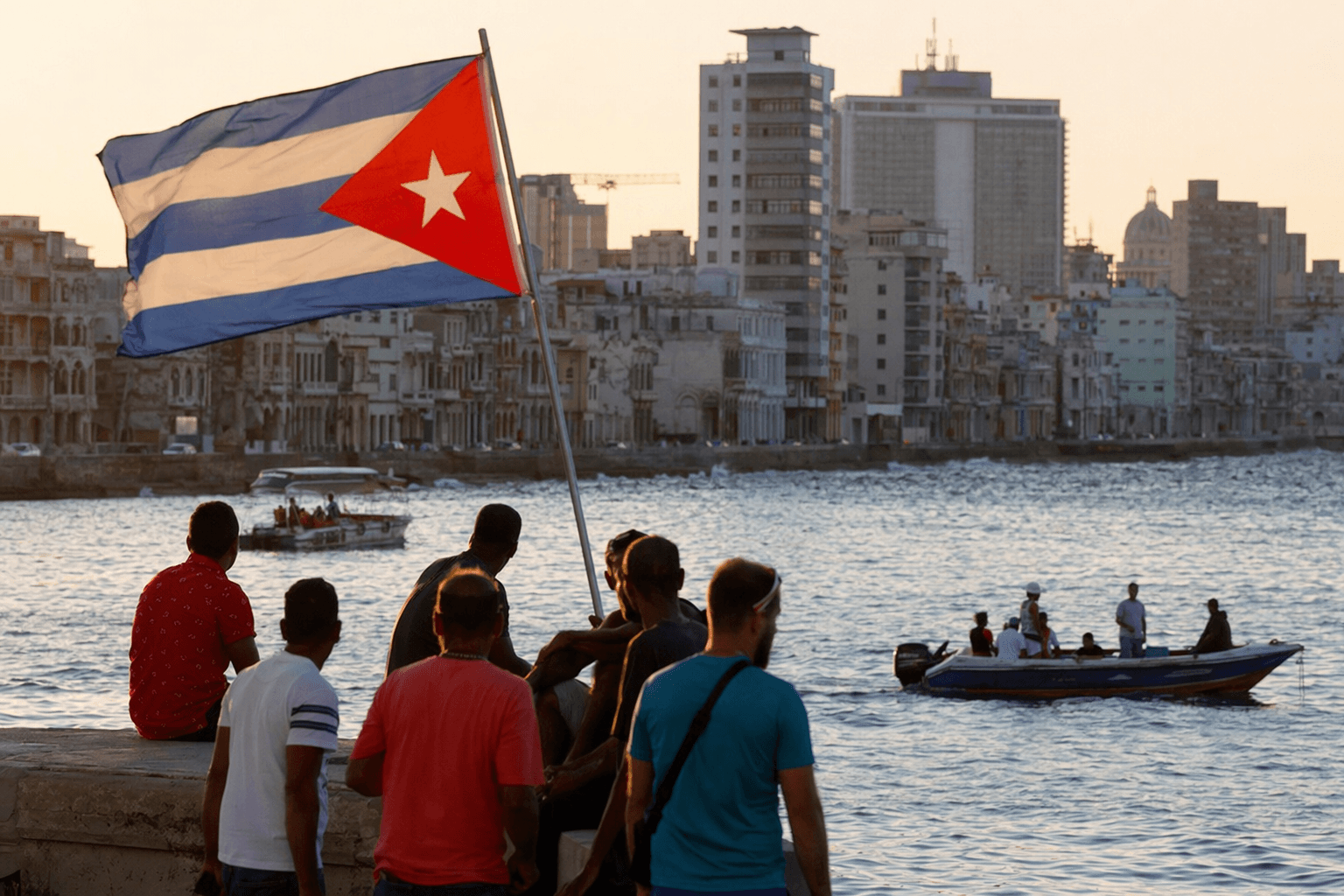
That mix of saber-rattling and sanctions mattered because Cuba is not a distant abstraction. The island sits about 145 kilometers, or roughly 90 miles, from Florida at its nearest point, close enough for every change in tone from Washington to feel immediate in Havana. Even without a shot fired, a broad sanctions order can tighten pressure on banks, shippers and fuel suppliers, and the language alone can feed fear on both sides of the Florida Straits.
The backdrop is one of the longest-running confrontations in U.S. foreign policy. The U.S. embargo on Cuba dates to John F. Kennedy’s February 1962 proclamation, coming after the Bay of Pigs invasion in April 1961 and before the Cuban Missile Crisis in October 1962. Those flashpoints still shape how Cuban officials and many Cubans hear any suggestion of military action, especially when it comes paired with sanctions and talk of naval power.
In Washington, Democrats had already tried to limit Trump’s room to maneuver. The Senate blocked a resolution on April 28 that would have barred him from taking military action against Cuba without congressional approval. And the proposed carrier move was not a trivial detail: the USS Abraham Lincoln was described as deployed in the Middle East, which would make any shift toward Cuba a major redeployment rather than a routine show of force.
That gap between viral language and actual capability is the story here. Trump’s remark may have been a joke, but the sanctions were real, the political pressure was real, and the reaction in Havana was real. For Cuba, that is often enough to turn a line delivered in Florida into another hard-edged chapter in a conflict that never really stopped.
This article was produced by Prism’s automated news system from verified source data, official records, and press releases, then run through automated quality and moderation checks before publishing. The system is built and supervised by the people who set the standards it runs under. Read our full AI policy.
Did this article answer your question?