Cuba rejects Trump sanctions, denounces them as collective punishment
Havana called Trump’s new Cuba sanctions collective punishment as Raúl Castro marched in May Day crowds and officials vowed the island would not be intimidated.
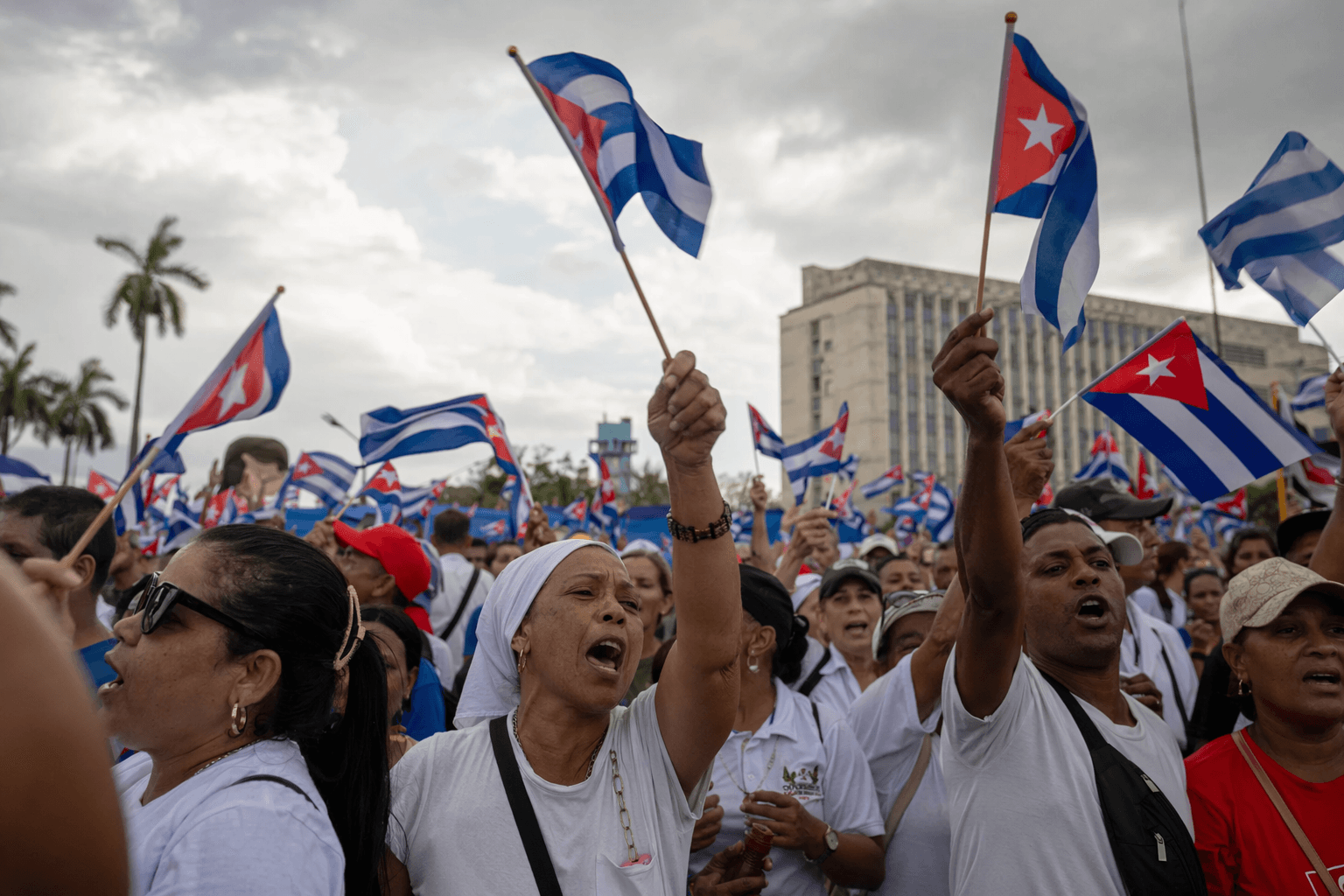
Bruno Rodríguez responded within hours, casting Donald Trump’s new Cuba sanctions as “unilateral coercive measures” and “collective punishment” aimed at ordinary Cubans. His rebuttal landed as Havana was packed with traditional May Day celebrations, giving the government a stage to pair defiance with mass pageantry.
Trump signed the executive order on May 1, 2026, broadening U.S. sanctions against the Cuban government and its support network. The new measures target people, entities and affiliates tied to Cuba’s security apparatus or linked to corruption and serious human rights violations. They also authorize secondary sanctions for foreign persons operating in sectors including energy, defense and related materiel, metals and mining, financial services and security.
Rodríguez said the measures violate the United Nations Charter and that Washington has no right to impose them on Cuba, third countries or private entities doing business with Havana. He said the sanctions would not intimidate the island. Miguel Díaz-Canel added his own message, calling the steps proof that the United States was tightening what he described as a “brutal, genocidal” blockade.
That language is familiar in Havana, but the stakes are sharper now. The White House said the action was taken under a national emergency declared in Executive Order 14380 on January 29, 2026, and the move extends the threat beyond U.S. firms to foreign companies that touch Cuba’s economy. Jeremy Paner, a former U.S. sanctions investigator, said the shift was the most significant for non-American companies since the Cuba embargo began decades ago, warning that oil and gas firms, mining companies and banks that had kept their Cuba business apart from the United States were no longer sheltered.
The broader backdrop is decades old. The U.S. State Department says the embargo dates to February 1962, when John F. Kennedy proclaimed it. Cuba has spent years answering that pressure with the same argument: the policy is illegitimate and economically punishing, not a lever for political change. The United Nations General Assembly has echoed that view, voting 187-2-1 in October 2024 to call for an end to the embargo and again passing a resolution in 2025.
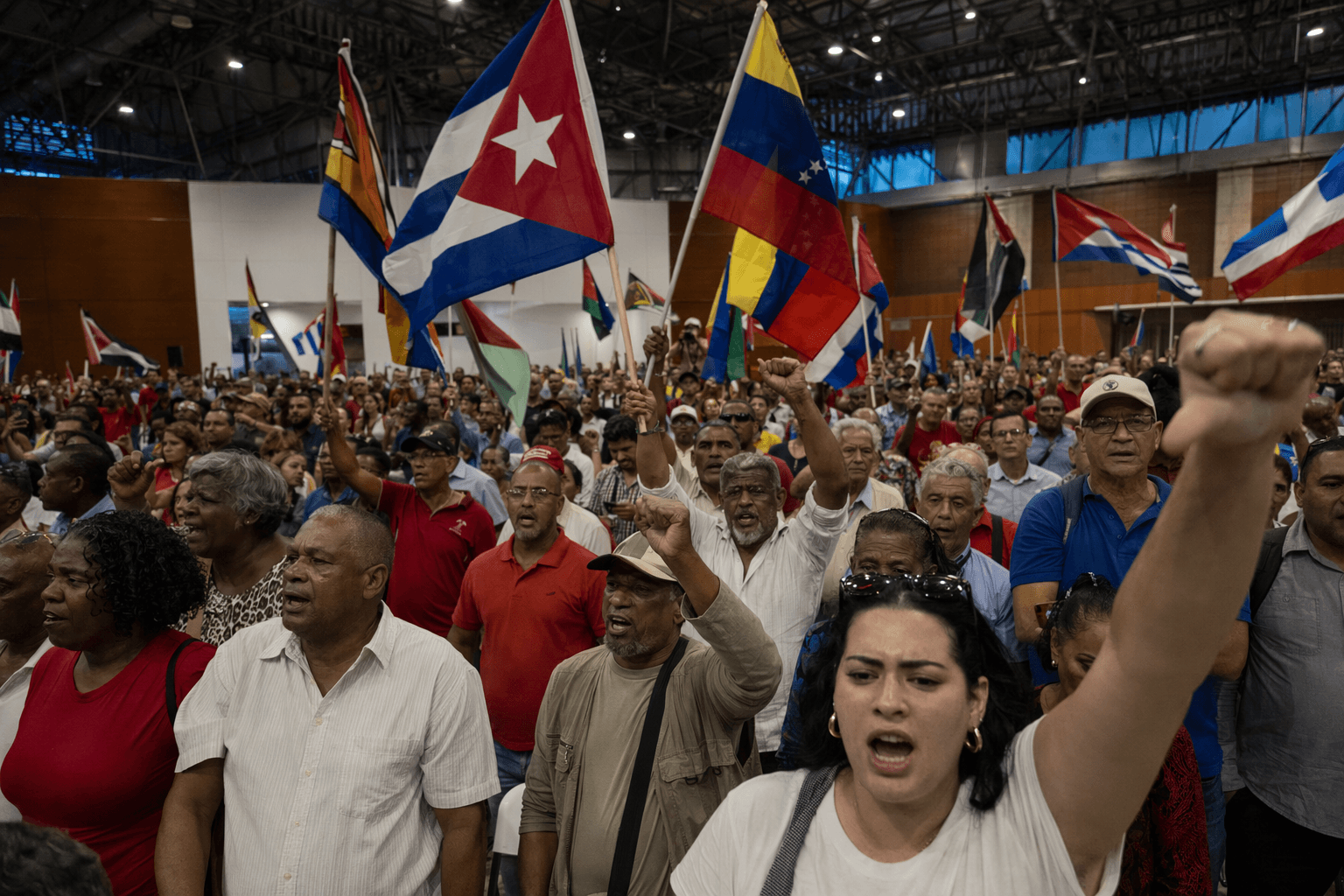
For Havana, the May Day timing mattered almost as much as the text of the order. Reuters reported that Raúl Castro joined the march in the capital, turning the streets of Havana into a public display of continuity at the very moment Washington tried to widen the cost of doing business with Cuba. The question now is whether the new sanctions will shift state behavior, or simply deepen the pressure already bearing down on Cuban households.
Know something we missed? Have a correction or additional information?
Submit a Tip