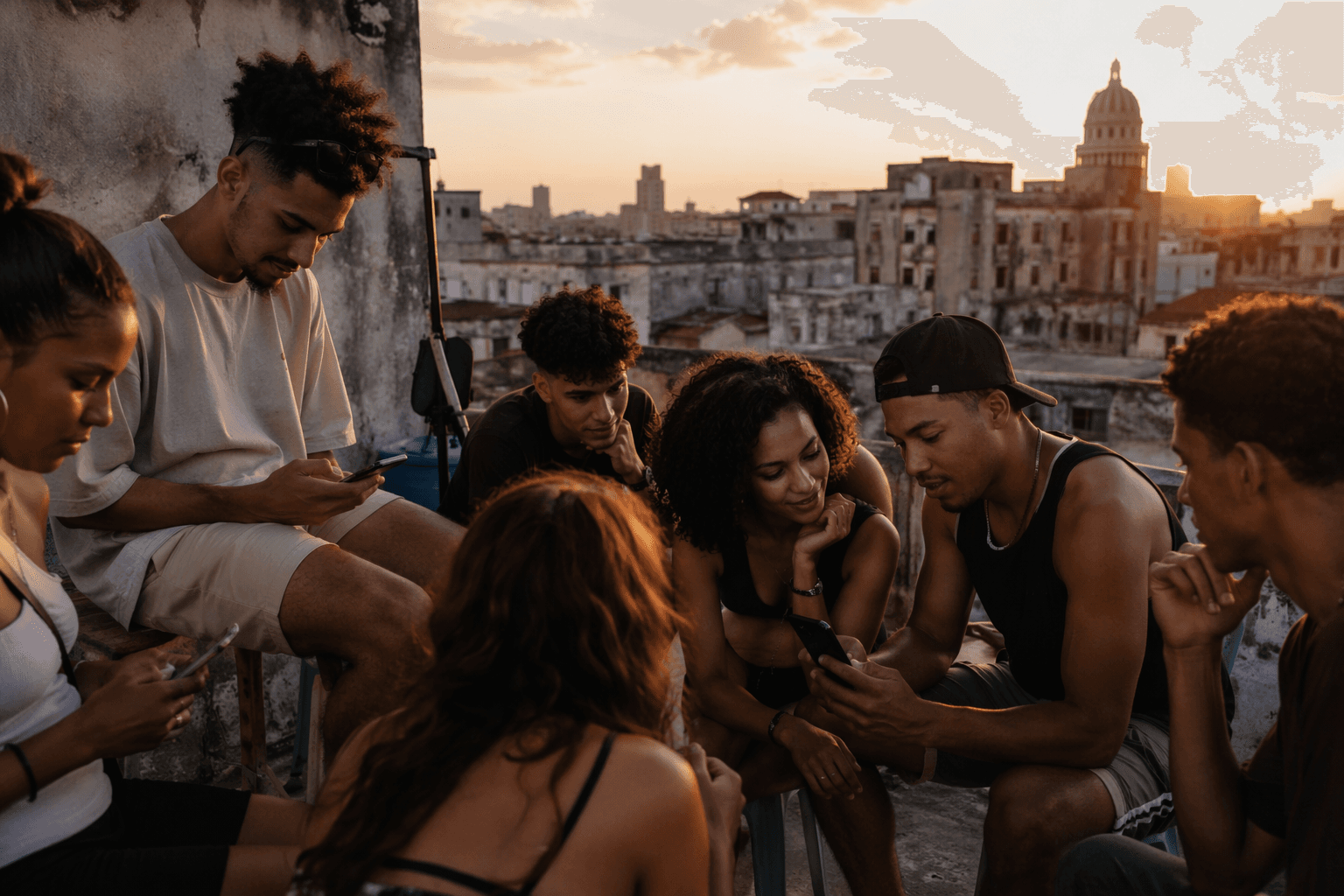
Cuba drops case against activist Anna Bensi, pressure continues
At 21, YouTuber Anna Bensi saw her case dropped, but officers still pressed her to keep quiet, leave Cuba or face prison.

At 21, Cuban YouTuber Anna Sofía Benítez Silvente, known online as Anna Bensi, is becoming a sharp example of how far State Security will go to silence young voices that speak publicly.
The Havana Provincial Prosecutor’s Office shelved the case against Bensi and her mother, Caridad Silvente, after the pair were investigated for filming a plainclothes officer who came to their home with a summons. The move lifted precautionary measures against both women, including bans on travel between Cuban provinces and abroad. But the legal pause did not end the pressure.
Bensi said she was summoned to the Alamar police station on April 13 and confronted there by three unidentified counterintelligence officers. According to her account, the officers sat around her, pushed her to cooperate and even suggested they could help her develop a music career if she agreed. She said they presented her with a stark choice: stay quiet, go into exile or risk prison.
That exchange fits a familiar pattern in Cuba’s crackdown on dissent. Instead of openly turning every young critic into a high-profile criminal case, the state often relies on fear, isolation and exhaustion. Bensi said the officers named exiled activists and journalists, hinted that she would not get a visa, and warned that something could happen if she kept speaking out.
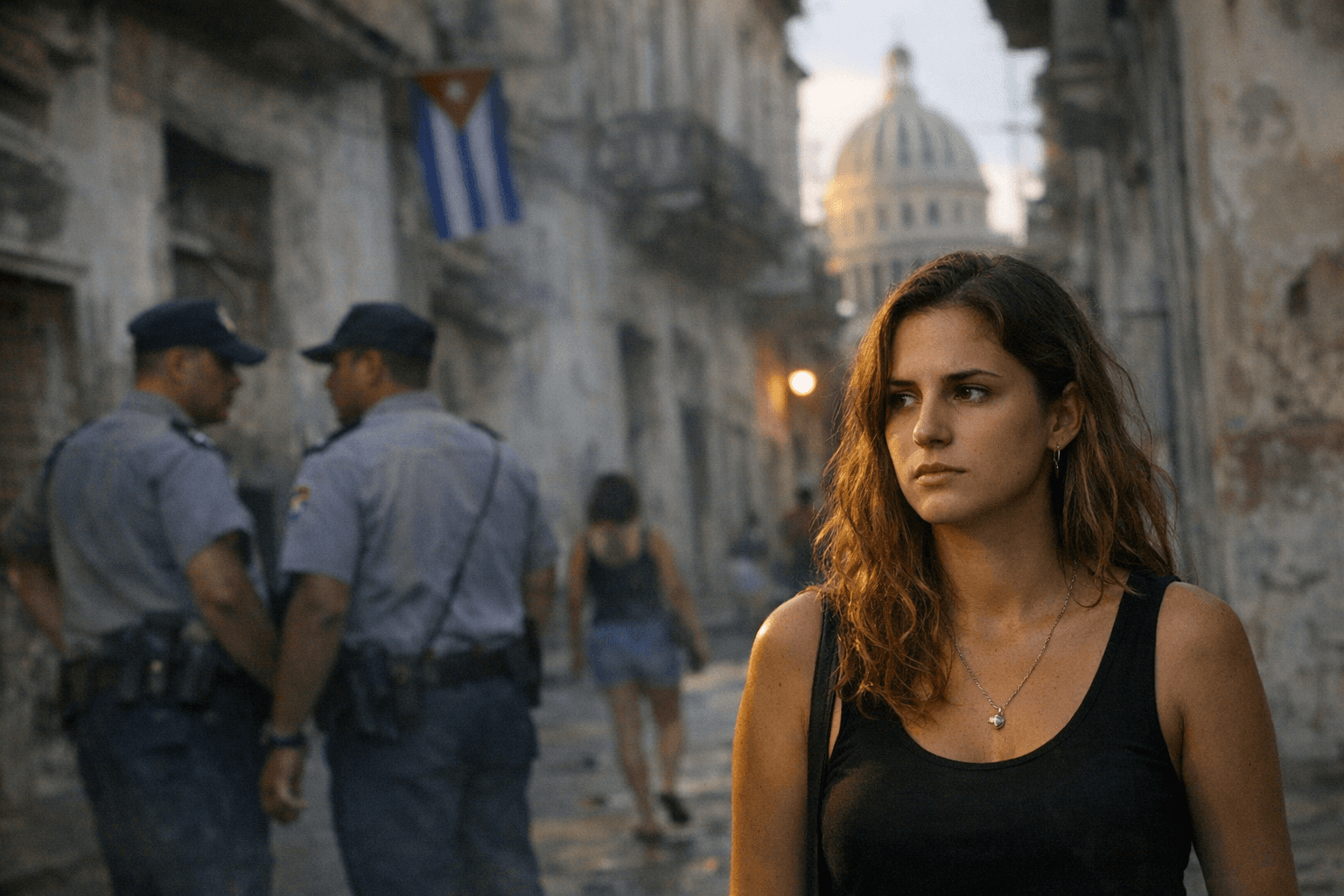
Bensi has also pushed back against efforts to frame her as something larger than a young online commentator. She says she is not a leader, only someone sharing her views on social media. That distinction matters in a country where visibility itself can become a threat, especially when it comes from a young Cuban woman using YouTube and other platforms to speak in public view.
The pressure around her family did not begin at the police station. Reports say Mike Hammer, the head of the U.S. mission in Cuba, visited Bensi and Silvente at their home in Alamar around April 9. Other reports said Bensi’s sister, Elmis Rivero Silvente, was interrogated on April 10 before a trip to Miami, and that the family’s WhatsApp communications were disrupted. Taken together, those details point to a wider pressure campaign rather than a single legal dispute.
Human Rights Watch says Cuban authorities routinely rely on arbitrary detention and harassment to deter public criticism. Amnesty International says state harassment in Cuba commonly includes summonses, home surveillance, movement restrictions and threats, including pressure on activists’ relatives. Bensi’s case now joins that larger record: a formal case shelved, the travel ban removed, and the intimidation still in place.
This article was produced by Prism’s automated news system from verified source data, official records, and press releases, then run through automated quality and moderation checks before publishing. The system is built and supervised by the people who set the standards it runs under. Read our full AI policy.
Did this article answer your question?