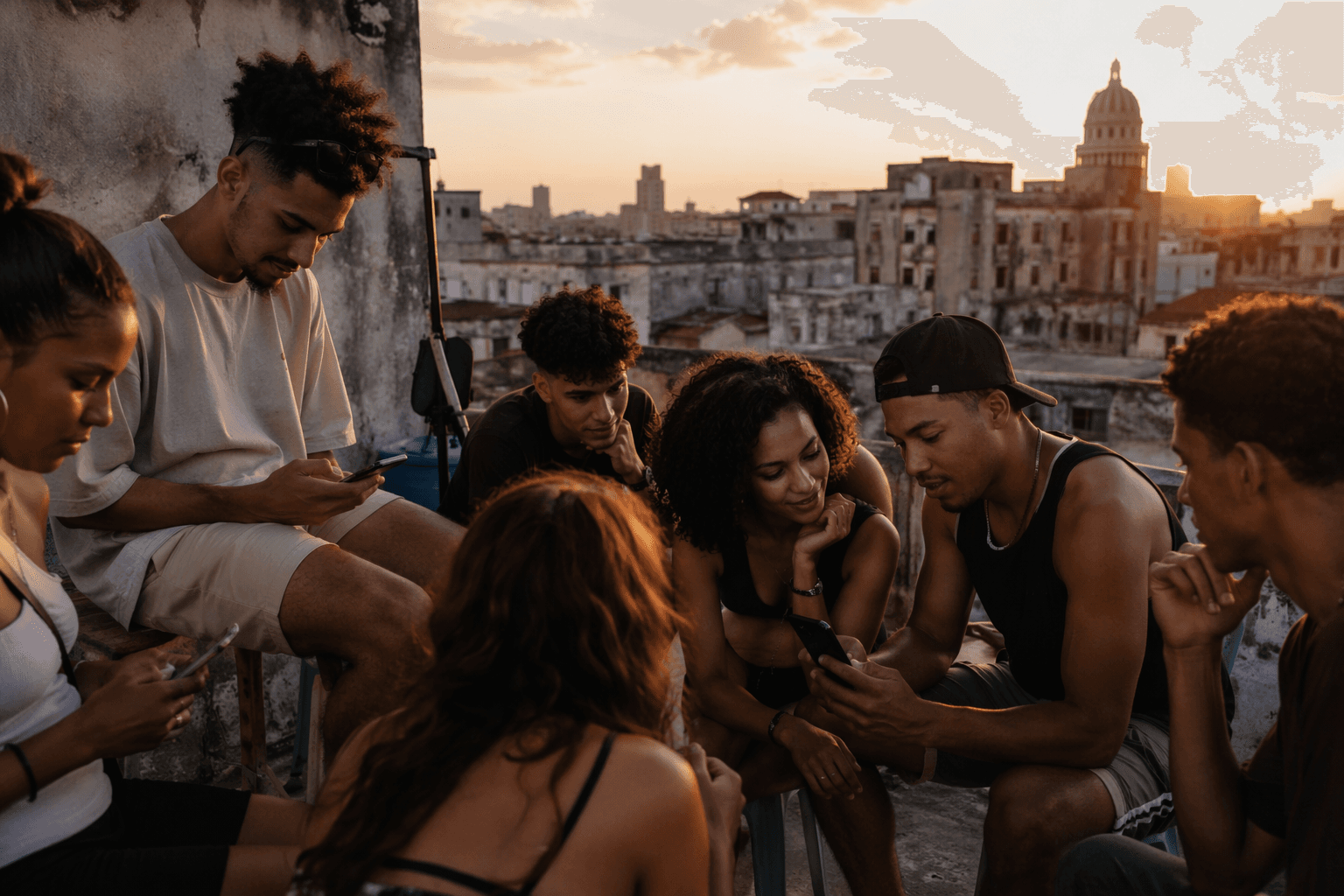
Cubans flood Brazil asylum system, Curitiba becomes new hub
Cubans' asylum claims in Brazil jumped nearly 220%, and Curitiba now draws 93% of foreign refuge requests there as the island's economic slide pushes the exodus south.
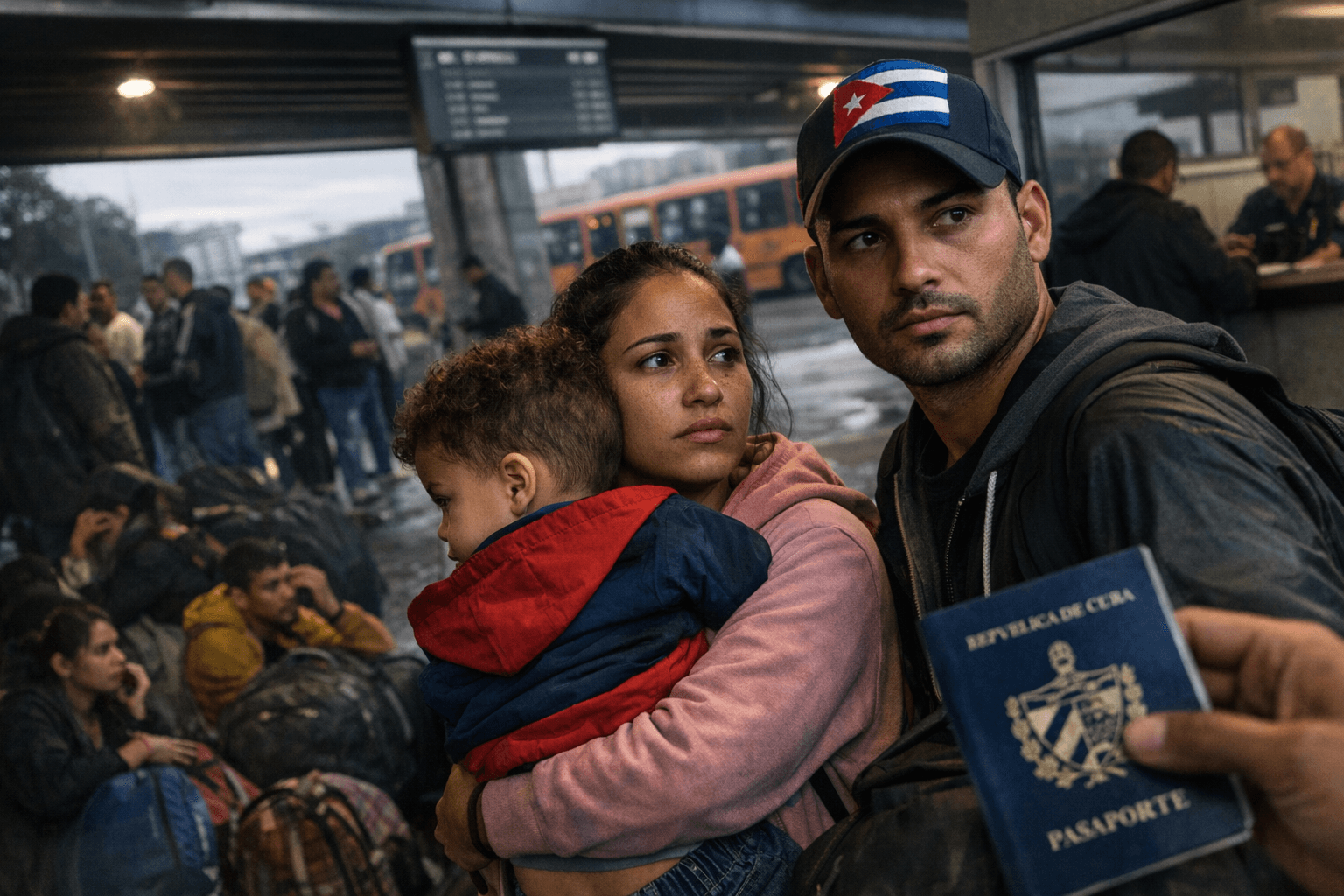
Cubans are not just filing more asylum requests in Brazil. They are reshaping where the Cuban exodus lands, and Curitiba has become the clearest marker of that shift.
The number of Cuban asylum applications in Brazil rose from 22,288 in 2024 to 41,919 in 2025, an 88% jump in one year, while Cuban net migration into Brazil climbed from +2,172 to +6,404. Over the broader 2023-to-2025 period, refugee requests from Cubans in Brazil have surged nearly 220%, a sign that Brazil has become a major outlet for people fleeing Cuba’s economic collapse and shortages.
The scale has changed the asylum system itself. The United Nations refugee agency says Cuban arrivals have risen sharply over the past two years and now make up Brazil’s main asylum-seeking caseload, with more than 30,000 claims still pending. In practice, that means Cuba has moved from being one nationality among many to the one shaping the pace, pressure and geography of Brazil’s refugee response.
Curitiba stands out because the concentration there is extraordinary. City hall said Cubans accounted for 93% of the 576 foreigners who sought refuge in Curitiba between January and March 2025. Local officials have tied that appeal to the city’s job market and quality of life, a combination that is pulling new arrivals away from the older routes that once pointed almost automatically toward the United States.
That rerouting is visible in the wider migration pattern. Bloomberg reported that since the start of 2025, Cubans have outpaced Venezuelans in asylum requests in Brazil, after more than 22,000 Cubans sought refugee status there in 2024. Many arrive through Guyana, Suriname or Venezuela, then travel overland into Brazil’s northern states, especially Roraima and Amazonas, before continuing south. The presence of Cuban doctors who came under Mais Médicos in the 2010s has also helped make Brazil feel more familiar, and more reachable, to new arrivals.
For migrants in Brazil, the legal path matters as much as the geography. Asylum cases are handled by CONARE, and UNHCR says refugees and asylum seekers in Brazil can obtain documents, work, study and access services while they wait. Yasmin Ortega Bertran, 66, is one of the Cubans already settling into that path in Curitiba, moving from informal work to a formal kitchen job after a year in the city.
The result is a new map point in the Cuban exodus. As U.S. restrictions tighten under Donald Trump, Brazil is emerging not only as an entry point, but as a place where more Cubans are choosing to stay.
This article was produced by Prism’s automated news system from verified source data, official records, and press releases, then run through automated quality and moderation checks before publishing. The system is built and supervised by the people who set the standards it runs under. Read our full AI policy.
Did this article answer your question?