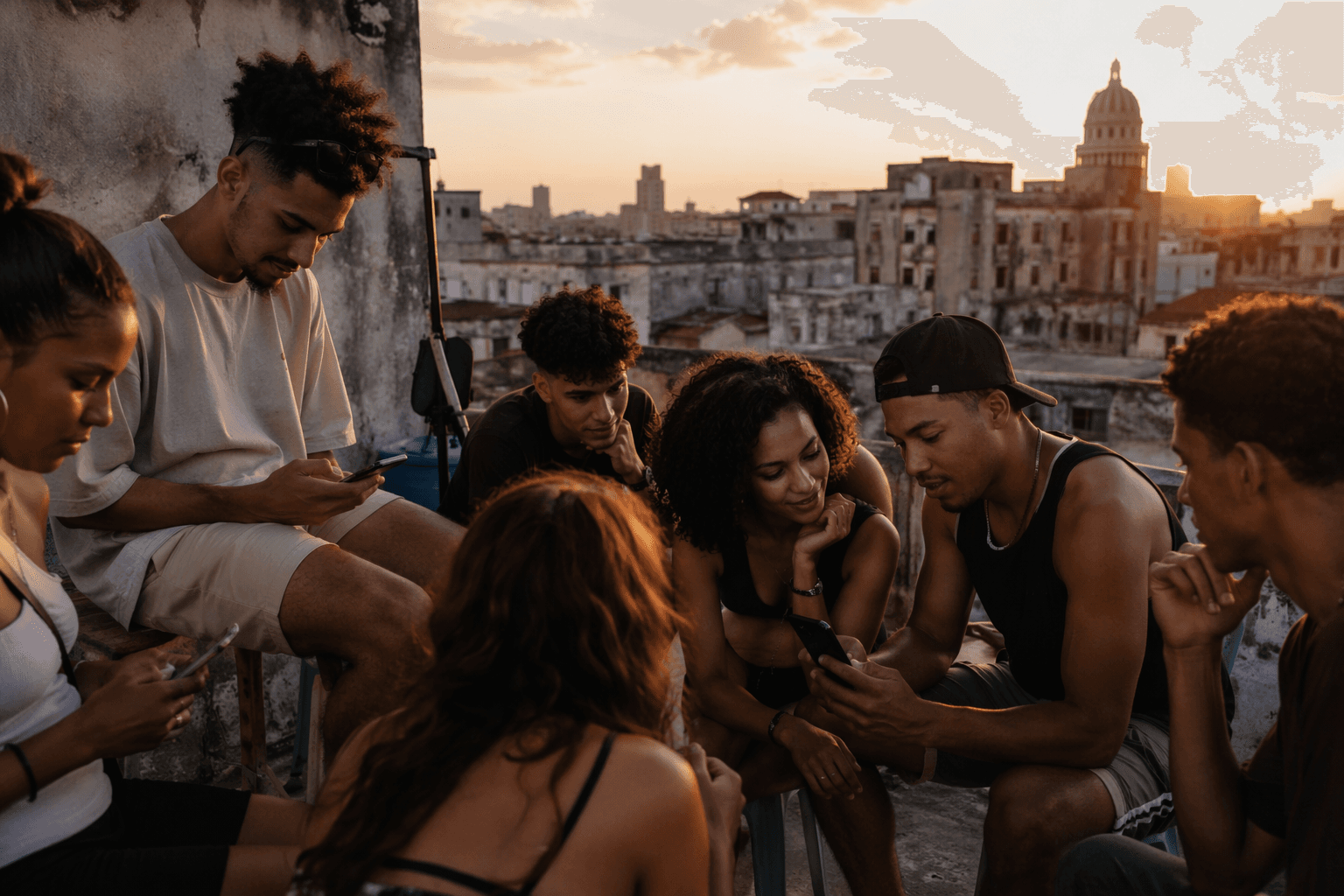
Cuba elected to UN NGO committee despite rights concerns
Cuba won a seat on the UN committee that helps decide which NGOs get inside the system, even as Washington said Havana still represses civil society.
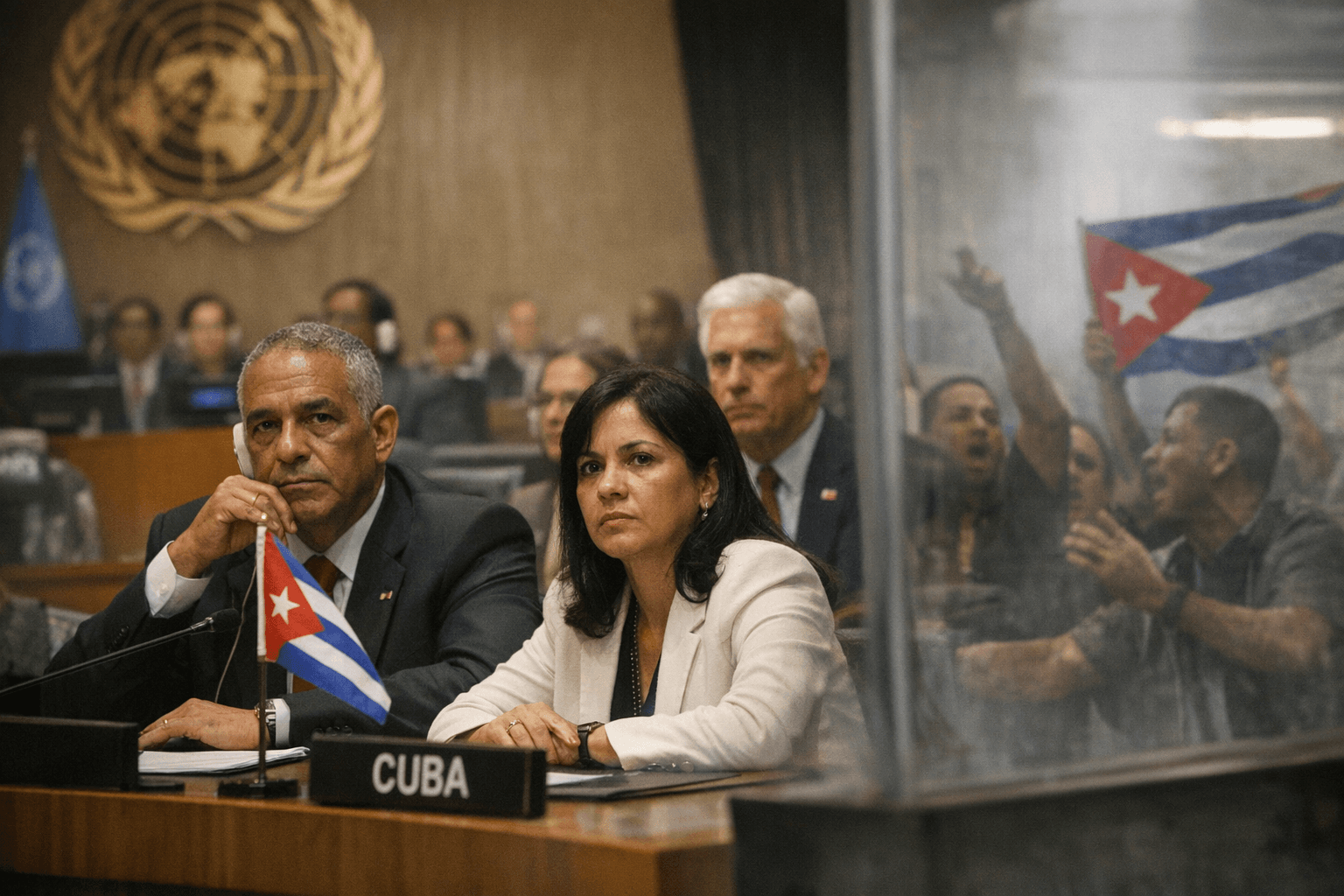
Cuba won a seat on the United Nations body that helps decide which civil society groups gain access to the world body, and the political split was immediate. The United States disassociated from the consensus on April 8, 2026, saying Cuba and Nicaragua continued to repress their citizens and suppress civil society, and were unfit to advise on NGOs.
The seat matters because the Committee on Non-Governmental Organizations is not ceremonial. The standing ECOSOC committee, created in 1946, has 19 members elected on the basis of equitable geographical representation and serves four-year terms. Its job is to review applications for consultative status, reclassification requests and quadrennial reports from NGOs. Only after the committee makes a recommendation does the Economic and Social Council give final approval, which means the committee sits at the choke point for access to UN meetings, side events and interventions.
The election itself was almost entirely uncontested. ISHR said 20 candidates ran for 19 seats, with closed slates in the African, Latin American and Caribbean, and Asia-Pacific groups, and Belarus the only candidate to lose in the Eastern European contest. The result handed Cuba another term on a committee it has repeatedly occupied, with prior service listed from 1999-2002 through 2023-2026. The election also drew backing from the United Kingdom, Spain, Canada and others.
Rights groups said the outcome carries direct consequences for civil society, not just diplomatic optics. UN experts warned ahead of the vote that some states abuse the accreditation process by repeatedly deferring applications for years, while others promote government-organized NGOs that crowd out authentic civil society voices. ISHR said the committee is the axis on which civil society access to the UN hinges, and Democracy Without Borders said 13 of the 19 newly elected members are rated by CIVICUS as having closed or repressed civic space. Freedom House rated only five of the new members as free: Estonia, Israel, South Africa, the United Kingdom and the United States.
The broader stakes are easy to measure. ECOSOC’s NGO Branch says 6,494 NGOs are already in active consultative status, and every one of them depends on the same pipeline Cuba just helped shape. Cuba’s foreign minister, Bruno Rodríguez Parrilla, praised the election on X as recognition of Cuba’s role in promoting participation of NGOs from all regions in the work of the UN system.
This article was produced by Prism’s automated news system from verified source data, official records, and press releases, then run through automated quality and moderation checks before publishing. The system is built and supervised by the people who set the standards it runs under. Read our full AI policy.
Did this article answer your question?