Cuba ends Acopio monopoly, opens farm trade under state oversight
Cuba has broken Acopio’s monopoly on paper, but the state kept the levers that set prices, contracts and who can sell to whom.
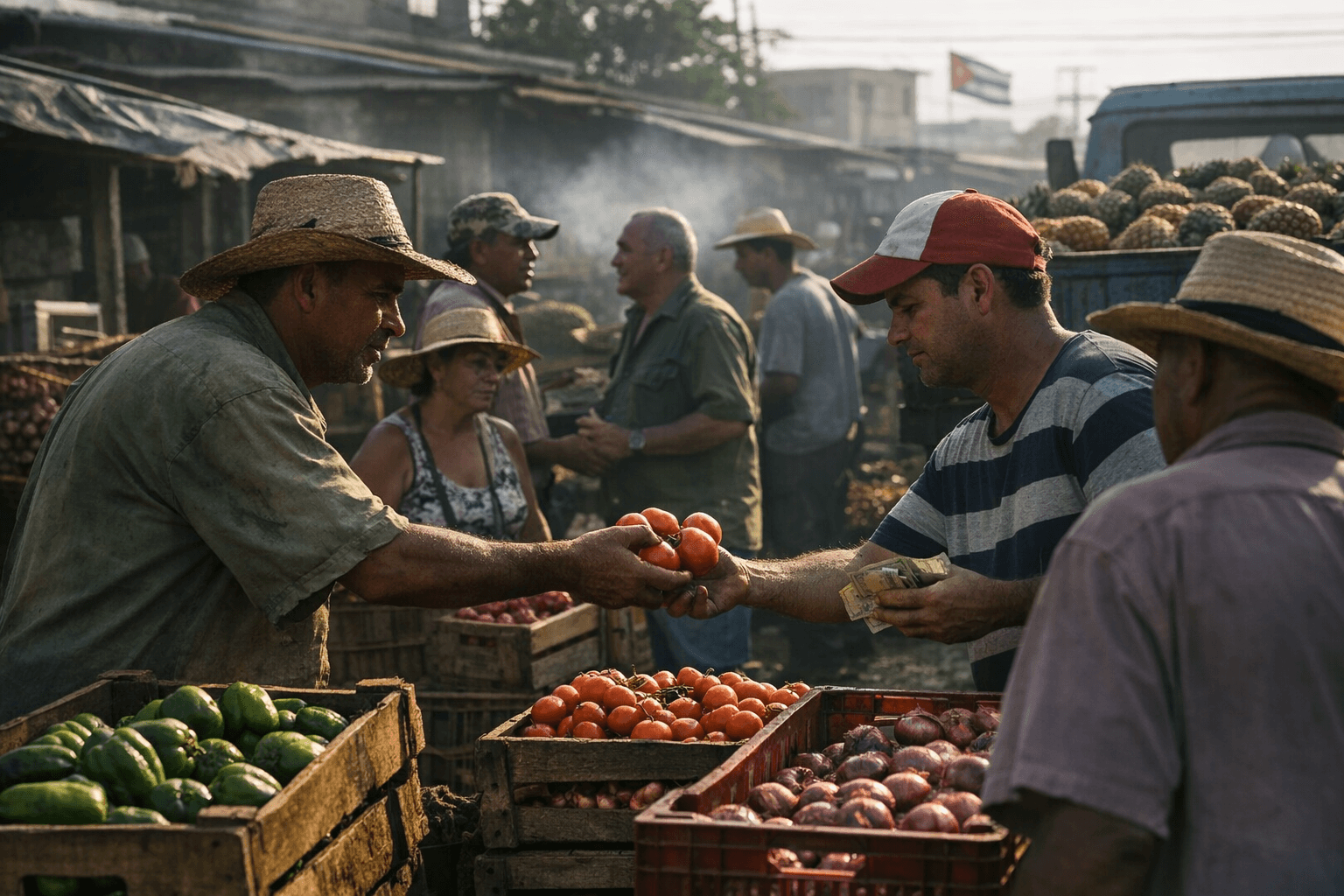
Cuba has finally moved against Acopio, the farm-buying monopoly that shaped agricultural trade for generations, but the reform stops well short of handing the market over to producers. Decree 143/2025 opens wholesale and retail trade in agricultural and forestry products to a wider field of actors, yet it keeps the state in charge of the rules that matter most: production priorities, contracting, prices, quality controls, safety and the national balance of supply.
The decree was published in Official Gazette No. 33 on April 9, 2026 and signed by Prime Minister Manuel Marrero Cruz. The Ministry of Agriculture backed it with Resolution 16/2026. On paper, the change is broad. State, private and mixed MSMEs can now participate, along with agro and non-agro cooperatives, self-employed workers and legitimate landholders, whether owners or usufructuaries. The text also says the system will use a value-chain approach and create incentives for production, acopio and commercialization.
What does not change is just as important. The government still keeps control over public procurement for social consumption, exports and the most lucrative segments, including tobacco and honey. It also requires collections and payments to move through tax bank accounts, which means a farmer can face a wider market tomorrow, but still has to work inside a heavily supervised administrative frame. Public procurement committees will handle social consumption and supplier evaluation, adding another layer between growers and buyers.
That balance matters because the old system has been failing in plain sight. Acopio, created in 1962 and turned into an absolute monopoly during the 1968 Revolutionary Offensive, became synonymous with nonpayment, delays and empty shelves. Official data published in January 2025 showed year-on-year 2023 declines of 93.2% in pork, 59.1% in rice, 44% in root vegetables, 43% in eggs, 37.6% in cow’s milk, 29.5% in beans and 22.7% in vegetables. Those numbers explain why the state is loosening the monopoly now, but they also show the depth of the collapse the reform is trying to contain.
The dairy sector shows the damage most clearly. In Sancti Spíritus, the Empresa de Productos Lácteos Río Zaza carried a debt to milk producers that exceeded 150 million pesos in late 2024, even as it collected 27 million liters of milk that year. The payment chain failures reached children, pregnant women and people on medical diets, turning a bureaucratic bottleneck into a daily food shortage.
So the real break is limited. Cuba has opened more doors for producers, cooperatives and private firms, but the state is still holding the keys to price, distribution and strategic sales. After decades of Acopio criticism, the monopoly is shrinking. The control behind it is not.
This article was produced by Prism’s automated news system from verified source data, official records, and press releases, then run through automated quality and moderation checks before publishing. The system is built and supervised by the people who set the standards it runs under. Read our full AI policy.
Did this article answer your question?