Cuba e‑Visa Guide: Who Needs One, Documents, Timing, Tips
Cuba now requires e‑visas for most visitors; this guide explains who needs one, required documents, timing and practical tips.
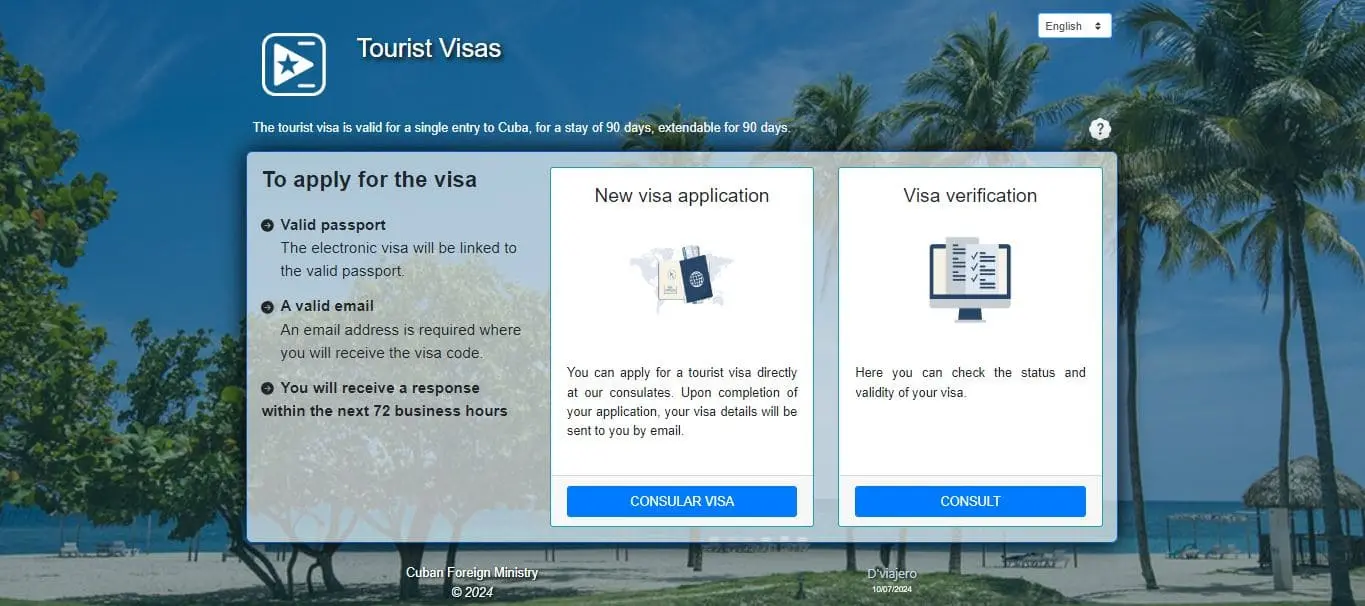
Travel to Cuba now hinges on the e‑visa for most foreign visitors, replacing the old paper tourist card in many cases. The switch affects booking, airline check‑in, and the paperwork you carry to immigration, so plan early and keep both electronic and printed copies of everything.
Most travellers must obtain an e‑visa before departure. Rules vary for passengers flying directly from Canada, where many airline tickets include the e‑visa automatically; verify inclusion at booking and retain the airline confirmation or e‑visa reference. U.S. travellers still must comply with U.S. OFAC travel categories when departing the United States; that U.S. requirement is separate from Cuba’s entry rules. Cuban‑born U.S. citizens often face special passport and entry procedures and should contact the Cuban consulate for consular guidance.
Apply within the recommended window many airlines and official channels suggest - typically 7 to 30 days before your flight - unless your carrier handles the e‑visa as part of the ticket. Use the official Cuban government e‑visa portal or an authorized visa service to complete the application. If you route through a third country rather than taking a direct flight from a carrier that includes the e‑visa, you will normally need to apply in advance yourself.
Required documents for the e‑visa process are straightforward: a valid passport with at least six months’ validity beyond your planned departure date, personal details (full name, date of birth, passport number), travel itinerary (arrival date and point of entry), and contact information for your accommodation or host. Proof of travel or medical insurance covering Cuba is usually required at entry. Retain all confirmations and bring both printed and electronic copies.
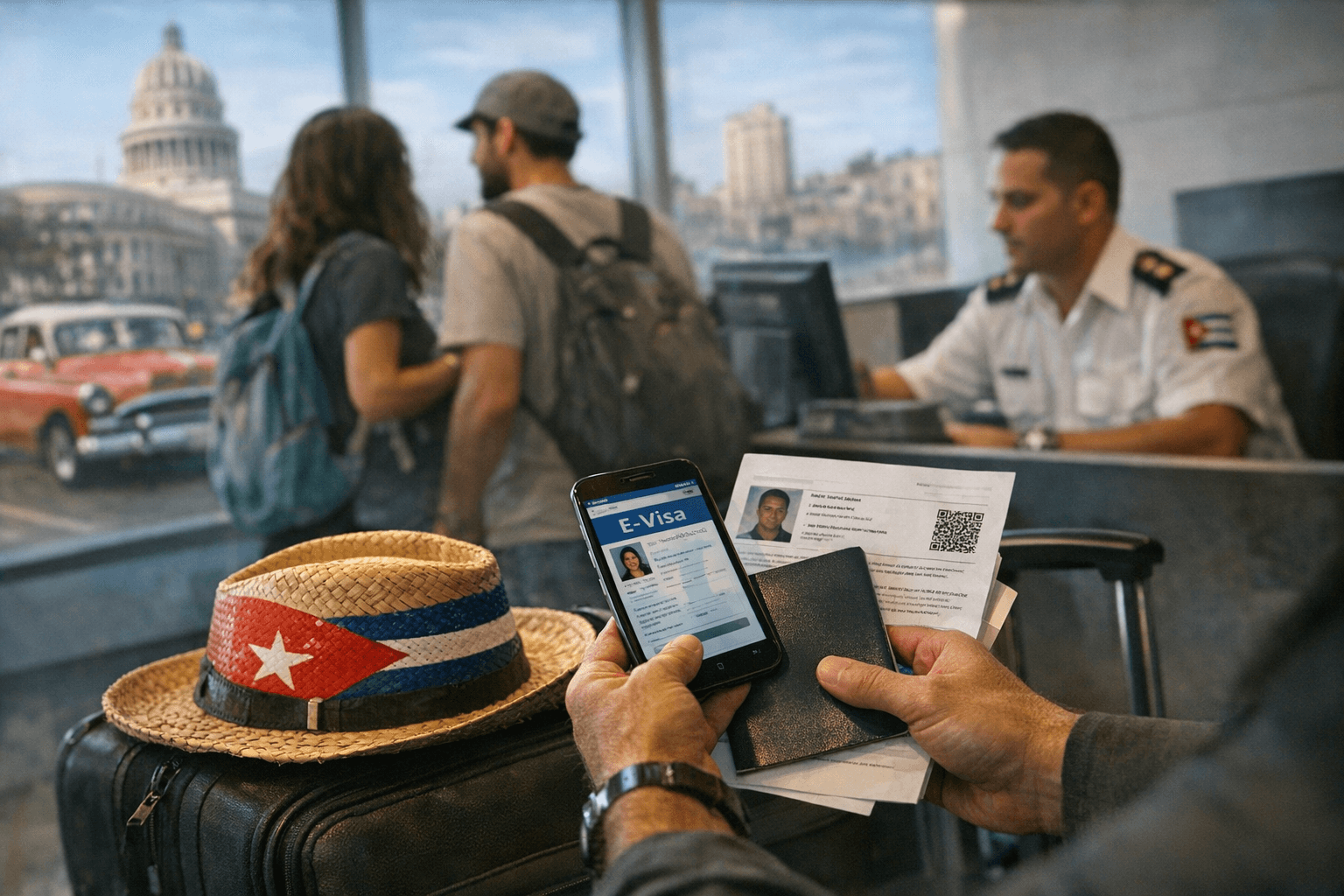
Cuba may also require completion of the D’Viajeros passenger, health, and customs form in the days before arrival; complete the form online, save the QR code, and present it at immigration. Short tourist stays are commonly up to 90 days with a possible extension handled by Cuban immigration authorities if you need more time.
Practical checks reduce last‑minute stress: confirm e‑visa coverage with the airline at booking, check official Cuban embassy or immigration pages shortly before travel for updates, and keep copies of your e‑visa, insurance, return or onward ticket, and hotel booking en regla. When in doubt, contact your airline, travel operator, or the Cuban consulate for clarification.
What this means for travelers is simple: factor the e‑visa into your booking timeline, verify whether your airline includes the document, and arrive with insurance and D’Viajeros QR code in hand. Do that and you’ll spend more time enjoying the plazas and beaches and less time on paperwork at the gate.
This article was produced by Prism’s automated news system from verified source data, official records, and press releases, then run through automated quality and moderation checks before publishing. The system is built and supervised by the people who set the standards it runs under. Read our full AI policy.
Did this article answer your question?