Cuba eVisas start at $85, guide offers same-day processing
Cuba trips now hinge on the eVisa, not a casual booking. The official entry pass starts at $85, with same-day processing for last-minute plans.
For Americans traveling to Cuba, the trip now starts with an OFAC category and an eVisa, not a tourist card. If you are subject to U.S. jurisdiction, the trip has to fit one of OFAC’s authorized categories, and the eVisa system now drives the whole booking timeline. That means the first question is not where you want to stay in Havana or Varadero, but whether your reason for travel is compliant, whether your visa is in hand, and whether your plans can survive Cuba’s uneven power and transport conditions.
What changed for legal Cuba travel
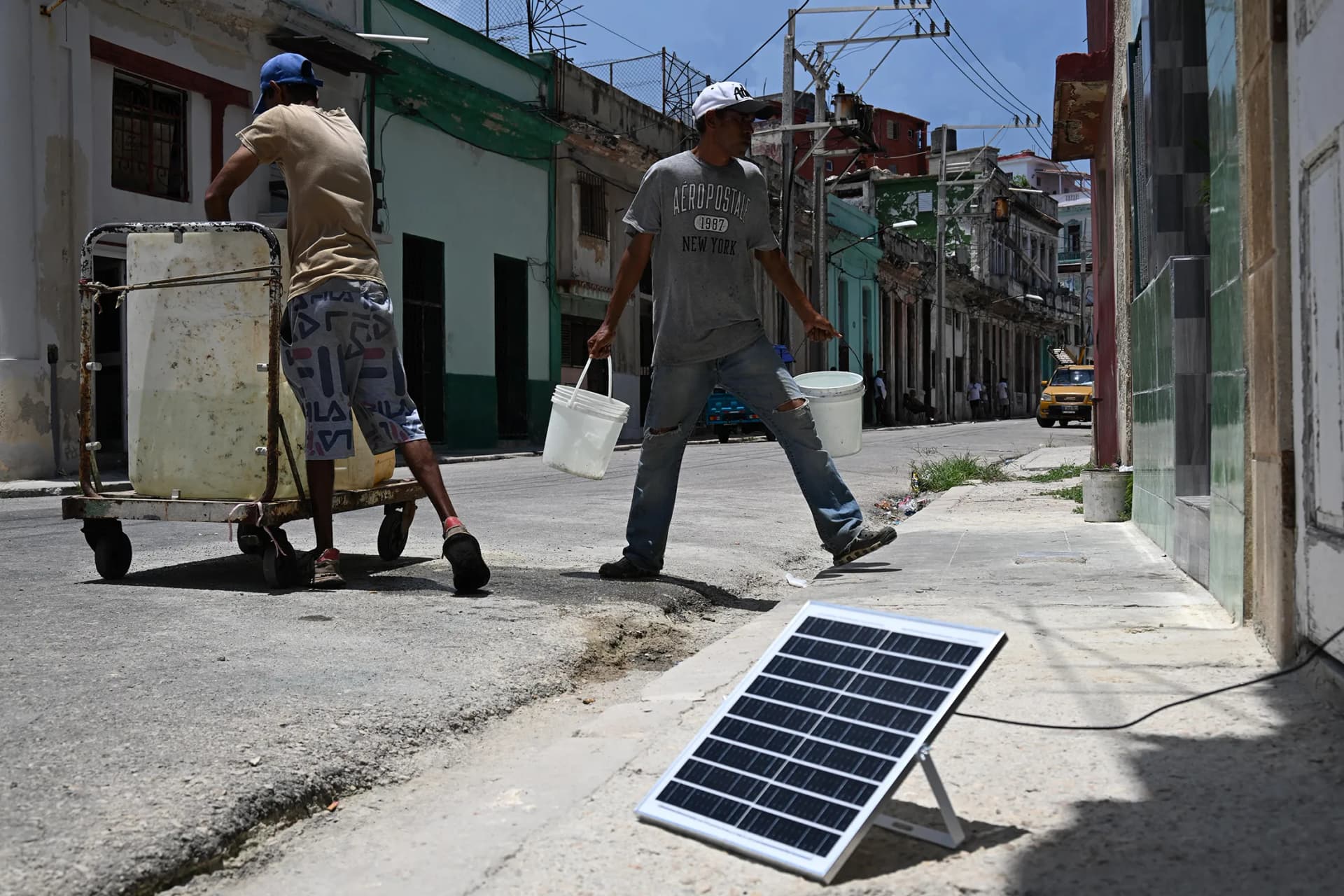
The legal frame for Americans did not open up into a free-for-all. The U.S. State Department’s Cuba Travel Advisory, updated May 7, 2025, advises travelers to exercise increased caution in Cuba because of crime and unreliable electrical power, and it specifically references power grid failures. Americans must travel under one of the 12 authorized travel categories covered by a general OFAC license.
That matters because tourism remains off limits. Flying to Cuba from or through the U.S. for tourism is not allowed, which is the simplest way to understand the rule set: the trip has to be built around a permitted purpose, not a generic vacation. The practical consequence is that your booking, your stated category, and your supporting paperwork all need to line up before you commit to flights.
How the eVisa process works now
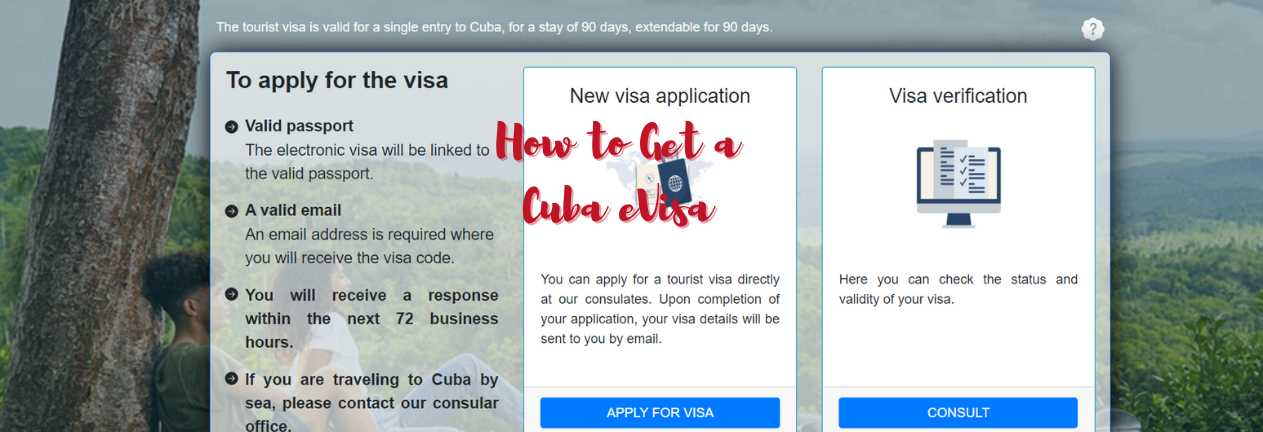
Cuba launched its online visa application system in July 2024, and the system became the center of entry planning as the rules tightened. Cuba made electronic visas mandatory from July 1, 2025, while physical tourist cards were extended through December 31, 2025. That staged change explains why so many travelers ran into confusion in the transition period, and why, in 2026, the eVisa is the cleanest way to think about entry.
Applicants can apply online through the official Cuban eVisa portal and receive visa details by email. That is the operational shift travelers need to build around now: you no longer want to assume visa paperwork will be handled at the airport or tucked into a last-minute package. The digital flow makes the process faster on paper, but it also means your approval, email access, and trip dates need to be organized well before departure.
What the $85 price and same-day processing really mean
Cuba Visa Services lists official Cuban eVisas starting at $85 and offers same-day processing. For a traveler trying to price a Cuba trip before buying flights or locking in a hotel, that starting point matters because it sets a floor for entry costs before you account for lodging, local transport, insurance, and meals. Same-day processing is especially useful for people who realize late that they still need entry paperwork, or for anyone whose departure date is already close.
The company says it has operated under a direct contract with the Cuban Consulate since 1999. It offers visas, accommodation, transfers, tours, dining, and travel insurance.
How to keep the trip OFAC-compliant
The biggest failure point is assuming Cuba works like a normal leisure destination. For U.S.-based travelers, the legal category has to come first, and it has to fit one of OFAC’s 12 authorized buckets. Cultural, educational, family, and other approved reasons can work, but the itinerary needs to support the category you choose, not just the trip you wish you were taking.
A workable pre-booking checklist looks like this:
1. Confirm your authorized travel category under OFAC.
2. Apply for the eVisa through the official Cuban system or a service you trust.
3. Make sure the visa details arrive by email and are saved where you can access them.
4. Book flights and lodging only after the category and visa plan are aligned.
5. Build in insurance, transfers, and enough flexibility for delays.
That sequence matters because a Cuba trip can unravel in a very ordinary way: the flight is booked, the hotel is paid, and the traveler discovers too late that the category is shaky or the visa is missing. The cost of that mistake is not just inconvenience. It can mean changing flights, reworking reservations, or losing money on bookings that were made without the legal structure in place.
Budgeting for the trip you actually have to take
Cuba travel costs are not just about the room rate in Havana or the resort price in Varadero. The visa starts at $85, and that is only the entry piece. Once you add compliant travel planning, insurance, and the possibility of arranging transfers or tours in advance, the trip starts looking less like a spontaneous Caribbean add-on and more like a coordinated project.
In a place where transport, payment reliability, and availability can all be uneven, advance planning reduces friction. If you are trying to keep costs under control, the easiest mistake is booking the visible parts of the trip first and leaving the visa and category compliance for later. In Cuba, that sequence can mean reworking reservations or paying more.
Why logistics matter as much as legality
The State Department’s warning about crime and unreliable electrical power is not an abstract caution. Power-grid failures affect daily life, from hotel backup systems to basic service continuity, and they are part of why Cuba travel needs more planning than a standard beach escape. That is also why services selling compliant itineraries, transfers, and insurance are positioned so heavily in the market.
This article was produced by Prism’s automated news system from verified source data, official records, and press releases, then run through automated quality and moderation checks before publishing. The system is built and supervised by the people who set the standards it runs under. Read our full AI policy.
Did this article answer your question?