Cuba Files ICAO Complaint Accusing U.S. of Jet Fuel Blockade
Cuba told the ICAO Council on Feb. 21 that a January 29 U.S. executive order created a "total blockade of fuel supplies to Cuba," citing Jet A-1 shortages that forced diversions and cancellations.
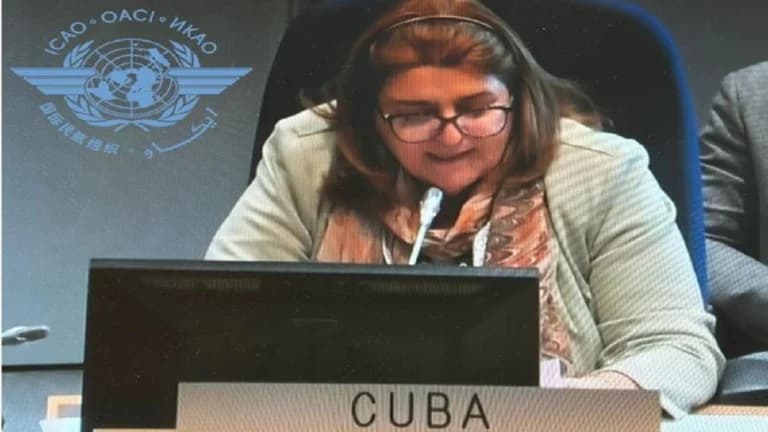
Cuba's delegation to the Council of the International Civil Aviation Organization formally presented a complaint on Feb. 21, 2026, accusing U.S. measures tied to an executive order of Jan. 29 of creating a "total blockade of fuel supplies to Cuba," and asking ICAO to investigate how the measures affect international air transport. The filing frames the action as responsible for immediate operational strain at Cuba's international airports.
Mercedes Vázquez González, who represents the island on this body, told the Council that "[t]his action by the Trump administration has resulted in a lack of Jet A-1 fuel at Cuba’s international airports, leading to diversions, cancellations, and higher costs, while impacting thousands of travelers and the stability of the international aviation system," a statement published by Radio Rebelde attributes to the Cuban representative. The complaint specifically names Jet A-1 fuel and links shortages to passengers and airlines being affected across multiple routes into the island.
Radio Rebelde reported the complaint was filed "based on the executive order issued by the US government on January 29, which has adverse consequences not only for the island, 'but also for airlines, passengers, third countries, and the overall stability of the global aviation system.'" That phrasing is included in the material presented to the ICAO Council and frames Cuba's case as alleging regional and global aviation impacts beyond domestic logistics.
Beyond the Jan. 29 order, source material accompanying the filing references "threats of punitive tariffs" as part of the U.S. measures Cuba says have chilled fuel deliveries. Cuba's submission to ICAO argues these measures "violate both the principles of the Chicago Convention and ICAO resolutions regarding unilateral and extraterritorial actions," a legal claim the Cuban representative advanced during the Feb. 21 presentation.
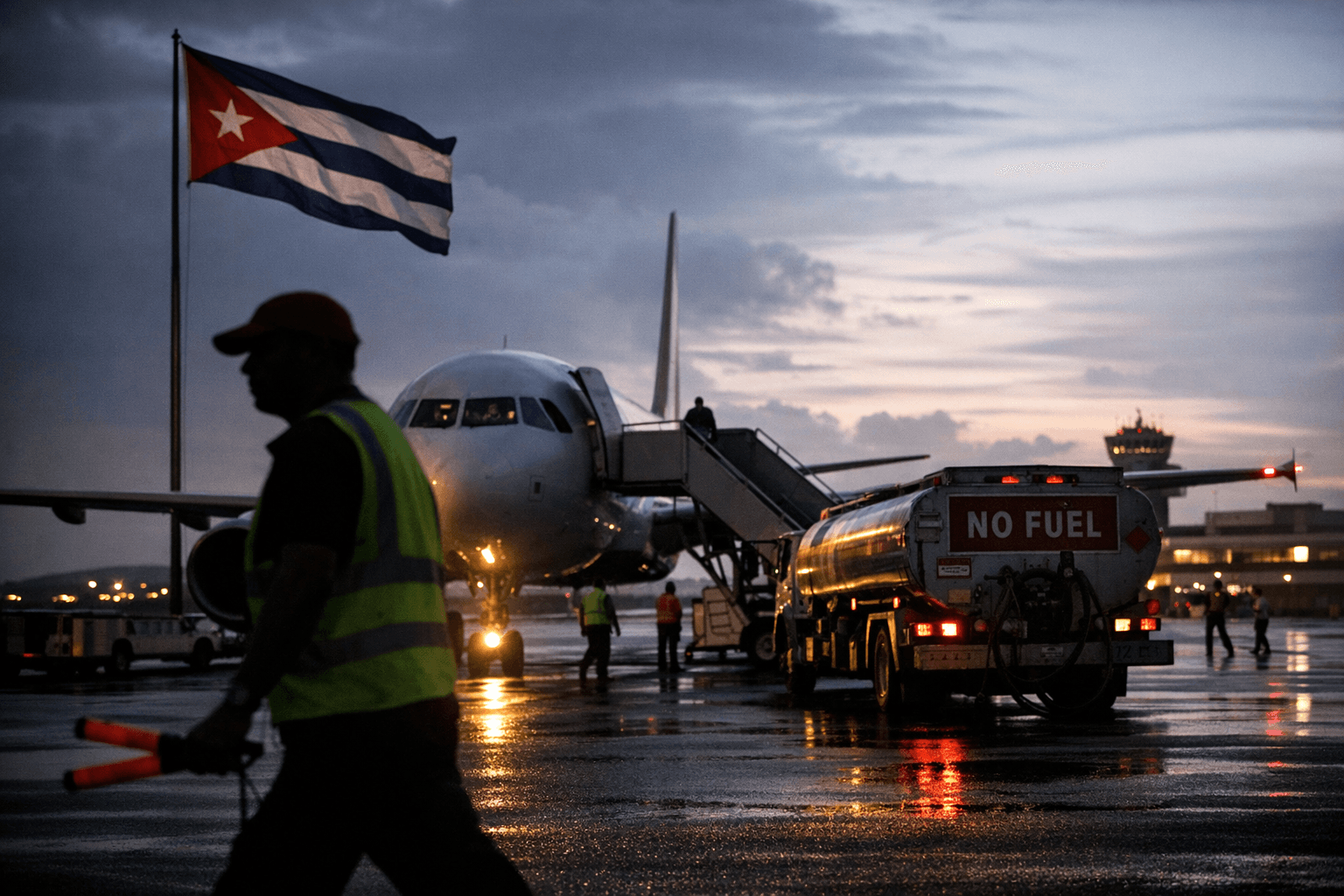
Vázquez González also "asked the Council to include in its Work Program the follow-up to this matter and an investigation into how these measures affect international air transport," according to Radio Rebelde. The complaint text and the council minutes for the Feb. 21 session have not yet been released publicly, and the filing does not name specific airlines or list exact figures beyond the description of "thousands of travelers."
Radio Rebelde credited teleSUR as a source and published a photo of Mercedes Vázquez González with a Cubaminrex image credit. Cuba's complaint sets a clear agenda item for ICAO: formal review and investigation of whether the Jan. 29 executive order and related actions amount to an extraterritorial blockade of jet fuel supplies - a claim that, if accepted by the Council, would trigger requests for documents and responses from the U.S. and third-party carriers.
Know something we missed? Have a correction or additional information?
Submit a Tip