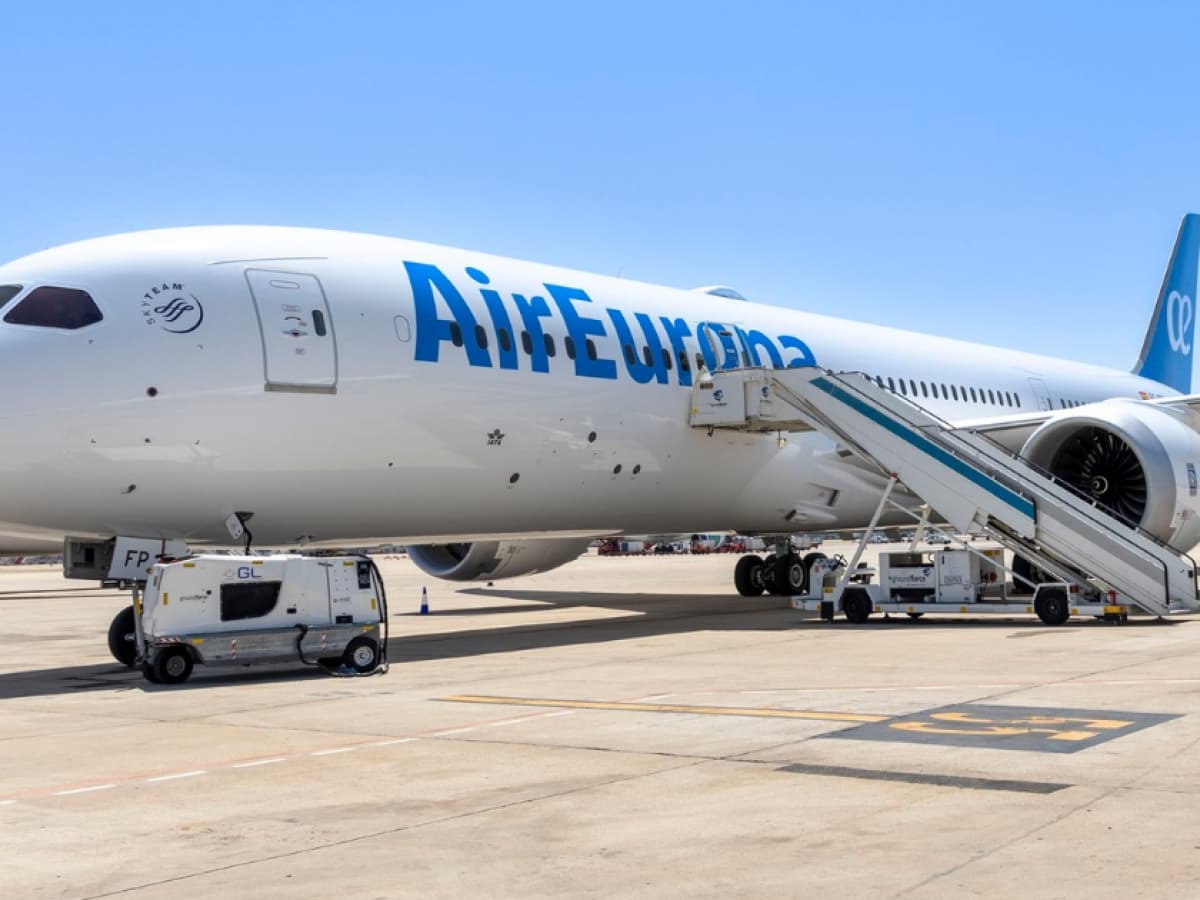
Cuba fuel shortage deepens, travel disruption spreads across the island
Diesel and fuel oil are gone, Havana blackouts now stretch past 20 hours, and Cuba’s resort zones are already closing and relocating tourists.
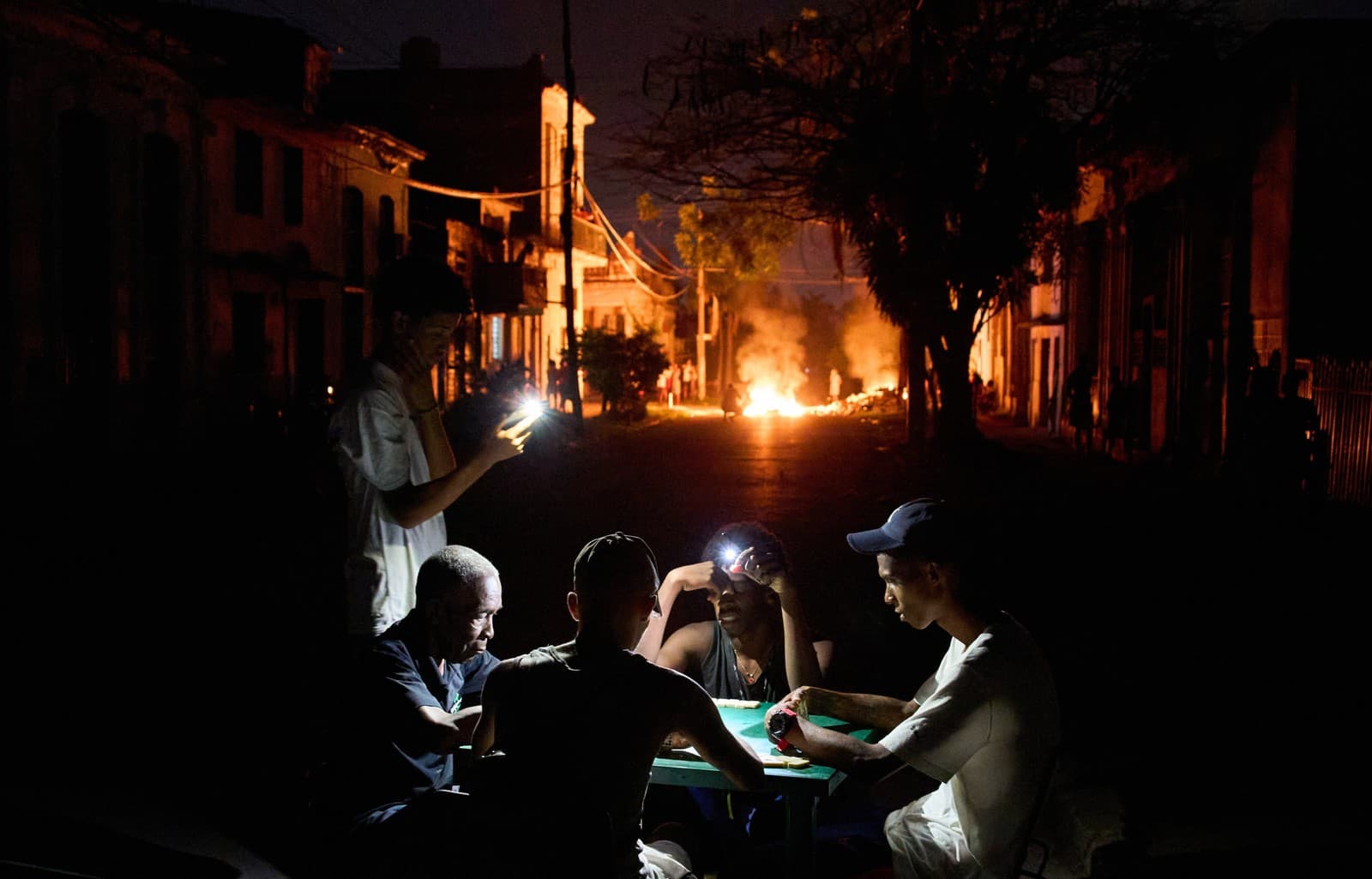
Cuba’s fuel shortage has crossed from an energy problem into a travel risk that can hit the trip at every step, from the airport transfer to the hotel generator. Reporting on May 14 said the island had run out of diesel and fuel oil, while blackouts in Havana were stretching 20 to 22 hours in some areas. That matters far beyond lights and air-conditioning: when fuel disappears, buses, taxis, excursion operators, and emergency back-up systems all become harder to count on.
The U.S. Department of State updated its Cuba travel advisory on May 7, 2025, warning that electrical supply is unreliable and that scheduled and unscheduled outages in Havana can last up to 12 hours a day, with longer cuts outside the capital. It also warned that hotels, hospitals, and other institutions may struggle to keep generators running because fuel is scarce. For travel sellers and insurers, that is the key operational problem. A destination that cannot reliably power rooms, transport guests, or support emergency response becomes harder to sell, harder to service, and harder to underwrite.
The strain is already reaching the resort economy. On February 7, 2026, Cuban authorities began closing some hotels and relocating international tourists as part of a tourism compaction plan meant to reduce energy use and concentrate scarce resources. The biggest impact fell on Varadero and the northern cays, where a tourism worker said staff were being rotated on seven-days-on, seven-days-off schedules because of the fuel shortage. That is a direct warning sign for travelers who are booking package stays, inter-island transfers, or fixed-date excursions that depend on hotel operations running normally.
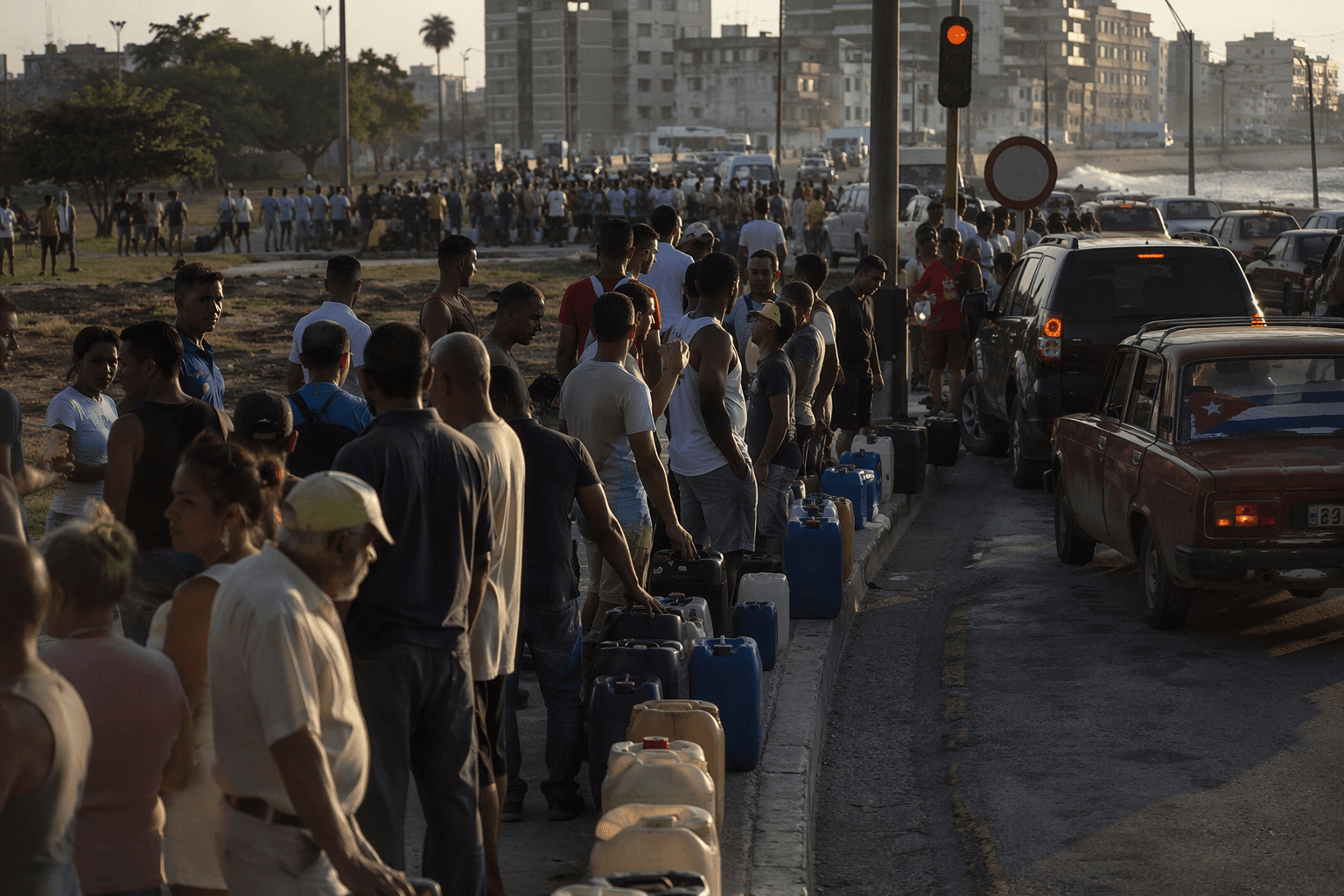
Cuba’s tourism numbers show how fragile the sector already was before the latest shortages deepened. The country received 2.2 million international visitors in 2024, the lowest total in about two decades and well below the government’s target. In 2025, arrivals fell again to 1.8 million, down 17.8 percent from 2024. Then came another island-wide blackout on March 17, 2026, the third major outage in four months, as Miguel Díaz-Canel said Cuba had not received oil shipments in more than three months. By May 18, blackouts in parts of Havana were lasting more than 20 hours, fuel oil reserves and diesel were gone, and telecommunications were also affected. What began as a power crisis is now touching the whole tourist product, and the disruption is spreading faster than the island can absorb it.
Know something we missed? Have a correction or additional information?
Submit a Tip