Rubio warns Cuba crisis could trigger migration, instability near US
Rubio cast Cuba’s crisis as a U.S. security threat, warning that collapse could drive migration, violence and instability just 90 miles from Key West.
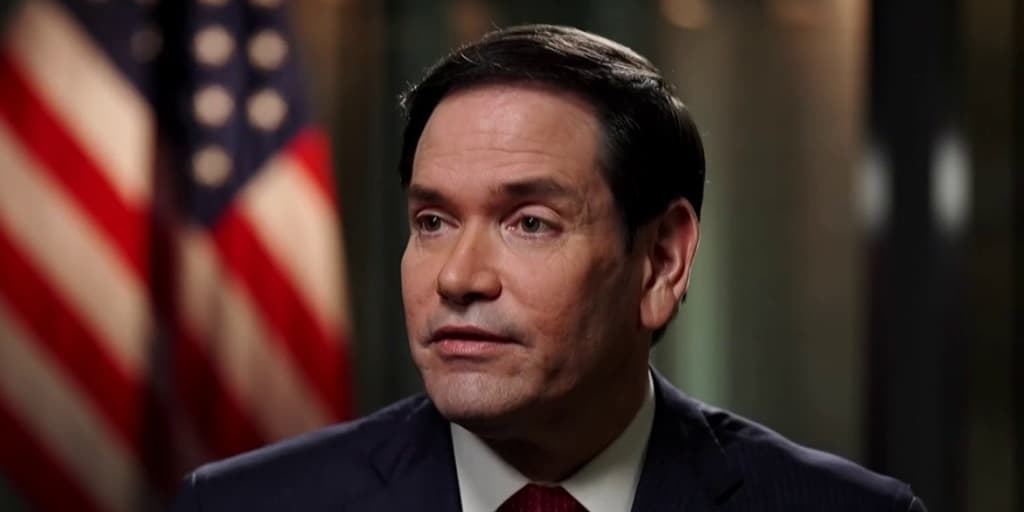
Marco Rubio cast Cuba’s worsening crisis as a direct risk to the United States, warning that any systemic collapse on the island could send migration, violence and instability toward Florida. He framed the island’s future as belonging to the Cuban people, but said U.S. national security remained the top concern as Washington watches events unfold just 90 miles from Key West and about a one-hour flight from Miami.
The warning landed after a sharp escalation in pressure on Havana. Donald Trump issued Executive Order 14404 on May 1, and the State Department followed on May 8 with sanctions aimed at Cuba’s military-linked GAESA, its president Ania Guillermina Lastres Morera, Moa Nickel S.A., 12 Cuban officials, seven military and security entities, and three vessels. The measures were presented as part of a broader push to protect U.S. national security and foreign policy interests, and they underscored how quickly Cuba policy has shifted from rhetoric to sanctions.
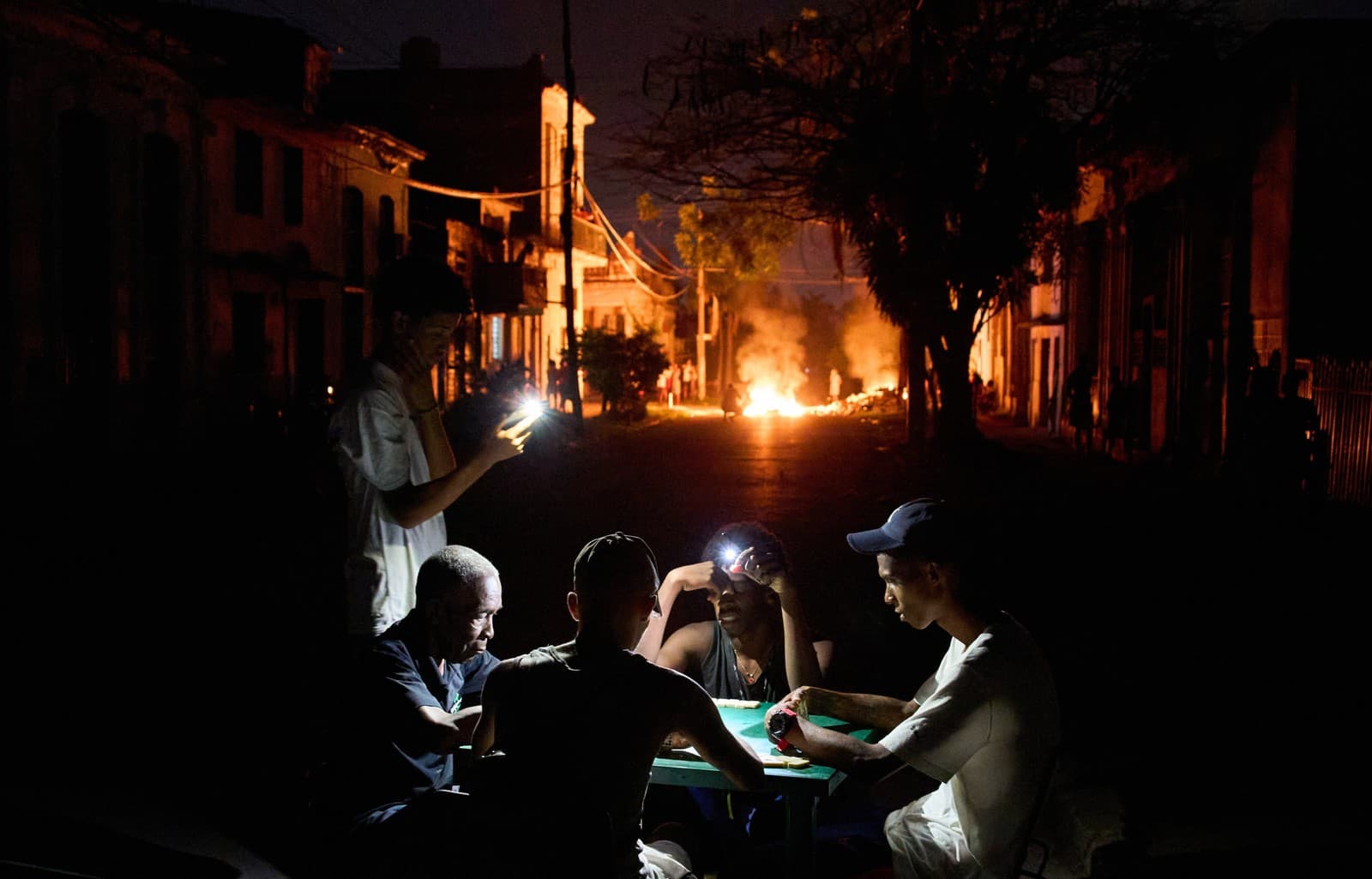
Rubio then addressed Cubans in a video message on May 20, saying the United States was ready to open a new relationship and offering $100 million in direct assistance if the Cuban government would allow it. He blamed Cuba’s leaders for shortages of electricity, food and fuel, putting the island’s economic breakdown at the center of his argument. The message came as Cuba faced deepening fuel shortages and some of the worst rolling blackouts in decades, with protests breaking out in Havana as diesel and fuel oil ran out.
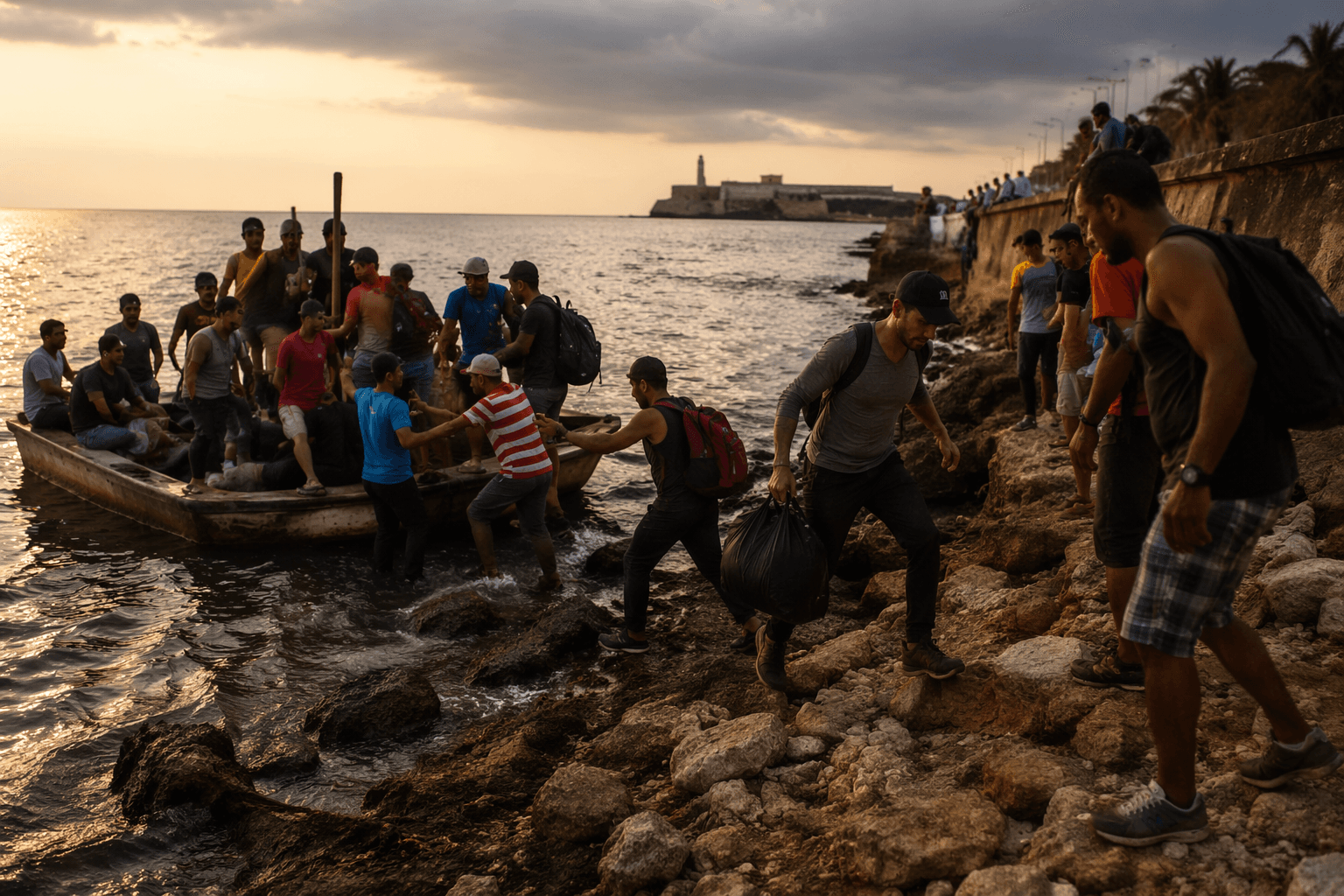
That combination of shortages, unrest and pressure from Washington has revived old fears in both capitals about a new outward flow of Cubans. U.S. officials and analysts have long pointed to the Mariel boatlift of 1980 and the 1994 balsero crisis as reminders of how quickly a crisis in Cuba can spill into South Florida and the Caribbean. For border security officials, maritime interdictions and regional stability are never far from the conversation when Havana enters a sharper period of instability.
Cuban officials have pushed back hard. Bruno Rodríguez said Cuba was not a threat to U.S. national security and called U.S. threats dangerous. Miguel Díaz-Canel warned that any U.S. military attack would trigger a bloodbath. Rare talks in Havana in April were described by Cuba as respectful and professional, but Rubio’s latest warning shows how fragile that opening remains. With sanctions tightening and shortages worsening, the bigger question is no longer whether Washington is paying attention, but whether pressure on Havana is setting up the next crisis at sea.
Know something we missed? Have a correction or additional information?
Submit a Tip