Díaz-Balart says Cuba sanctions end only with political freedoms, elections
Díaz-Balart said sanctions will stay until Cuba frees political prisoners, restores basic freedoms and holds real elections, leaving little room for near-term relief.
Sanctions on Cuba will not come off simply because Havana announces another release of detainees, Rep. Mario Díaz-Balart said, drawing a hard line around the conditions he necessary before any rollback. He tied the end of U.S. sanctions to freeing political prisoners, respecting freedoms such as the press and unions, and holding democratic elections, while challenging critics over which rights Cubans supposedly do not deserve.
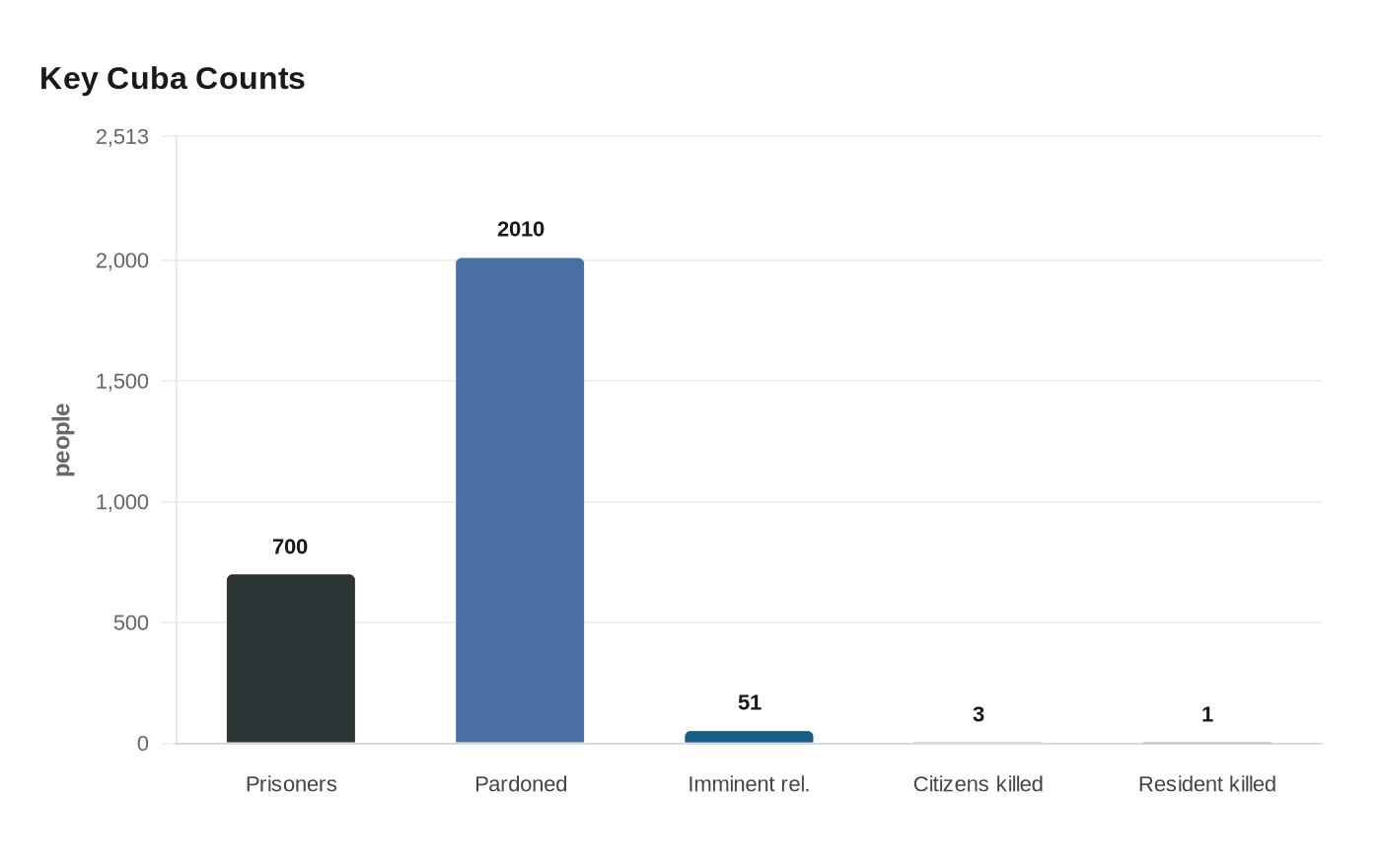
That position sits squarely inside the legal framework built by the Helms-Burton Act, the 1996 Cuban Liberty and Democratic Solidarity law signed by Bill Clinton on March 12, 1996. The measure was pushed in part by Cuba’s February 1996 shootdown of two civilian aircraft in international airspace, an attack that killed three U.S. citizens and one U.S. resident. U.S. Department of State materials say the act allows the president to suspend certain lawsuit provisions for six-month periods only if doing so serves the U.S. national interest and would help speed a transition to democracy in Cuba.
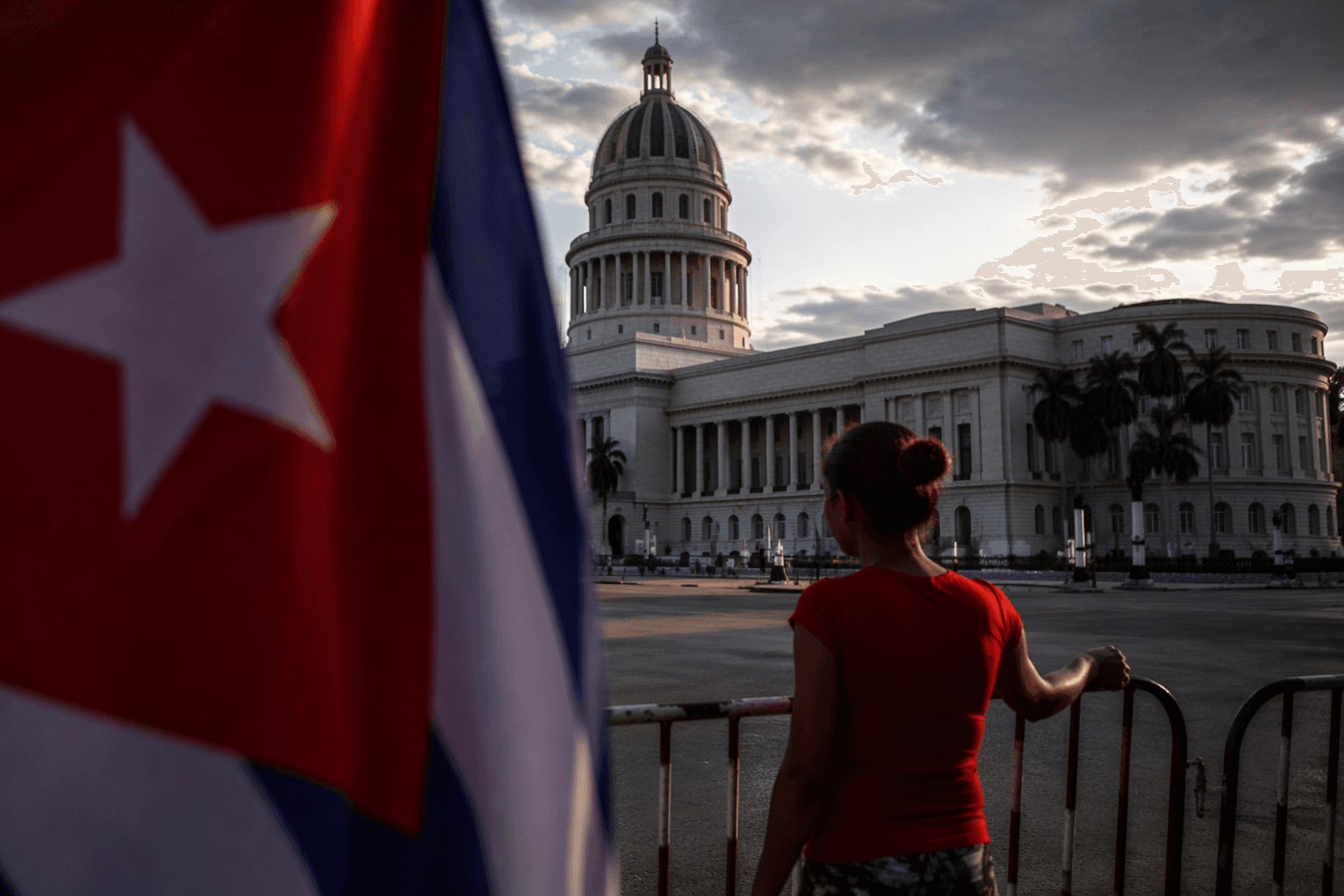
The bigger obstacle is the embargo itself. Congressional Research Service material says it can be lifted only by congressional action or if statutory conditions are met, including that a democratically elected government is in place. In practice, that means no lasting change without a far deeper political shift than a prisoner announcement or a limited reform package.
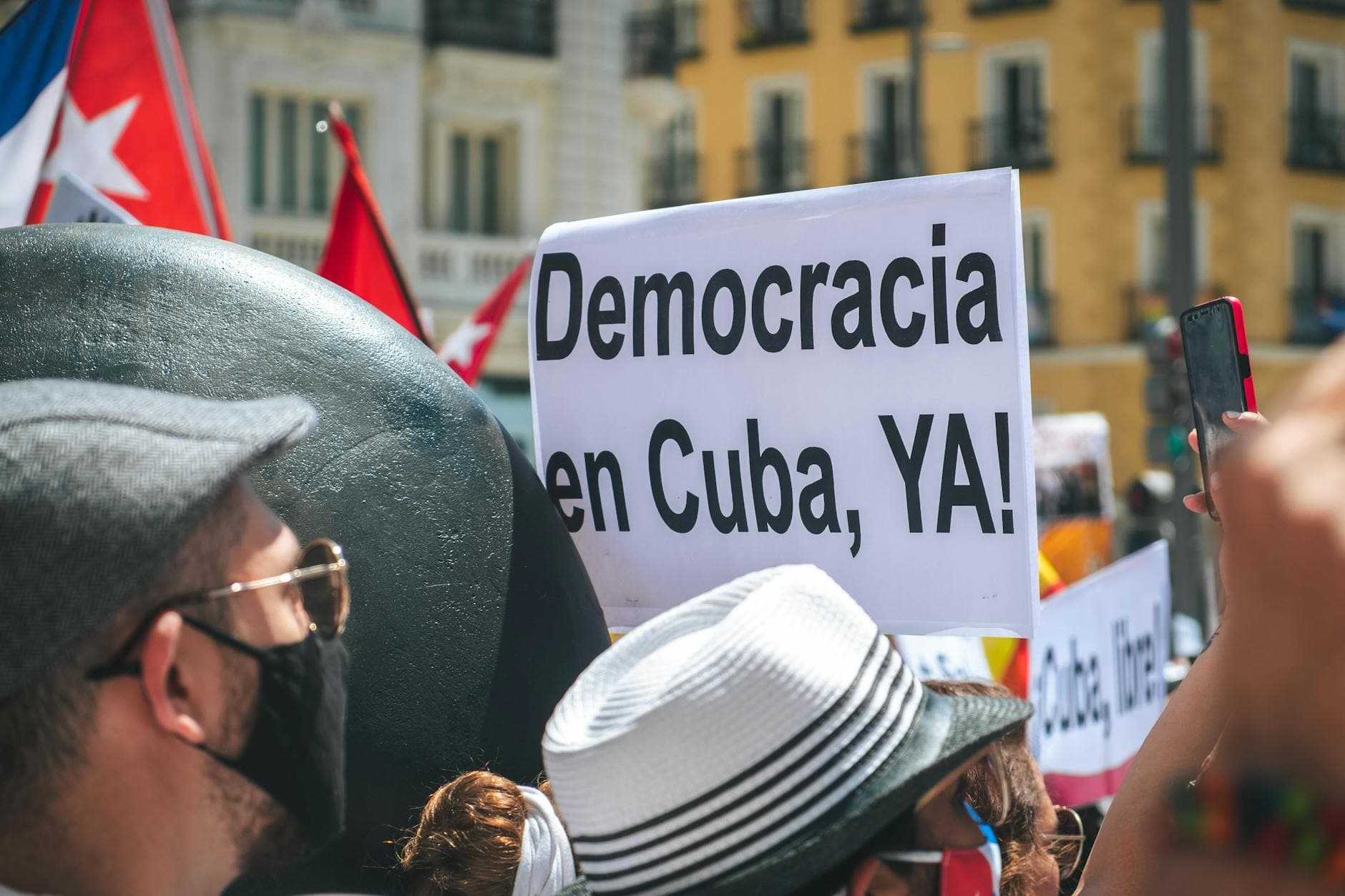
Current rights reporting points in the opposite direction. Human Rights Watch said in April 2026 that more than 700 political prisoners remained behind bars in Cuba, and described the island as a one-party authoritarian state where courts remain subordinate to the executive branch. Human Rights Watch also said critics face arbitrary detention and harassment. Amnesty International said Cuba’s April 2, 2026 pardon of 2,010 people, along with an earlier announcement about the imminent release of 51 detainees, lacked transparency and did not guarantee a full release or genuine respect for rights.
For Cuba families, travelers, and anyone planning around remittances or broader island ties, Díaz-Balart’s stance signals little near-term change. The message is not about a coming thaw, but about a threshold that Havana has not crossed: political prisoners out, basic freedoms in place, and elections that are actually democratic. Until those conditions are met, the sanctions architecture remains firmly in place.
Know something we missed? Have a correction or additional information?
Submit a Tip

