Cubans rally outside U.S. embassy over Raúl Castro indictment
Thousands gathered outside the U.S. embassy in Havana to denounce the indictment of Raúl Castro, turning the street into a fast-moving test of the Cuban state’s mobilization power.

Thousands of Cubans packed the area in front of the U.S. embassy in Havana on Friday morning, May 22, 2026, in a scene that looked less like a loose outpouring of anger than a carefully staged display of force. The crowd came to denounce the U.S. decision to indict former president Raúl Castro over the 1996 shootdown of two civilian planes, and the timing placed the rally squarely on Cuba’s Independence Day calendar, when symbolism carries as much weight as the slogans.
The gathering was a blunt counter-message to Washington at a moment when relations had already been driven to a new low by sanctions, threats of military action and a widening pressure campaign from the Trump administration. Havana framed the indictment as an attack on Cuban sovereignty, and the protest gave the government a way to answer legal escalation with mass political theater. The turnout suggested that the state still retains the ability to fill a public space quickly when the message matters, especially when it can tie the moment to the Castro legacy.
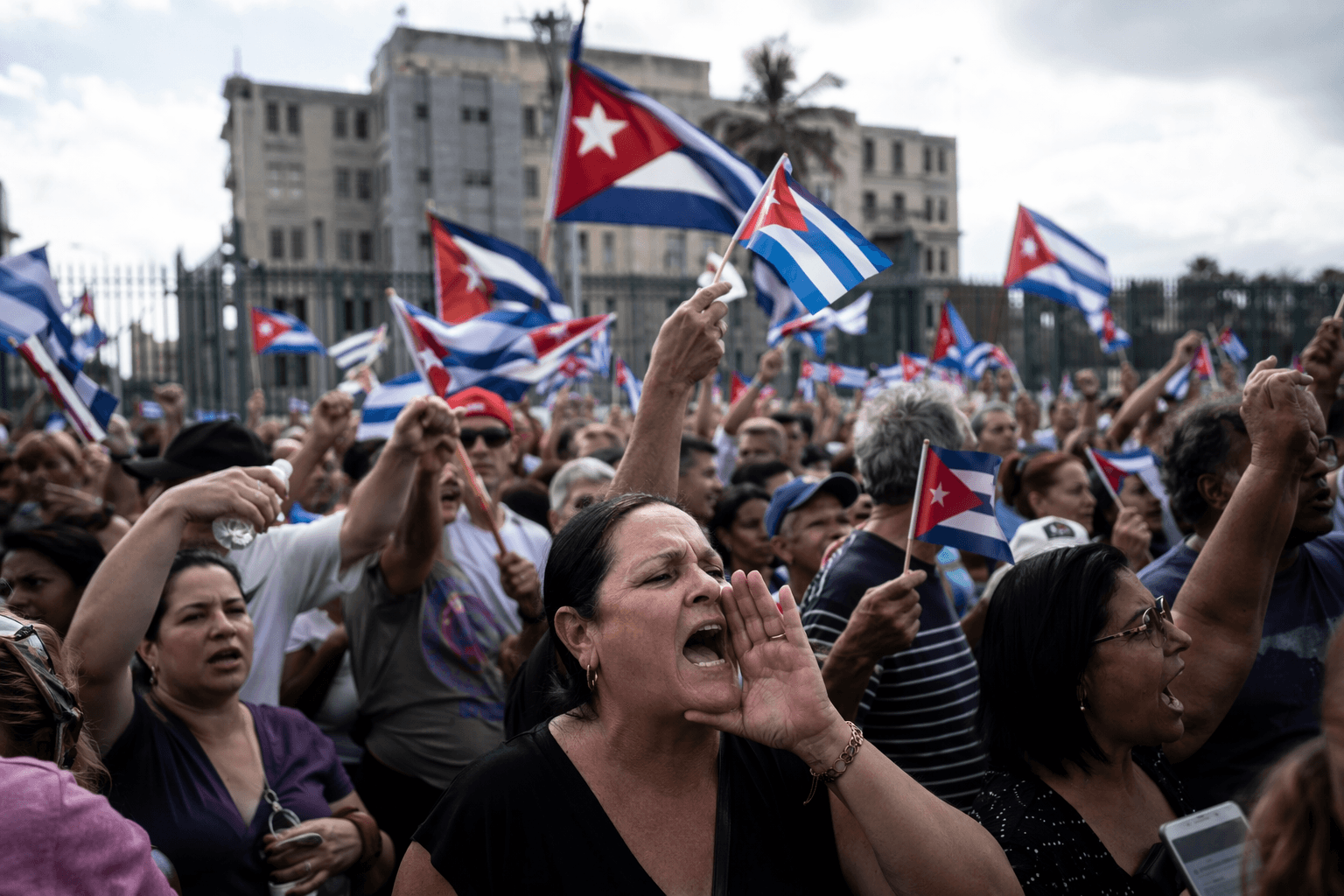
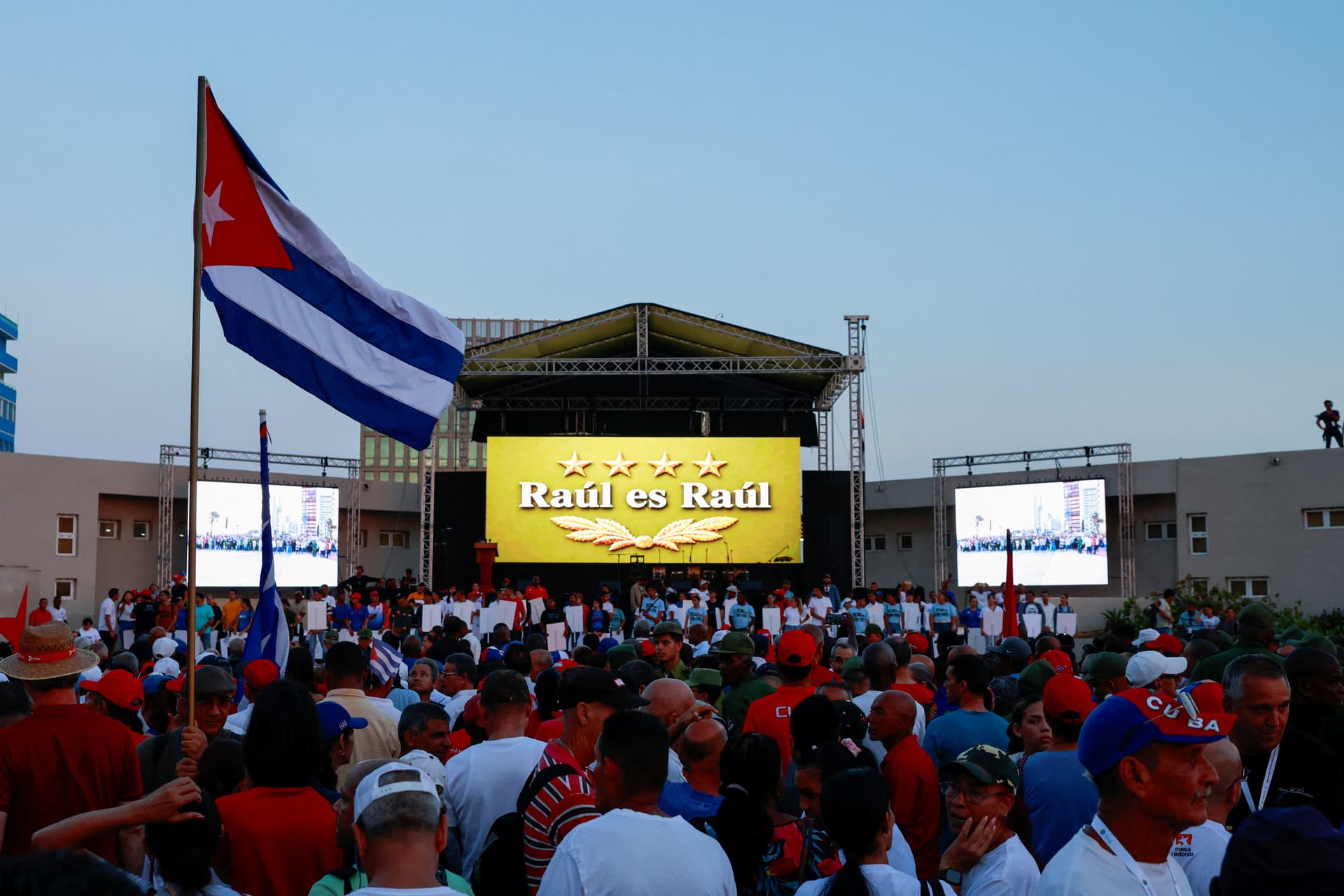
The scene also carried the unmistakable marks of organization. It was large, highly visible and tightly aligned with the official line that Raúl Castro remained a symbol around which the system could rally. At the same time, the scale of the crowd suggested real political heat, not just choreography. In Cuba, those two forces often travel together. A grievance can be genuine, but the state knows how to harness it, amplify it and send it where it wants, especially in a confrontation with the United States.
The 1996 Brothers to the Rescue case still cuts deep in both Havana and the Cuban exile community, and the embassy rally showed how alive that memory remains. For the Cuban government, the shootdown is defended as a matter of airspace and sovereignty. For Washington, it remains a long-delayed accountability issue. That clash gave the protest its edge: it was not simply about one indictment, but about who gets to define the story of Cuban power, Cuban law and the revolution’s legacy.
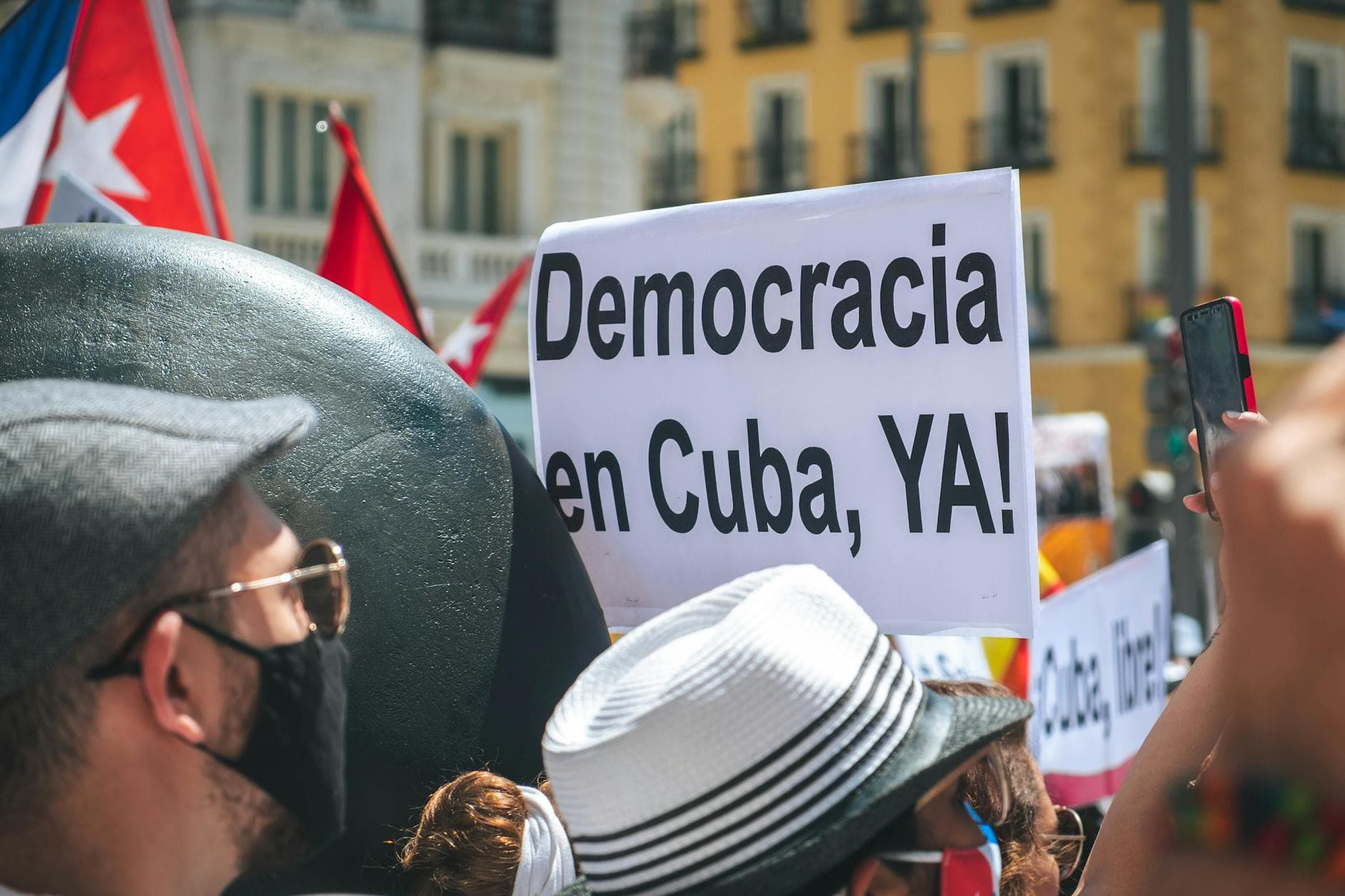
Outside the embassy, the crowd did more than protest a legal move. It showed how quickly the Cuban state can turn a diplomatic crisis into a public show of unity, and how central the Castro name still is when Havana wants to draw a hard line.
Know something we missed? Have a correction or additional information?
Submit a Tip