US arrests sister of Cuban military conglomerate chief, citing threat
The arrest of Adys Lastres Morera pushes Washington’s Cuba fight beyond sanctions and into family networks tied to GAESA. Her green card was revoked and ICE said her presence threatened U.S. foreign policy.
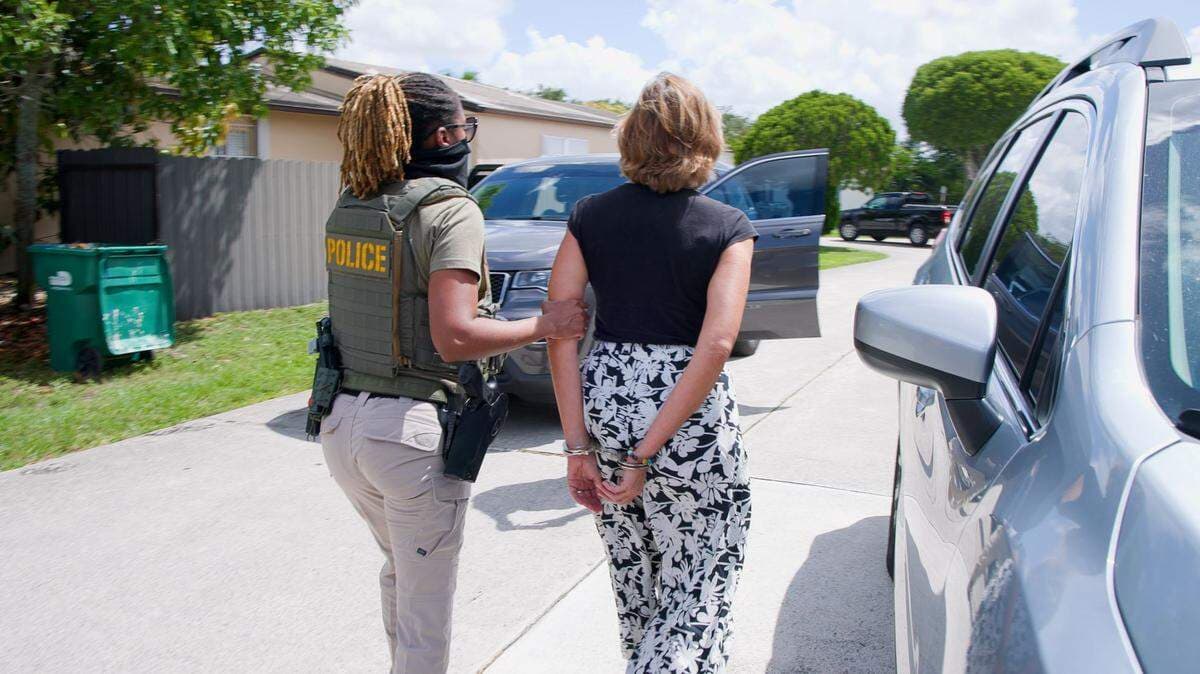
The arrest of Adys Lastres Morera shows how far Washington is prepared to reach into GAESA’s orbit, turning a family tie to Cuba’s military business empire into an immigration case with foreign-policy consequences. Morera, the sister of GAESA executive president Ania Guillermina Lastres Morera, had her lawful permanent resident status terminated and was taken into ICE custody.
The State Department said Morera’s green card was ended on May 21, 2026, and ICE said she entered the United States on January 13, 2023, under the Biden administration. ICE also said it had not identified records showing that she had applied for naturalized U.S. citizenship or a U.S. passport. Officials said her presence could have “serious adverse foreign policy consequences,” and the government moved to place her into removal proceedings under immigration law.

The case lands in the middle of a broader push against GAESA, the opaque conglomerate tied to Cuba’s armed forces and to the island’s top economic and political elite. The State Department designated GAESA under Executive Order 14404 on May 7, 2026, saying it controlled at least 40 percent of Cuba’s economy. On May 18, it said it was sanctioning 11 regime-aligned actors and three Cuban government bodies, including the Ministry of Interior, the National Revolutionary Police and the Directorate of Intelligence.
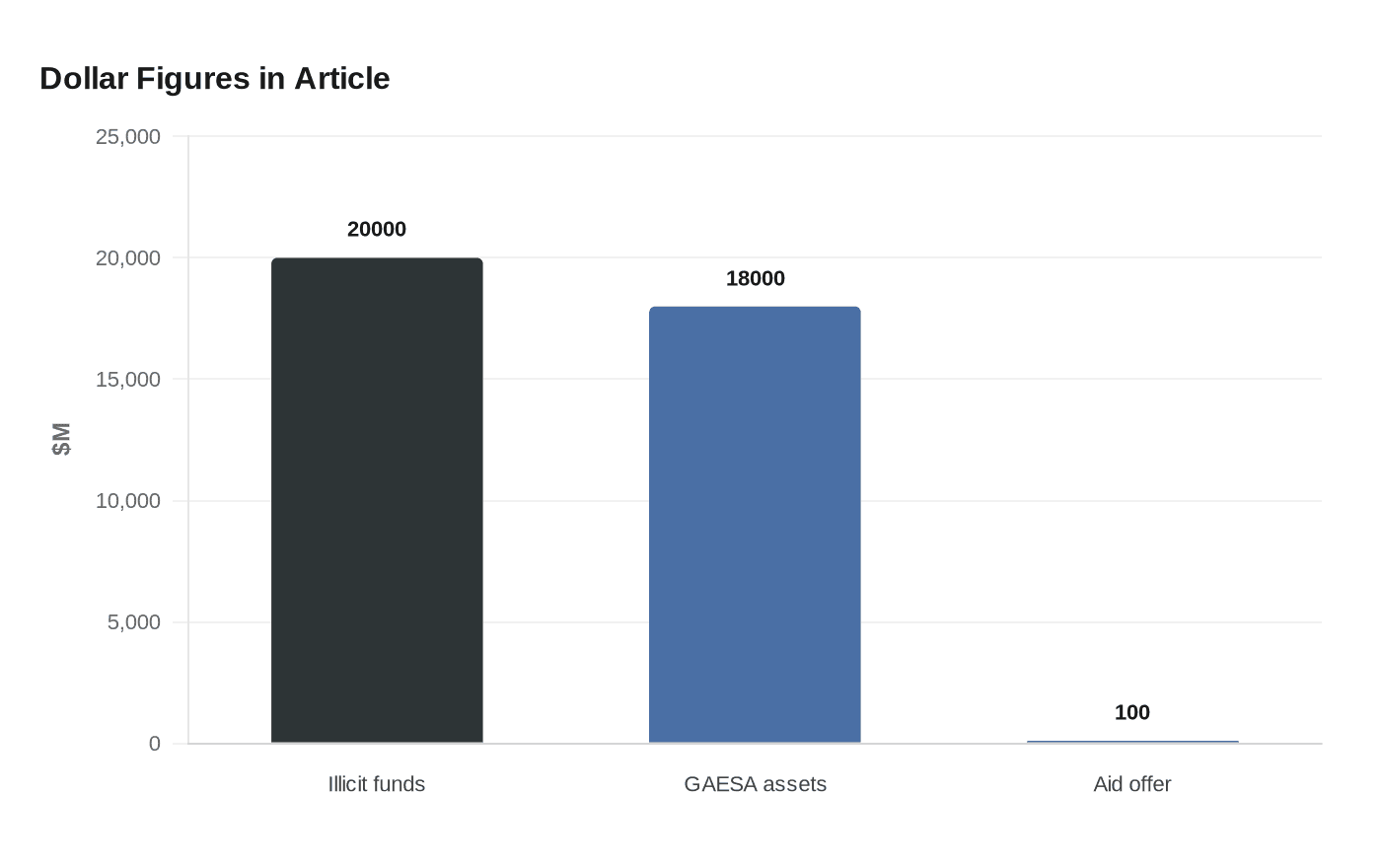
Officials have portrayed GAESA as more than a business network. In the State Department’s telling, it is a financial machine that allows a small circle of elites to plunder resources and hide as much as $20 billion in illicit funds in overseas bank accounts. The department said Ania Guillermina Lastres Morera was sanctioned earlier in May as GAESA’s executive president.

Marco Rubio sharpened that message in a May 20 video to Cubans, saying GAESA generated revenues three times greater than Cuba’s government budget, held $18 billion in assets and controlled 70 percent of the economy. He said the conglomerate profited from hotels, construction, banks, stores and remittances, and called Cuba a “state within the state.”
That pressure is paired with a separate offer from Washington. On May 13, the State Department said the United States was ready to provide $100 million in direct humanitarian assistance to Cubans through the Catholic Church and other reliable independent organizations if Havana would allow it.
Reuters’ broader reporting on GAESA has described a sprawling reach across many of Cuba’s five-star hotels, the Port of Mariel, the top commercial bank, supermarkets, gas stations and remittance businesses, with the Torre K in Havana among its most visible symbols. Against that backdrop, Morera’s arrest looks less like an isolated immigration case than an early sign that the U.S. is willing to follow the GAESA trail into relatives, residents and anyone else connected to the system’s inner circle.
Know something we missed? Have a correction or additional information?
Submit a Tip

