Supreme Court revives $440 million Cuba dock judgments against cruise lines
The Supreme Court revived $440 million in Cuba dock judgments, exposing cruise lines to new liability for using Havana port facilities tied to confiscation claims.

The Supreme Court’s 8-1 ruling instantly raised the legal and financial stakes for companies that did business in Cuba through property tied to pre-revolution claims. By reviving $440 million in judgments against Carnival Corporation, Norwegian Cruise Line Holdings Ltd., Royal Caribbean Cruises Ltd., and MSC Cruises S.A., the justices kept alive a case that could shape the next wave of Cuba-related tourism and investment litigation.
Justice Clarence Thomas wrote for the majority in Havana Docks Corp. v. Royal Caribbean Cruises, Ltd., decided May 21, 2026 after oral argument on February 23, 2026. The Court set aside a lower court ruling that had thrown out the claims and left intact Havana Docks Corporation’s argument that the cruise lines used Havana port facilities that had been confiscated after Fidel Castro came to power in 1959. The Court’s syllabus says Havana Docks acquired a usufructuary concession in 1928, that the concession was set to expire in 2004, and that Cuba took the docks without compensation. It also notes that Havana Docks filed a claim with the Foreign Claims Settlement Commission, which certified about $9 million in losses plus 6% annual interest.
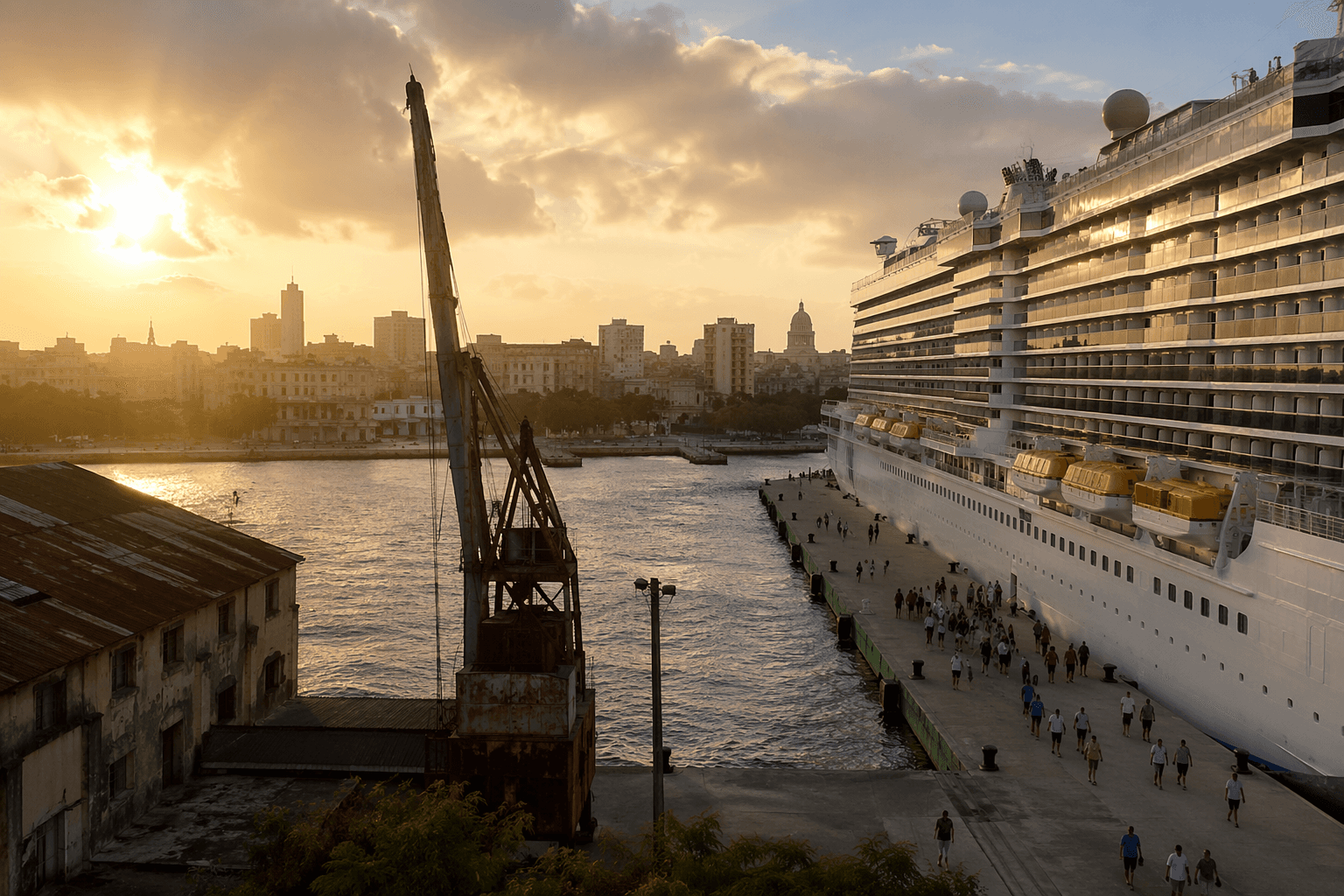
The practical impact reaches far beyond one dock dispute. The Supreme Court said the four cruise lines transported nearly one million paid passengers to Cuba between 2016 and 2019 using the Havana docks, a detail that helps explain why the judgments grew so large and why the industry is watching this case so closely. Title III of the Helms-Burton Act gives U.S. nationals a private right of action over property confiscated by Cuba on or after January 1, 1959, and the law was effectively dormant for years while presidents from Clinton through Barack Obama kept that lawsuit provision suspended. Donald Trump let that suspension lapse in May 2019, opening the door to a new round of suits against Cuban state entities and foreign companies.
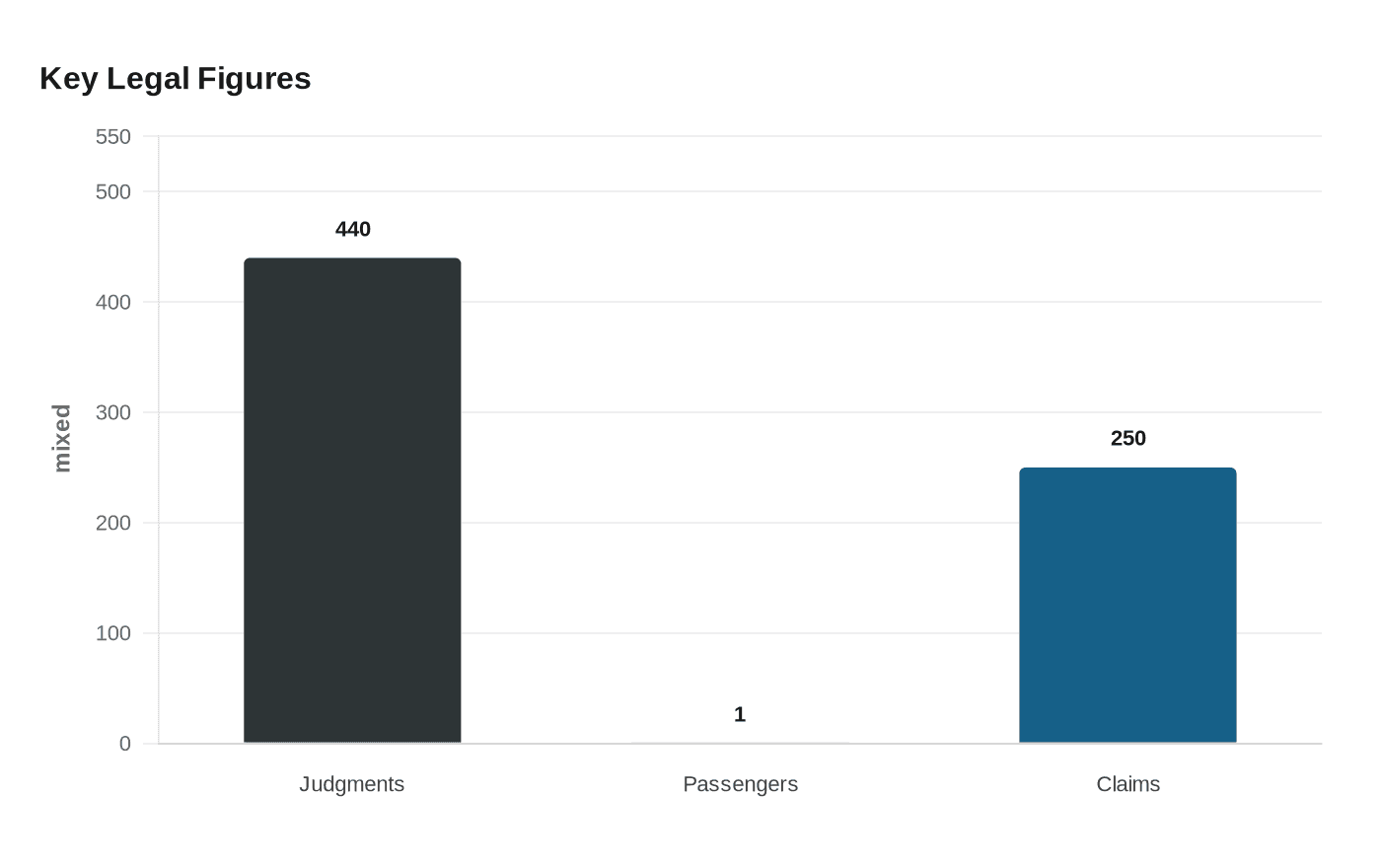
The timing also underscores the political pressure around Cuba business. The State Department’s May 15, 2026 report to Congress said it was reviewing five possible trafficking instances, had already sent one advisory letter, and had identified 250 certified claims involving confiscated real property that are being mapped for possible trafficking review. For cruise lines, hotel operators, port users, and investors, the message is blunt: commercial use of Cuban infrastructure that can be traced to confiscated property now carries a fresh legal overhang, and the Havana docks case shows how old claims can still return with nine-figure consequences.
Know something we missed? Have a correction or additional information?
Submit a Tip