Cuba installs 5,000 Chinese solar systems to keep vital services running
Five thousand 2-kilowatt solar kits are being aimed first at clinics, banks and nursing homes, adding about 10 megawatts of off-grid backup, not a cure for Cuba's blackout crisis.
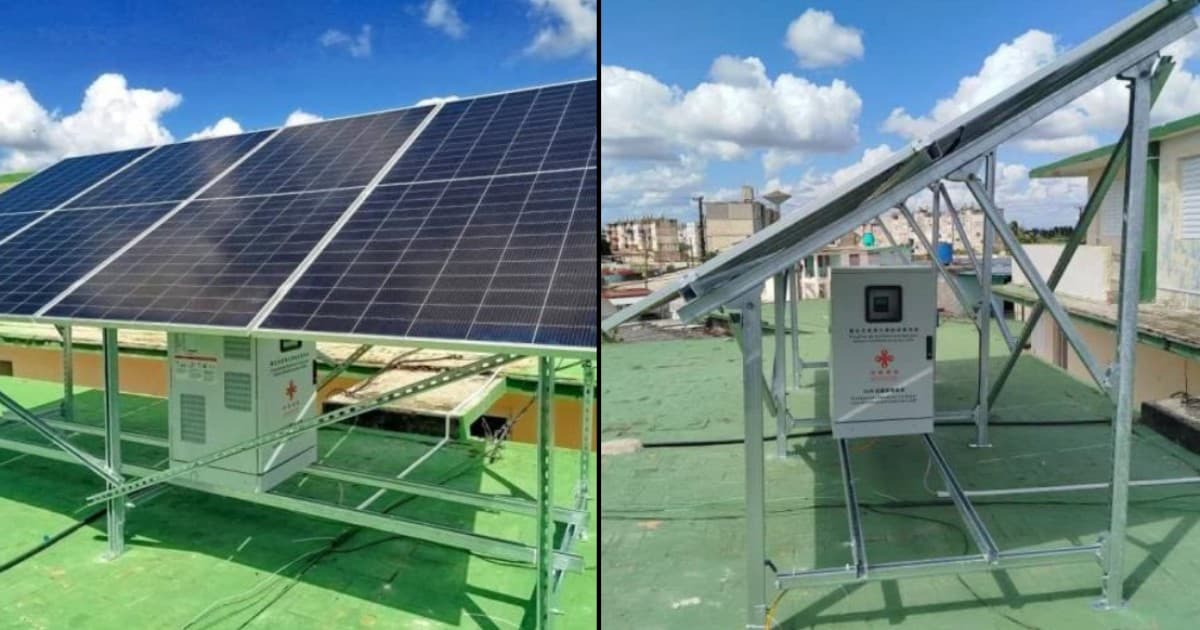
Five thousand small solar systems will not revive Cuba’s grid, but they can keep a maternity home, a polyclinic or a bank branch from going dark when the next blackout hits. The Chinese-donated kits are 2-kilowatt units with panels and batteries, and together they amount to roughly 10 megawatts of isolated backup power, a lifeline for essential services rather than a fix for the island’s wider energy collapse.
The first 2,671 systems are going to critical public facilities in every municipality. That list reaches deep into daily life: maternity homes, nursing homes, senior centers, polyclinics, funeral homes, bank branches, municipal radio stations, communications facilities and utility offices. The other 2,329 systems are headed to isolated homes, including some of the so-called zero-volt homes that have never had electricity or that sit in places where fuel deliveries are irregular or impossible.
The shipment reached the Mariel Container Terminal in November 2025, with Chinese ambassador Hua Xin and senior Cuban officials, including First Vice Minister of Energy and Mines Argelio Jesús Abad Vigoa, present for the handoff. The delivery moved through the China International Development Cooperation Agency, and by March 2, Unión Eléctrica de Cuba, known as UNE, had already installed 114 of the 5,000 systems.
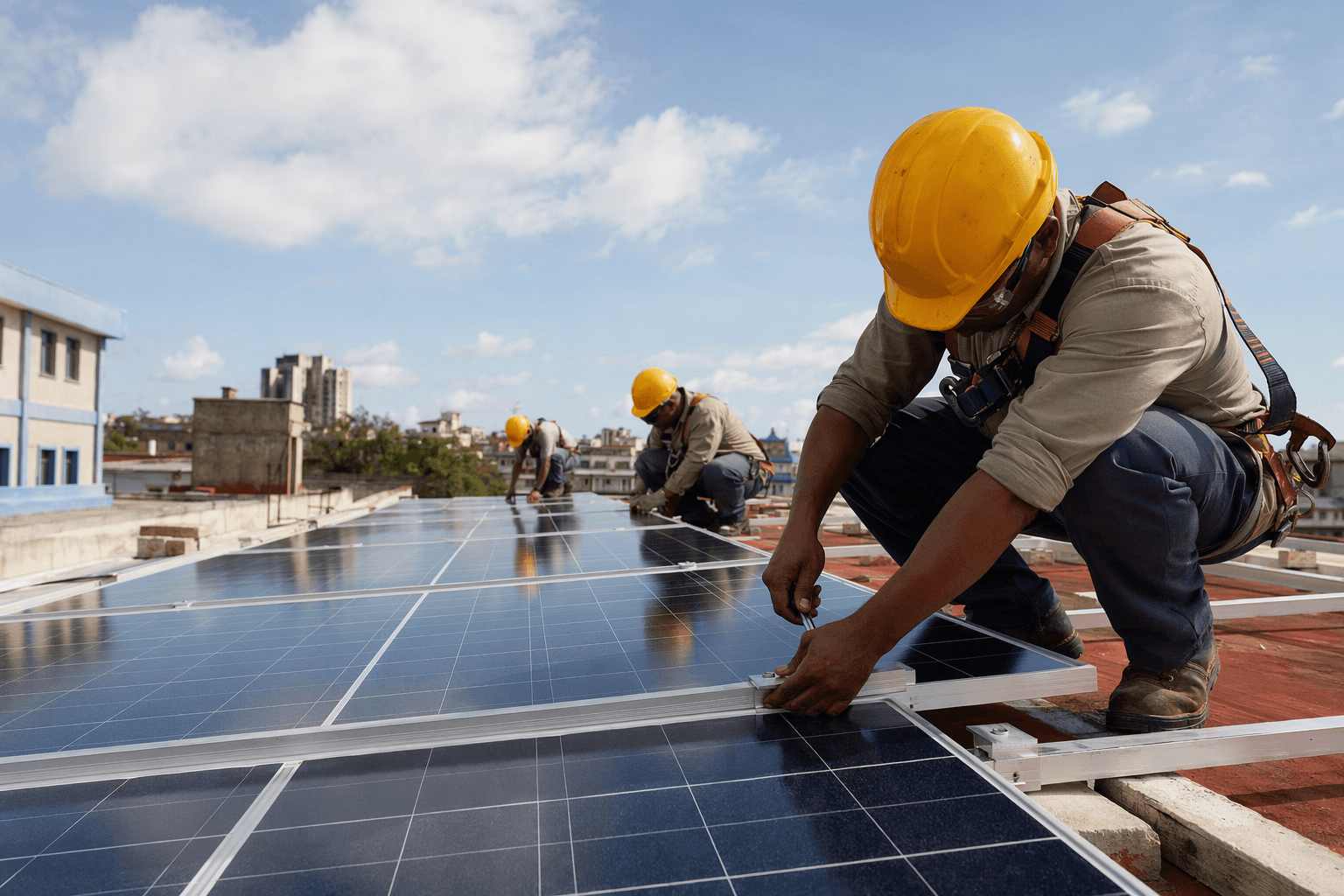
The practical value of the program is in what it protects. A solar kit at a clinic can keep vaccinations moving when the grid fails. At a nursing home, it can preserve lighting, fans and basic care. At a radio station or communications office, it can keep a municipality connected when the central system goes out. UNE has coordinated the rollout with provincial electric companies and local governments, a reminder that even small equipment deliveries are a logistics test in a country where fuel shortages and transport limits complicate every move.
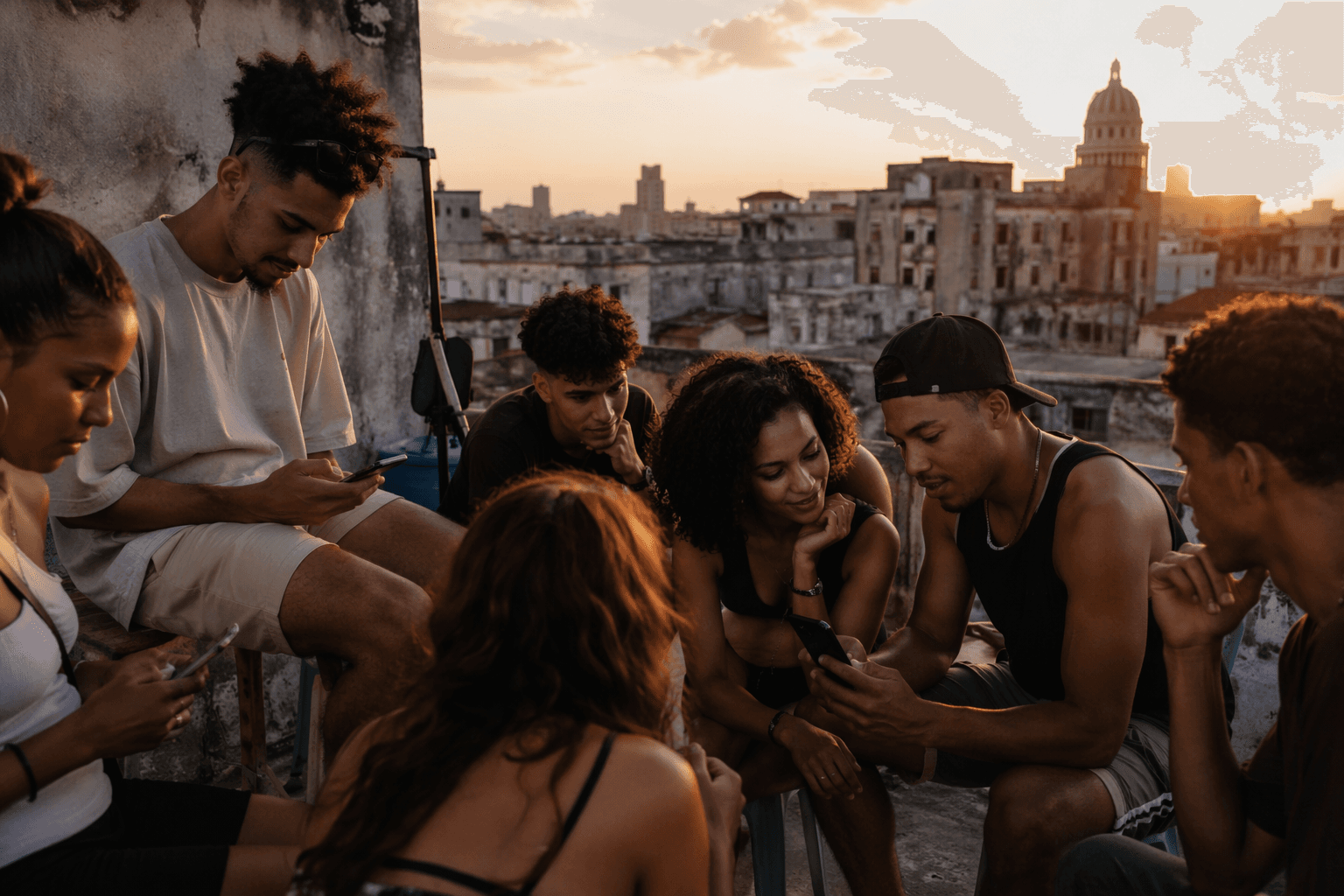
Still, the scale is modest against Cuba’s broader power deficit. A March nationwide blackout left around 10 million people without power, and many households in Havana were enduring 16 or more blackout hours a day. UN-related coverage in April described a worsening humanitarian crisis tied to energy shortages and Hurricane Melissa. Against that backdrop, the 5,000-system donation is a patch, not a remedy: enough to keep selected homes and institutions running, but not enough to noticeably change the blackout map for the country as a whole.
This article was produced by Prism’s automated news system from verified source data, official records, and press releases, then run through automated quality and moderation checks before publishing. The system is built and supervised by the people who set the standards it runs under. Read our full AI policy.
Did this article answer your question?