Rubio says Cuba rejected $100 million U.S. humanitarian aid offer
Rubio said Havana turned down a $100 million aid offer as millions of Cubans faced shortages, putting Church-run relief and state control at the center of the fight.

A rejected $100 million aid offer became the latest flashpoint in the Cuba crisis, with Marco Rubio saying the money could have meant food kits, water-treatment supplies, blankets, solar lanterns and other essentials for families already hit by shortages and storm damage.
Rubio said the Cuban government turned down the humanitarian offer after the issue came up during his meeting with Pope Leo XIV at the Vatican in Vatican City. The State Department said the U.S. had already sent $6 million in aid through Caritas, the Catholic Church agency, and was prepared to do more if the relief could move outside Havana’s control and into church hands.
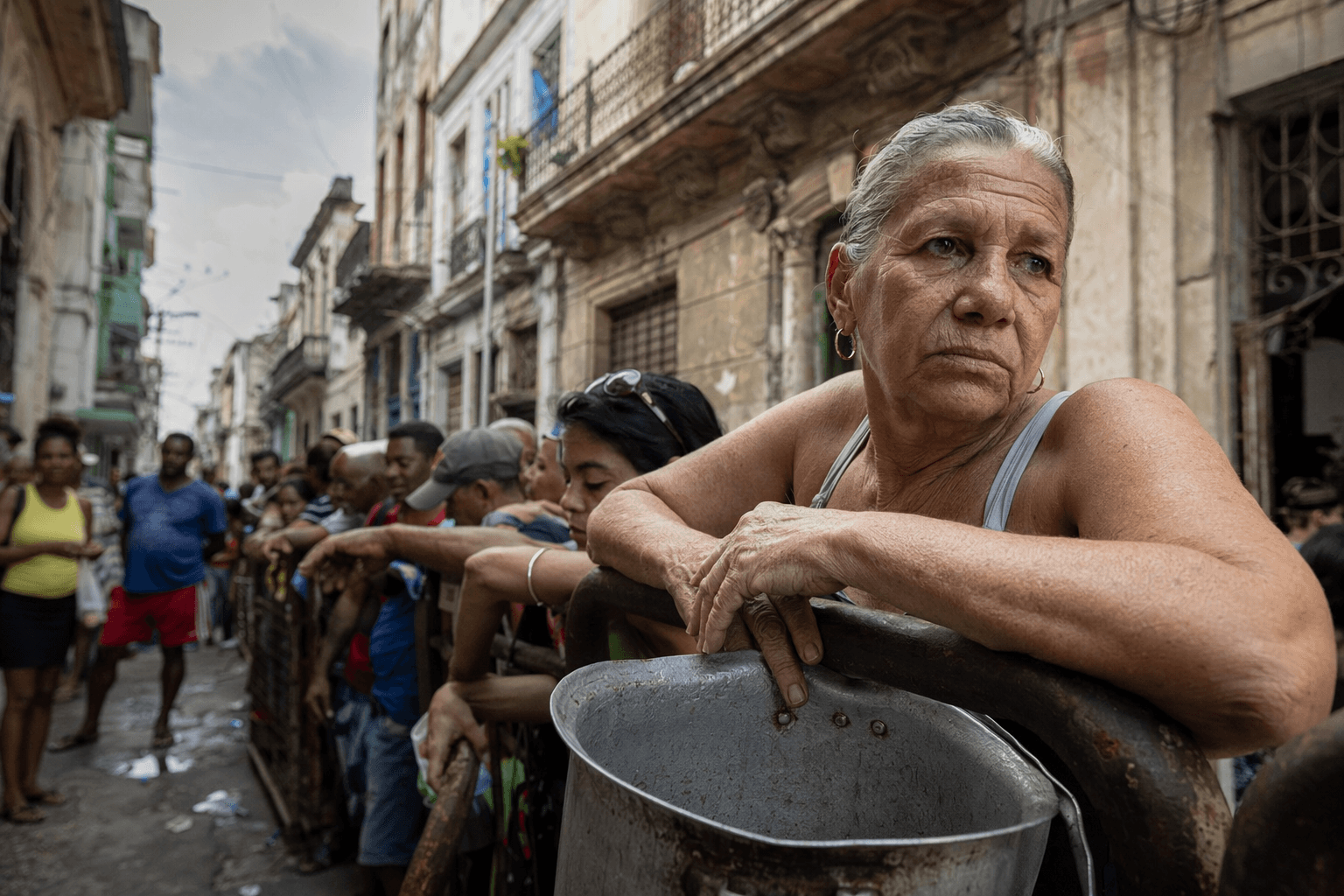
Washington has framed that approach as the only way to get help to ordinary people quickly. On January 14, the State Department announced $3 million in disaster assistance for Cuba, saying the first shipments were intended to reach about 6,000 families, or roughly 24,000 people, in Santiago de Cuba, Holguín, Granma and Guantánamo. Those deliveries were described as including food kits, hygiene and water-treatment kits, kitchen sets, blankets and solar lanterns. On February 5, the State Department announced another $6 million in direct assistance through the same Catholic channel.
The dispute has turned into a broader argument over legitimacy. Rubio portrayed the Cuban regime as the obstacle, while Havana offered a sharply different version. Bruno Rodríguez Parrilla, Cuba’s foreign minister, denied that the $100 million offer existed and accused Washington of inventing the claim. Cuban officials have long argued that U.S. sanctions and pressure, not the government, are the real cause of the island’s suffering.
The stakes are high because the humanitarian picture on the island remains severe. A United Nations appeal in November 2025 said about 2.2 million Cubans were in dire need of assistance after Hurricane Melissa. The International Federation of Red Cross and Red Crescent Societies launched an emergency appeal for 100,000 people affected by the storm and an arbovirus outbreak. In April 2026, United Nations reporting said Cuba’s needs remained acute and persistent, even after a limited oil shipment arrived. The United Nations Office for the Coordination of Humanitarian Affairs said Cuba received its first oil shipment in three months on April 2, a load of 730,000 barrels of crude oil.
An ACAPS briefing said about nine million people were affected by the fuel crisis and shortages of food and medicine. That is the backdrop to the fight over the $100 million offer: not just a diplomatic dispute, but a struggle over whether relief can reach Cubans before politics gets in the way.
This article was produced by Prism’s automated news system from verified source data, official records, and press releases, then run through automated quality and moderation checks before publishing. The system is built and supervised by the people who set the standards it runs under. Read our full AI policy.
Did this article answer your question?