Sherritt nickel shutdown deepens Cuba’s hard-currency crisis
Sherritt’s Moa shutdown strips Cuba of one of its last reliable hard-currency earners just as fuel shortages and blackouts are squeezing daily life.
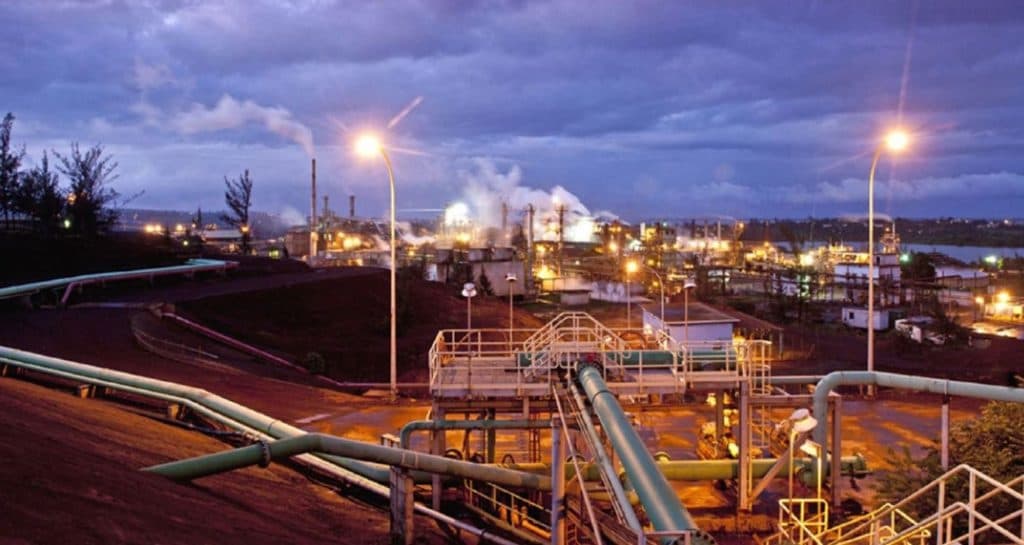
Cuba is losing one of the few industrial engines still capable of bringing in hard currency, and the hit runs far beyond nickel. Sherritt International Corp. said it had reduced operations at its Moa joint venture because fuel supplies in Cuba had tightened, then expected to pause mining within a week and put the processing plant on standby. In a country already short of fuel, foreign currency and steady power, that kind of shutdown does not stay inside the mine gate.
The numbers show why. Sherritt’s 2025 finished nickel output came in at 25,240 tonnes and finished cobalt at 2,728 tonnes, both below its original guidance of 31,000 to 33,000 tonnes of nickel and 3,300 to 3,600 tonnes of cobalt. The company also said lower-than-expected mixed sulphides production at Moa cut feed availability at the refinery. For Cuba, where the Moa complex in Holguín has long been one of the island’s main foreign-invested mining projects, any break in production means less export income, fewer dollars for imports and another blow to a state budget that is already under pressure.
That matters because mining is one of the island’s few sectors still able to generate hard currency at scale. Cuba ranked seventh in global cobalt production in 2023, according to U.S. Geological Survey data, and industry data put it among the world’s top nickel producers. But output has been falling for years, and the latest shutdown comes while the island is already wrestling with repeated electricity blackouts, weak industrial production and chronic shortages of fuel needed to move goods, run factories and keep the system afloat.
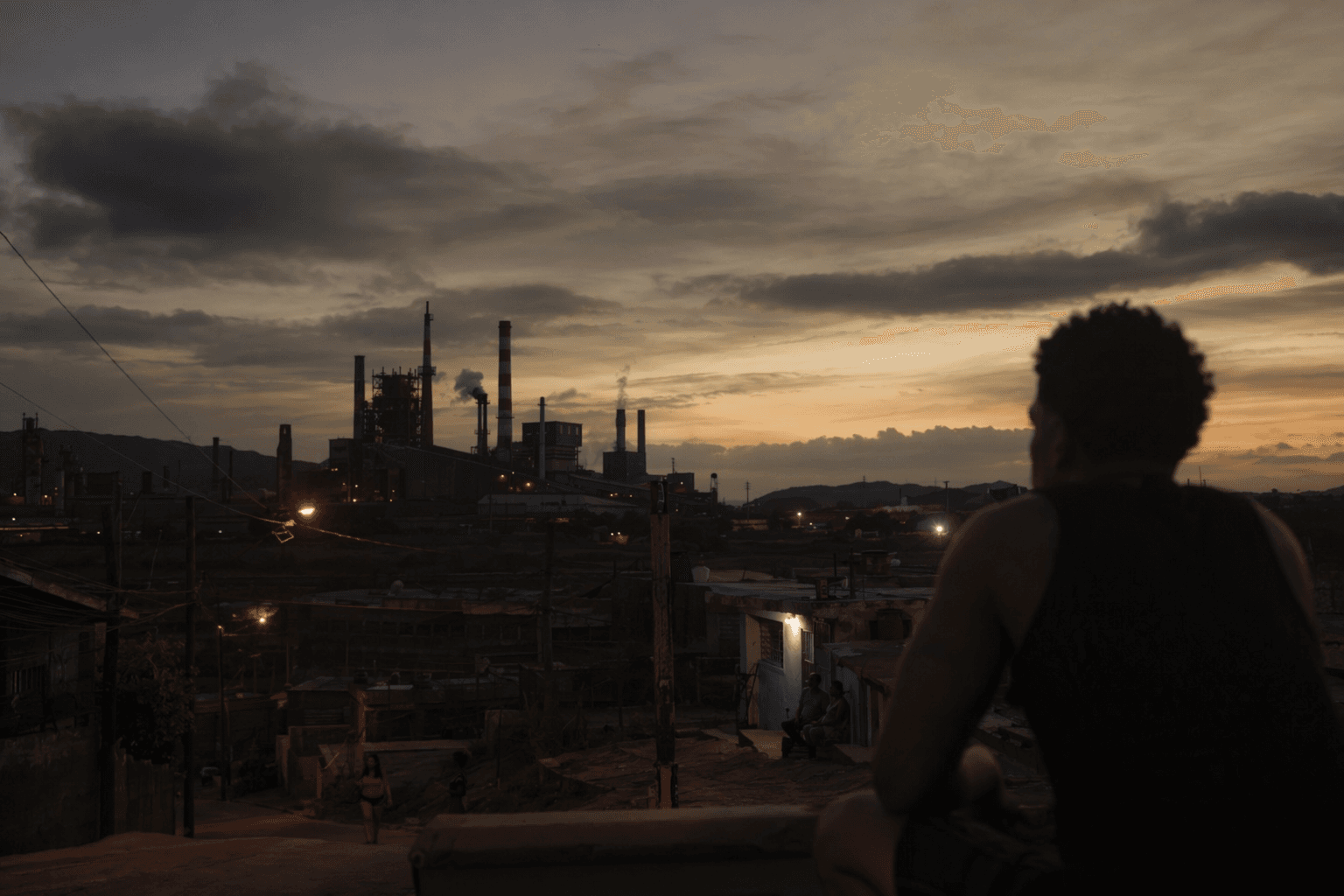
The timing is especially harsh because Washington has widened the sanctions net again. On May 1, President Donald Trump signed Executive Order 14404, expanding sanctions exposure for foreign companies and financial institutions doing Cuba-related business. Three days later, the State Department said GAESA, the military-controlled business conglomerate, controlled an estimated 40 percent or more of Cuba’s economy. Reuters reported that the measures also targeted Moa Nickel S.A., signaling that the pressure now reaches into the mining sector itself and not just the state conglomerate that sits above it.
That makes the risk broader than one Canadian company pulling back from a Cuban joint venture. Foreign firms from mining to hotels to energy are being forced to read the sanctions map more closely, and each retreat leaves Havana with less room to pay for imports, service wages and keep basic systems running. In a year already defined by shortages, the shutdown in Moa looks less like a single operational problem than another drain on Cuba’s hard-currency lifeline.
This article was produced by Prism’s automated news system from verified source data, official records, and press releases, then run through automated quality and moderation checks before publishing. The system is built and supervised by the people who set the standards it runs under. Read our full AI policy.
Did this article answer your question?