Cuba Jet Fuel Crisis Leaves Spring 2026 Travelers Stranded, Flights Suspended
Air Canada and Air Transat cancelled all Varadero and Cayo Coco routes through May 2026 after Cuba's jet fuel reserves hit critical depletion, stranding thousands of spring travelers.
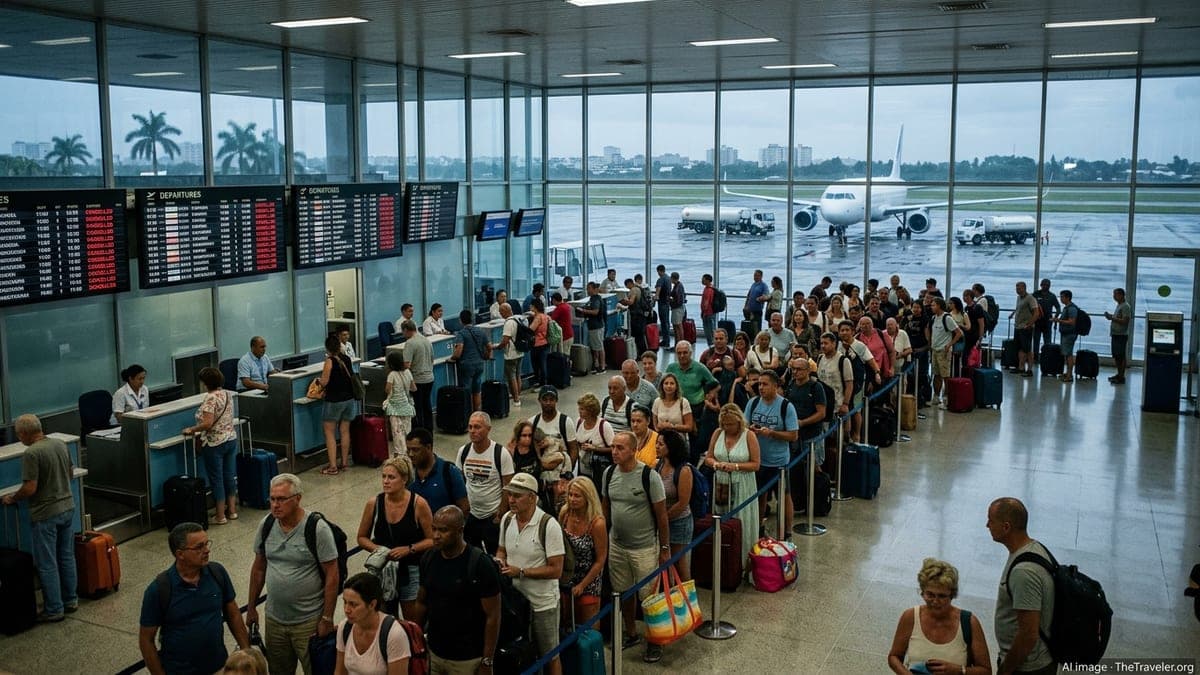
Air Canada and Air Transat cancelled every scheduled route to Varadero and Cayo Coco through May 2026, citing an absolute inability to refuel aircraft for return journeys, as Cuba's jet fuel crisis escalated into a full-scale disruption of Spring 2026 Caribbean travel.
Cuba's Ministry of Energy and Mines reported that the nation's strategic reserves reached a critical depletion point, triggering direct and immediate service suspensions by international carriers. Canadian and Russian airlines, along with other global operators, were forced to drastically reduce or entirely halt their Cuba schedules. The breadth of the cancellations placed thousands of Spring 2026 vacations in serious doubt, with package holidays unraveling and tourists left stranded across the island.
By mid-March 2026, aviation trackers, travel operators and regional media were already depicting a system under severe strain. Airlines that had tried to keep flying by tankering extra fuel from foreign hubs found that strategy increasingly untenable. Rather than risk last-minute operational failures, carriers moved to trim schedules, reroute services through other Caribbean airports, and in many cases cancel outright.
The timing could hardly be worse for Cuba's tourism-dependent economy. The shortage struck precisely as the winter high season handed off to Spring Break and Easter, the period when demand from North America and Europe typically peaks. Resort communities at Varadero and Cayo Coco, already reliant on that seasonal surge, now face an extended stretch without the arrivals that sustain them.

Two factors will determine how quickly the situation resolves. The first is whether Cuba can secure and distribute fresh jet fuel reliably across its main airports; without a credible resupply path, airlines have every incentive to keep schedules grounded rather than gamble on last-minute availability. The second is how long aviation authorities maintain the fuel-related notices that set the cancellation wave in motion. Any extension of those notices would push the disruption beyond Easter and into early summer bookings, compounding losses for tour operators and resort communities alike.
Air Canada and Air Transat's suspension running through May 2026 means the peak spring travel window is effectively gone for those carriers at the two most visited Cuban resort destinations. Whether other international airlines follow with similarly extended groundings will depend on whether the fuel supply picture changes before the Easter travel rush arrives.
This article was produced by Prism’s automated news system from verified source data, official records, and press releases, then run through automated quality and moderation checks before publishing. The system is built and supervised by the people who set the standards it runs under. Read our full AI policy.
Did this article answer your question?