Cuba Marks Second Anniversary of High Seas Treaty, Reaffirms Ocean Commitment
Cuba marked the second anniversary of the High Seas Treaty, underlining its early signatory status and renewed commitment to protecting ocean biodiversity.
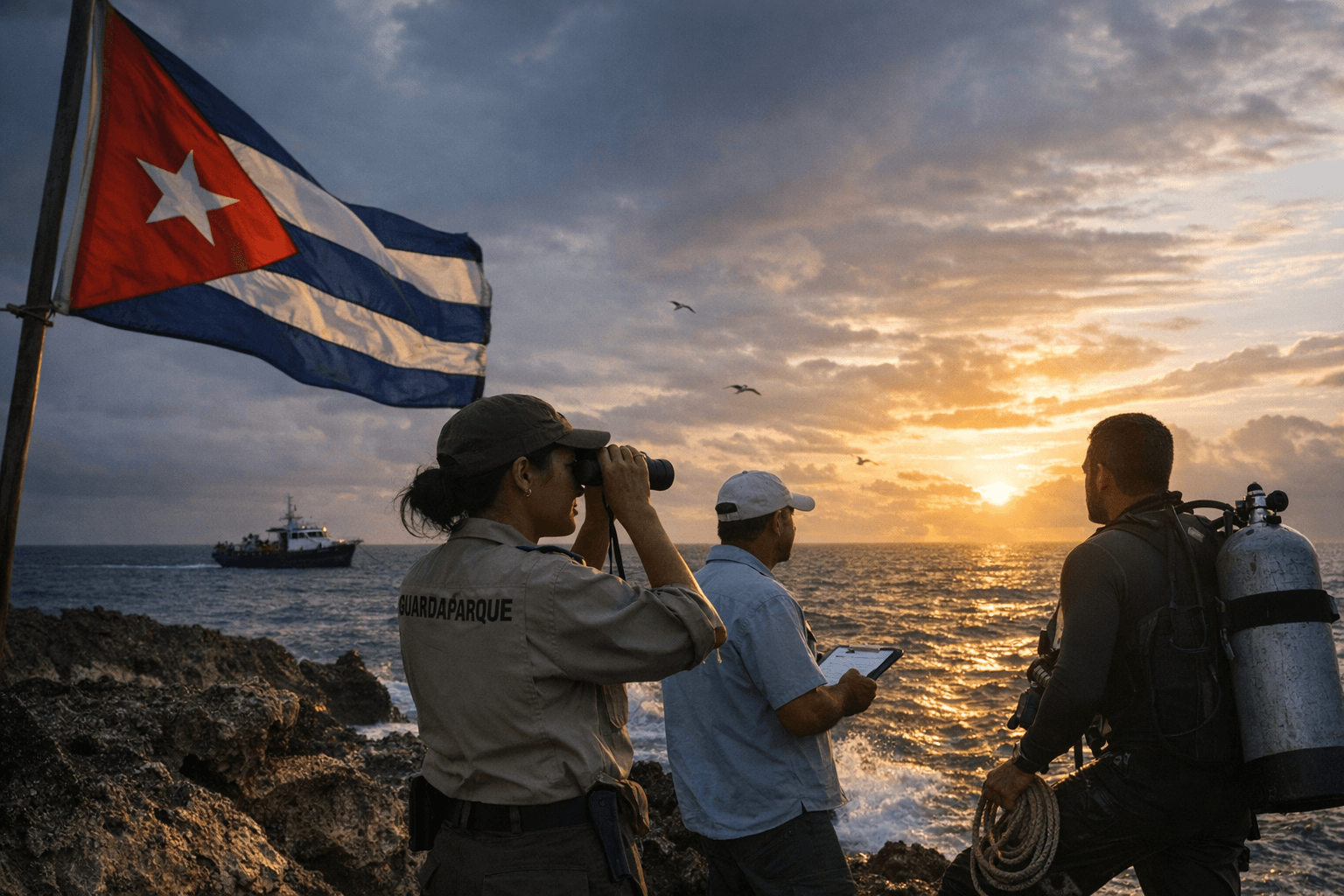
Cuba marked the second anniversary of the High Seas Treaty by reaffirming a national commitment to ocean protection and highlighting its role as one of the first ten signatories. The Ministry of Science, Technology and Environment (CITMA) used the observance to frame the Agreement on Biodiversity Beyond National Jurisdiction (BBNJ) as a turning point in international environmental governance.
CITMA held commemoration activities on January 19, 2026, following the treaty’s entry into force on January 17, 2026. The ministry emphasized Cuba’s continued political will to engage in multilateral ocean stewardship and to take part in implementing the new legal framework for areas beyond national jurisdiction (ABNJ). Two years after adoption, the agreement counts 145 signatory states and 81 parties, reflecting broad international participation that Cuba argues can strengthen collective management of the high seas.
The High Seas Treaty establishes, for the first time, a common regulatory framework to protect marine biodiversity in ABNJ. For Cuban coastal communities, small-scale fishers, and marine researchers, the treaty’s rules aim to provide clearer shared standards for protecting migratory species, conserving vulnerable ecosystems, and coordinating scientific work in waters where no single nation holds jurisdiction. CITMA framed those aims as central to Cuba’s ocean policy and scientific priorities.
Practical implications at home will be shaped by how Cuba uses its position as an early signatory to influence implementation measures, coordinate regional science partnerships, and push for equitable approaches to conserve resources that cross national borders. For scientists at institutions in Havana and provincial marine stations, the treaty opens new avenues for multilateral research cooperation and data-sharing frameworks that can improve stock assessments and ecosystem monitoring. For coastal neighborhoods that depend on fisheries, stronger high-seas protections can support healthier migratory stocks and reduce pressure on nearshore grounds over time.
The agreement also introduces governance mechanisms that require ongoing negotiations on measures such as marine protected areas in ABNJ, environmental impact assessments for activities on the high seas, and capacity-building and technology transfer. Cuba’s vocal presence during the anniversary signals it will remain active in those negotiations and in regional dialogues with Caribbean neighbors and Latin American partners.
As implementation moves from signature to practice, the next steps for readers are clear: watch for CITMA announcements on bilateral or regional scientific initiatives, follow updates on negotiation outcomes that affect high-seas management, and expect continued emphasis from Havana on coupling national conservation goals with the broader international effort to safeguard ocean life.
Know something we missed? Have a correction or additional information?
Submit a Tip