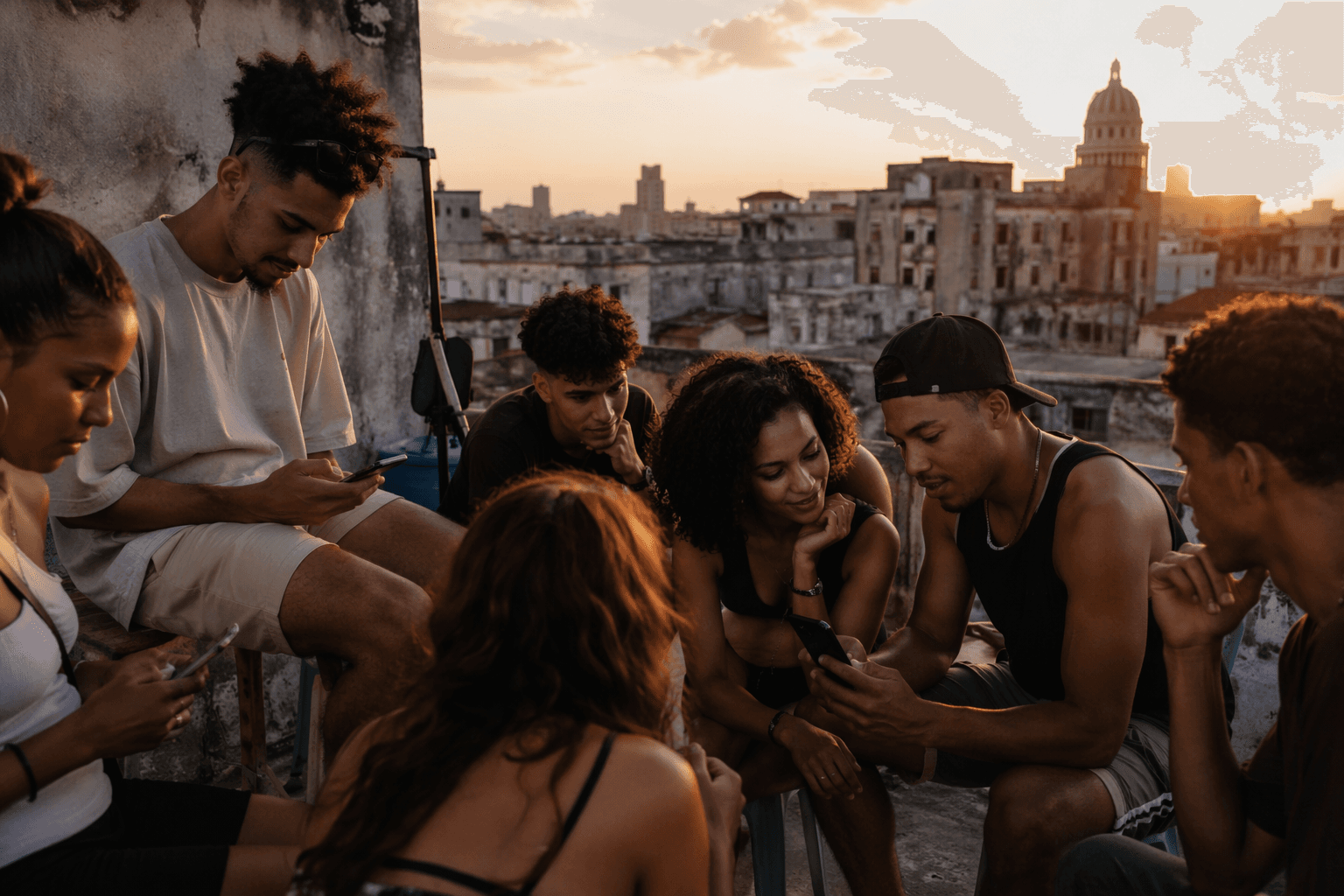
Cuba Remembers Student Rebel José Antonio Echeverría, 68 Years Later
Student rebel José Antonio Echeverría broadcast Batista's death on Radio Reloj not knowing the palace assault had already failed — then died in a skirmish minutes later.

Sixty-eight years after a group of Cuban university students charged the presidential palace in Havana and were gunned down, March 13 endures as one of the most contested and mourned dates in Cuban memory. Prensa Latina marked the anniversary this year with a commemorative piece recounting how that afternoon in 1957 unfolded and why the man at its center, José Antonio Echeverría, remains a figure both sides of Cuba's ongoing political struggle claim as their own.
The attack on March 13, 1957 was direct and fatal. In the afternoon, a group of young men took up arms and charged into the presidential palace in Havana with the intent to assassinate Cuban dictator Fulgencio Batista. All of them were gunned down. Nearby, at Radio Reloj, Echeverría stood at the microphone and declared the dictator dead, not knowing the assault had already failed. After leaving the radio station, he was killed in a skirmish. The date was later described as the day Cuba lost its future.
Echeverría's legacy has never settled neatly into either camp of Cuban political identity. His record as an elected student leader and practicing Catholic, combined with what commentators describe as his democratic credentials, would have placed him at odds with the Castro dictatorship that replaced Batista in 1959. Yet the revolutionary government has also drawn on his image. More than half a century later, both sides in the ongoing struggle declare Echeverría as one of their own.
The date March 13 carried forward into tragedy a second time. A tugboat named "13 de Marzo," chosen in honor of that violent anniversary, was carrying Cuban families attempting to flee Cuba when it was attacked on July 13, 1994. According to a 2014 post by writer John Suarez, 37 people were killed, among them 10 children. Suarez attributed the attack to agents of the Castro-era government, a claim that reflects a documented and widely reported incident but one that warrants verification against independent human rights and legal records.
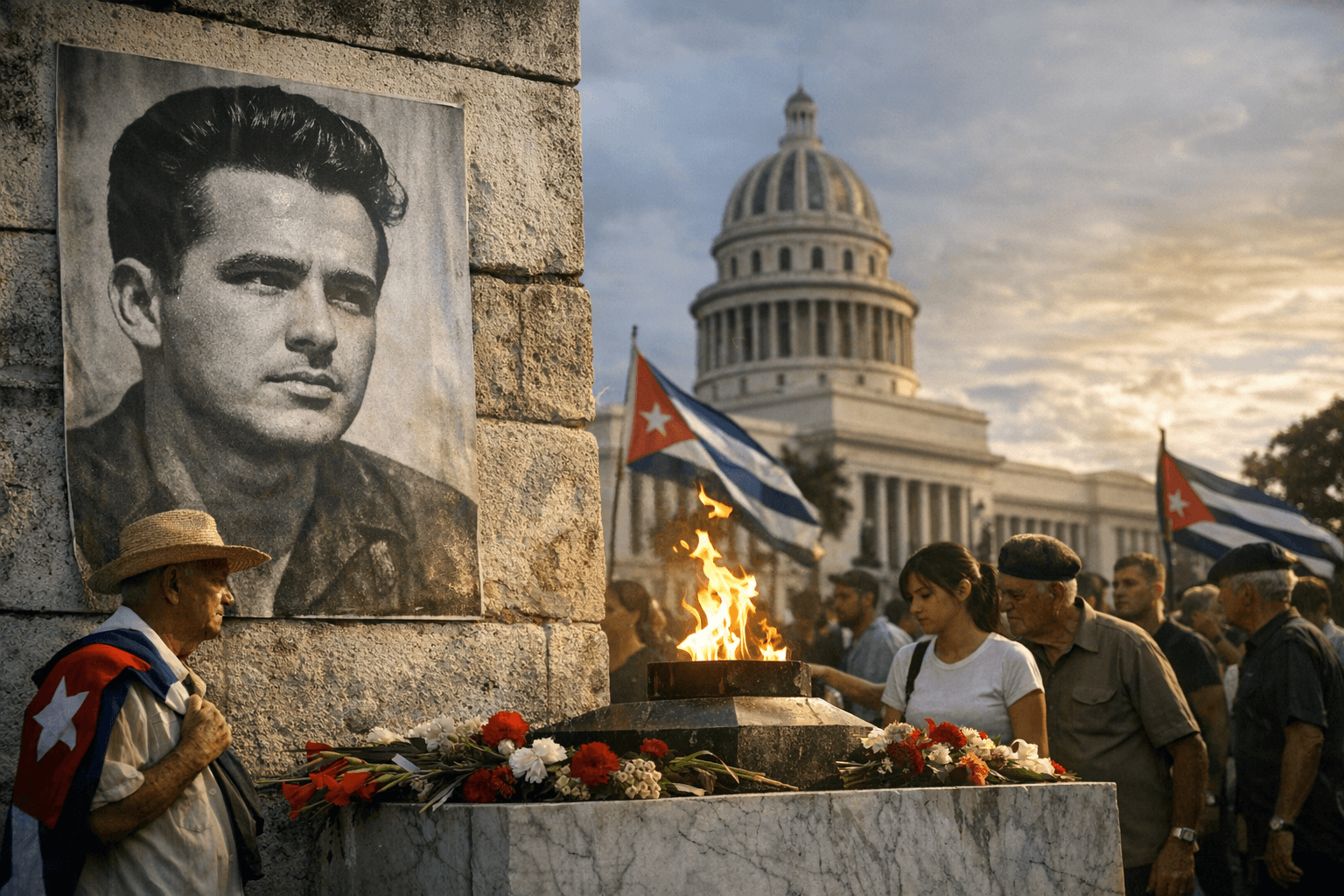
The moral questions raised by the 1957 assault have never gone away. Gene Sharp's maxim, cited by Suarez in his remembrance, cuts to the core of what that day cost: "If you fight with violence, you are fighting with your enemy's best weapon and you may be a brave but dead hero." The Cuban dissident Oswaldo José Payá Sardiñas offered a different path in a 2002 address that has circulated alongside Echeverría's story: "The first victory we can claim is that our hearts are free of hatred. Hence we say to those who persecute us and who try to dominate us: 'You are my brother. I do not hate you, but you are not going to dominate me by fear. I do not wish to impose my truth, nor do I wish you to impose yours on me. We are going to seek the truth together'. THIS IS THE LIBERATION WHICH WE ARE PROCLAIMING."
Sixty-eight years on, Echeverría's story remains unresolved territory: a young elected leader who died broadcasting a lie he believed was true, remembered by the very forces his own history might have opposed.
This article was produced by Prism’s automated news system from verified source data, official records, and press releases, then run through automated quality and moderation checks before publishing. The system is built and supervised by the people who set the standards it runs under. Read our full AI policy.
Did this article answer your question?