Cuba says embassies remain in contact with U.S. but no formal table
Cuba says embassies remain in contact with the U.S., but exchanges have not become a formal negotiating "table".
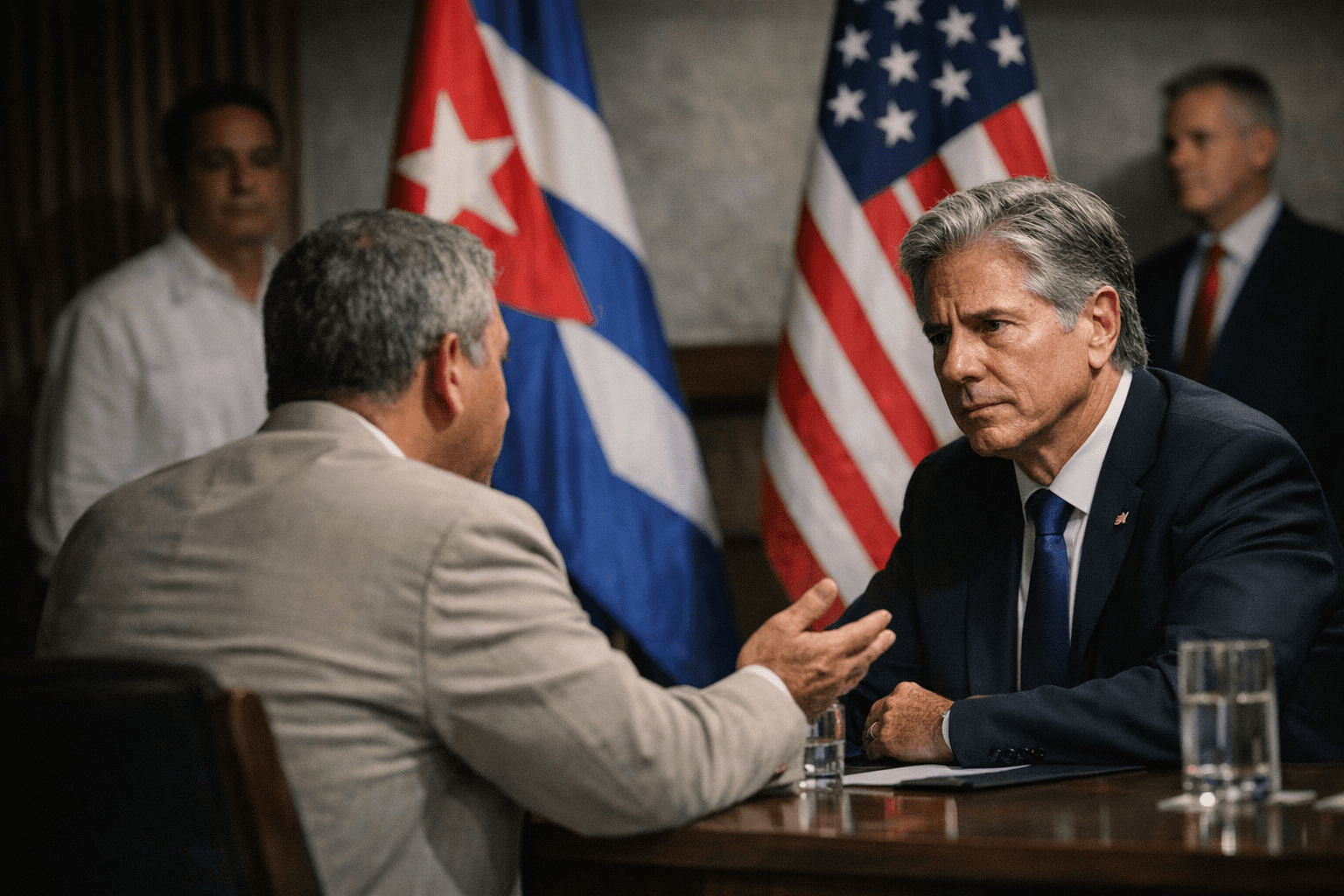
Havana and Washington have exchanged messages and their embassies remain in contact, but those interactions have not evolved into a formal, negotiated "table" of dialogue, Cuba's Deputy Foreign Minister Carlos Fernández de Cossío said in a Feb. 2 interview. The comment signals limited, practical lines of communication without a full diplomatic reset.
The statement comes amid ongoing tensions between the two countries over migration, sanctions, and consular services. Carlos Fernández de Cossío framed the contacts as message exchanges and routine embassy communications rather than a relaunched negotiation process. That distinction matters for Cubans on the island and for families in the Cuban diaspora who watch these ties for changes in visa processing, remittances, travel rules, and migration pathways.
For residents of Cuba and for community organizations that assist with consular matters, the immediate takeaway is pragmatic. Embassy-level contact can keep channels open for routine consular work - such as visa interviews, consular assistance, and informal coordination - but it does not guarantee policy reversals or new bilateral agreements. Expect current restrictions and procedures to remain in force until formal negotiations or agreements are announced and implemented.
The backdrop includes the restoration of diplomatic relations in 2015 and subsequent periods of tightening and easing around travel and financial flows. Those swings have had direct effects on remittance routes, U.S.-bound migration, and commercial ties. Without a formal negotiating table, Cuba and the United States are unlikely to announce broad, coordinated changes to policy in the near term. That means community groups, remittance networks, and families should plan based on existing rules while staying alert for incremental administrative changes that can be implemented through embassy channels.
Local service providers and legal advisers who handle migration and visa cases should maintain current documentation, keep appointment calendars updated, and confirm procedures directly with the embassies or consular sections. Community organizations can use the period of contact to press embassies for clearer guidance on case processing times or to request concrete answers about humanitarian or family-unification cases.
What comes next will depend on whether those exchanges deepen into structured talks. If Cuba and the United States move toward a formal negotiating format, expect a phased process that could first address narrow, technical issues before tackling broader policy questions. Until then, the practical effect for readers is continuity: embassies can provide assistance and convey messages, but major policy shifts will require a negotiated table that, for now, has not been established.
Know something we missed? Have a correction or additional information?
Submit a Tip