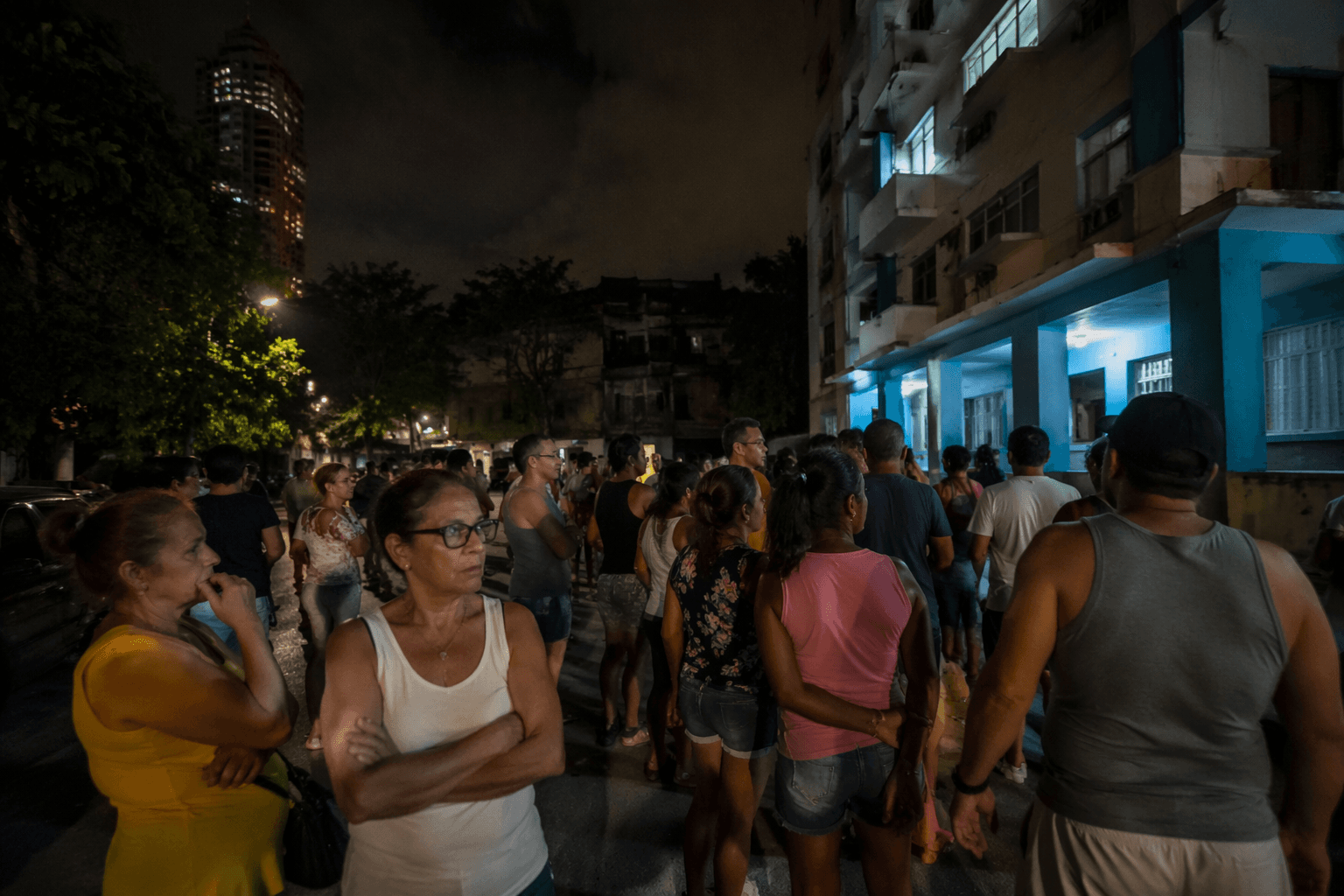
Cuba suspends university entrance exams amid fuel and transport crisis
Cuba scrapped June entrance exams, shifting admissions to pre-university grades as blackouts and fuel shortages gutted the logistics of moving, testing, and grading students.
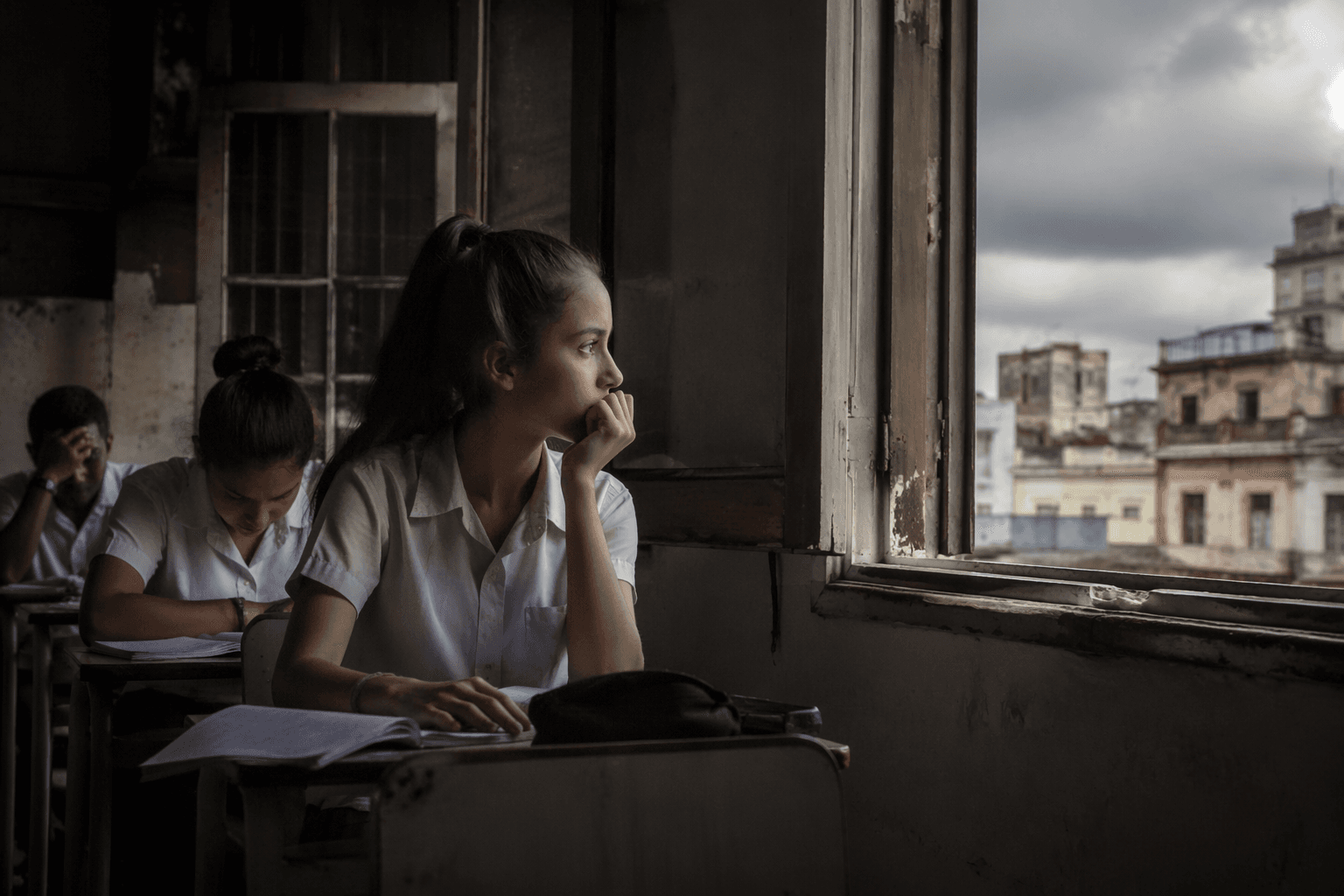
Cuba’s university entrance exams have been shelved, and the real story is not just academic. The suspension shows how fuel shortages, transport failures, and rolling blackouts have started to decide life chances as much as grades do. Instead of sitting the usual tests in Mathematics, Spanish, and Cuban History, applicants will now be ranked entirely by the academic index they earned in pre-university school.
The Ministry of Higher Education said on May 20 that the change was an exceptional measure driven by the worsening energy situation and fuel shortages. By May 29, officials had gone further and said no entrance exams would be held this academic year. The reason was blunt: under current conditions, Cuba could not guarantee the logistics required to move students, administer the exams, and grade them across the island while electricity cuts and shrinking transport options kept disrupting ordinary life.
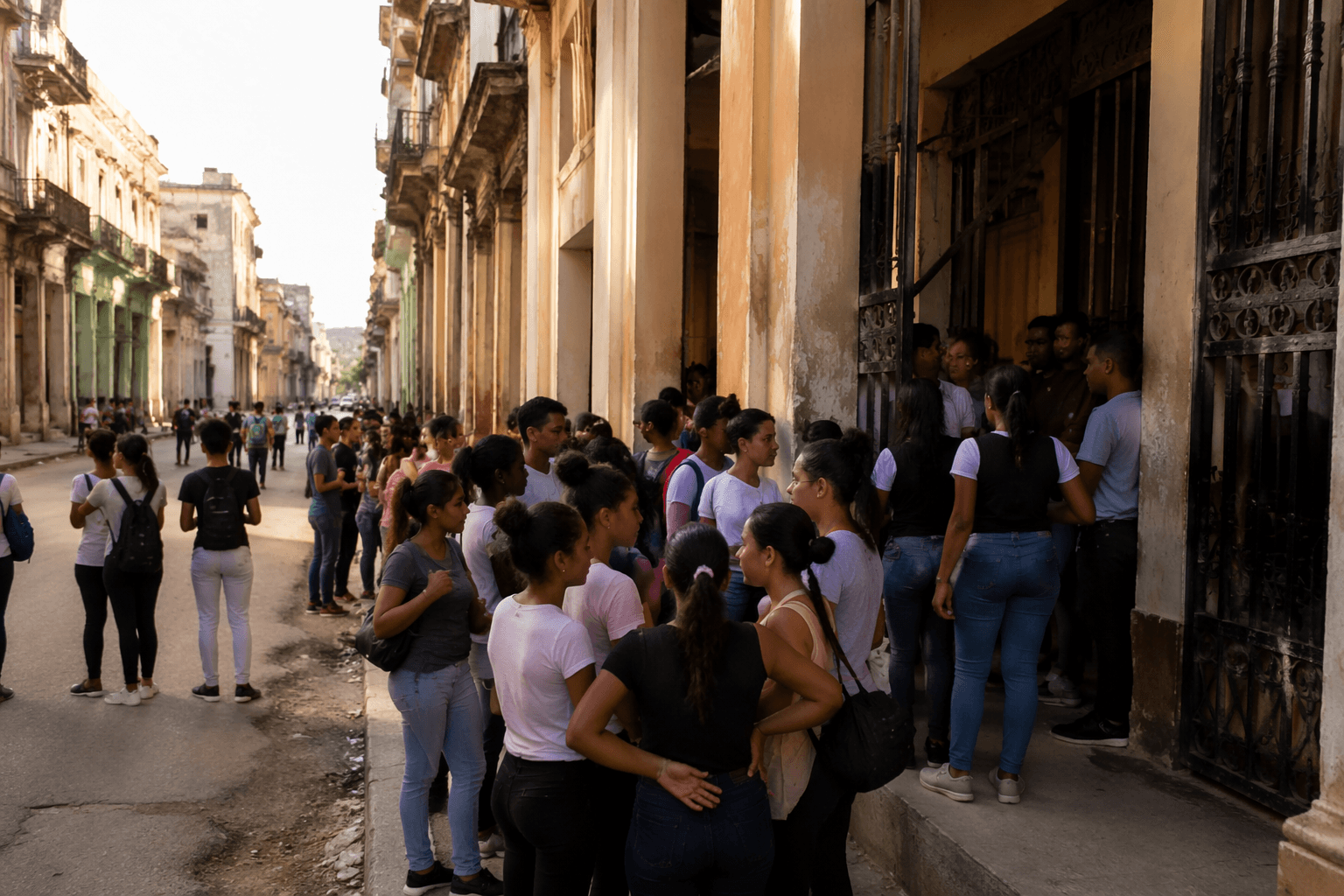
That makes the new admissions system a clear winner for some students and a hard break for others. Those who kept steady records in pre-university school, even through an ugly year of blackouts and water problems at home, now have a stronger path into higher education. Students who were banking on a strong exam performance lost the chance to reset the scoreboard in June. For many, months of review books and late-night studying by rechargeable lamps and candles vanished in one policy decision.
The fairness question sits right in the middle of it. Officials insisted the process would still preserve rigor, transparency, and mejor derecho, while guaranteeing a place for every aspirant who wants to enter higher education. But the system is still built on unequal conditions. It is one thing to compare students who had only a couple of hours of electricity a day and unreliable buses with students who had better study conditions. It is another to pretend those two groups faced the same race.
The scale of the system is part of why the decision matters. Official reporting said Cuba’s higher-education offer for the 2025-2026 cycle included more than 50,000 places, 113 university degrees, and 65 higher-technical programs. Another official tally put the country at 50 higher-education institutions and 136 municipal university centers, while a later Granma report cited 122 municipal university centers. In March, Granma said about 5,000 places were due to be awarded through the exam-based route, which had already become a sorting mechanism rather than a simple pass-fail barrier.
The admissions calendar still runs. Validation of applications stretched from May 20 to June 5, followed by first allocation from June 8 to 12, second allocation from June 15 to 19, late applications from June 22 to 26, and a third allocation round from June 28 to July 2. In the end, the policy change reached beyond education policy. It turned the island’s fuel and transport crisis into a direct test of who gets mobility, who gets stuck, and who gets counted as deserving when the exam room itself is no longer reliable.
This article was produced by Prism’s automated news system from verified source data, official records, and press releases, then run through automated quality and moderation checks before publishing. The system is built and supervised by the people who set the standards it runs under. Read our full AI policy.
Know something we missed? Have a correction or additional information?
Submit a Tip