Cuba to Free 51 Prisoners in Vatican-Brokered Goodwill Gesture
Cuba will free 51 prisoners "in the coming days" in a Vatican-brokered goodwill gesture, as Trump warns the island is "at the end of the line."
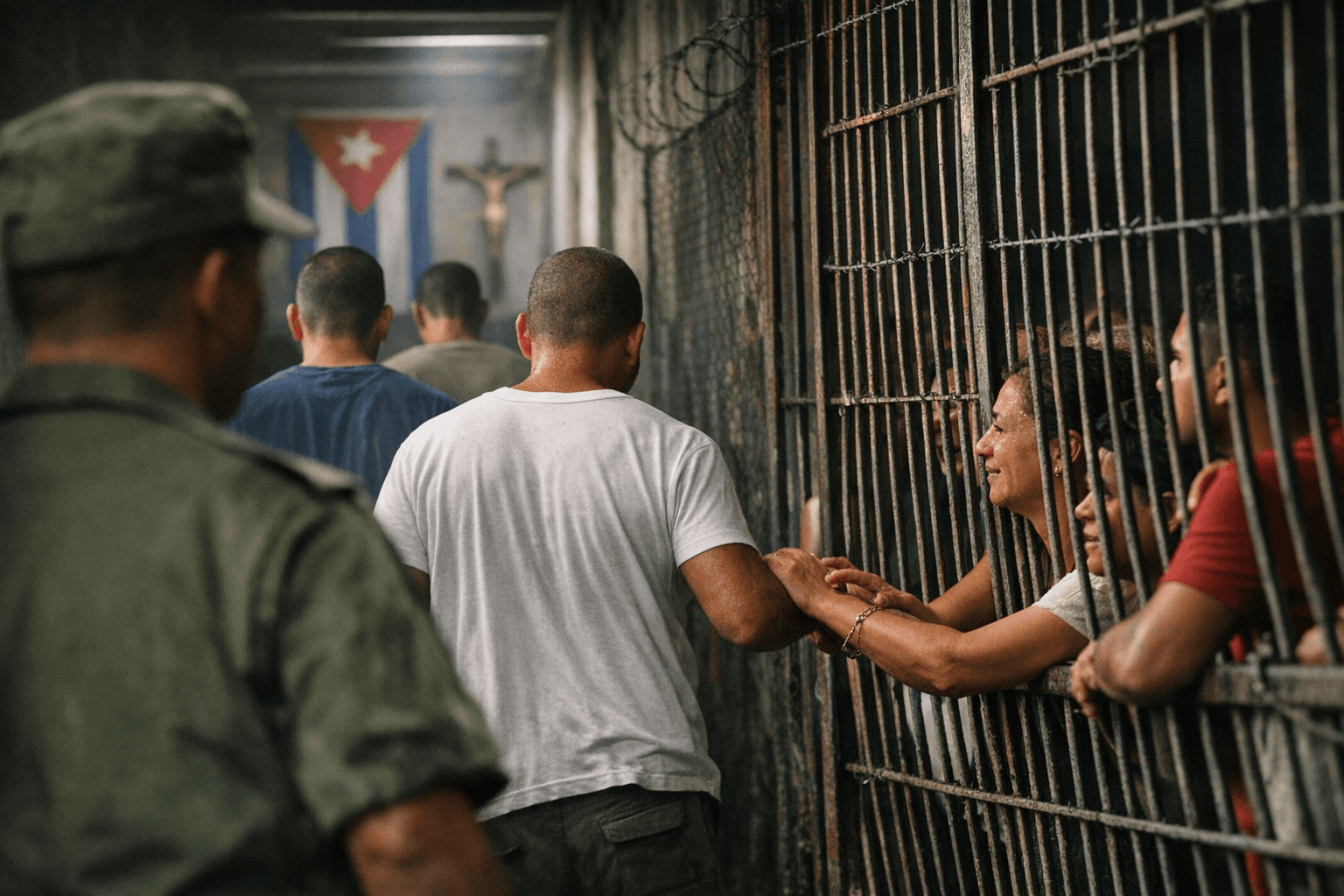
Cuba's government announced Thursday night it will release 51 prisoners in a gesture of goodwill tied to its relationship with the Vatican, as President Donald Trump ramps up pressure on Havana to accept economic and political changes.
"In the spirit of good will and the close and fluid relations between the Cuban State and the Vatican, with which communication has historically been maintained regarding the review and release of prisoners, the Cuban Government has decided to release 51 people sentenced to imprisonment in the coming days," the government statement read. The announcement came shortly after Cuban state media reported that President Miguel Díaz-Canel would hold a televised press conference at 7:30 a.m. Friday, a notably unusual hour for such an event on the island.
The release follows discussions between Cuban Foreign Minister Bruno Rodríguez and Vatican representatives, with the government noting that the inmates had served significant portions of their sentences with good behavior. The Vatican has historically played a mediating role in Cuba's prisoner releases, most visibly in January 2025 when Cuba freed 553 prisoners as a gesture to Pope Francis as part of a deal with the Biden administration that temporarily removed Cuba from the U.S. list of state sponsors of terrorism.
That earlier release carried its own complications. While the Biden administration had framed the agreement around freeing "political prisoners," Cuban officials described those released as "553 people sanctioned for diverse crimes." Rights groups noted that some appeared to be common criminals, and the goodwill proved short-lived for at least some detainees: dissidents Jose Daniel Ferrer and Felix Navarro, both freed at the time, were later imprisoned again. When Trump took office, he reversed the terrorism-list removal and reinstated sanctions, effectively collapsing the U.S. side of that arrangement even as Cuba completed its releases.
The current announcement lands against a sharply deteriorating backdrop. Trump has cut oil supplies flowing to Cuba from Mexico and Venezuela, and has publicly urged Havana to strike a deal with Washington. In recent days, Trump declared Cuba was "at the end of the line" and predicted its government was about to "fall," while also insinuating the United States would "take over" the island. His administration, according to prior reporting, has been holding conversations with individuals close to Raúl Castro, whom the Miami Herald describes as Cuba's ultimate authority.
The 51-prisoner release also arrives as international pressure over Cuba's post-2021 crackdown remains unresolved. The July 11, 2021 protests, the largest demonstrations in Cuba since Fidel Castro's 1959 revolution, were driven by economic hardship, food shortages, and public frustration over the government's handling of the COVID-19 pandemic. Cuban authorities have maintained that those jailed were involved in arson, vandalism, and sedition. Watchdog groups estimate that roughly 200 protest-related detainees were released in the days before this announcement, though limited information has made verification difficult.
Whether the 51 to be freed include any of the protesters detained since 2021 remains unclear. The Cuban government has not published a list of names or charges, and rights organizations have not yet confirmed the composition of the group. The question of who precisely counts as a political prisoner, versus someone convicted of a crime, has shadowed every Vatican-mediated release cycle since 2025, and this one is unlikely to be any different.
This article was produced by Prism’s automated news system from verified source data, official records, and press releases, then run through automated quality and moderation checks before publishing. The system is built and supervised by the people who set the standards it runs under. Read our full AI policy.
Did this article answer your question?