Cuba Travel Primer: Visas, Money, Hotels, Beaches, Havana and Varadero
Practical Cuba travel primer covering visas, money, hotels, beaches, Havana and Varadero. Check entry rules, cash plans, power and transport before you go.
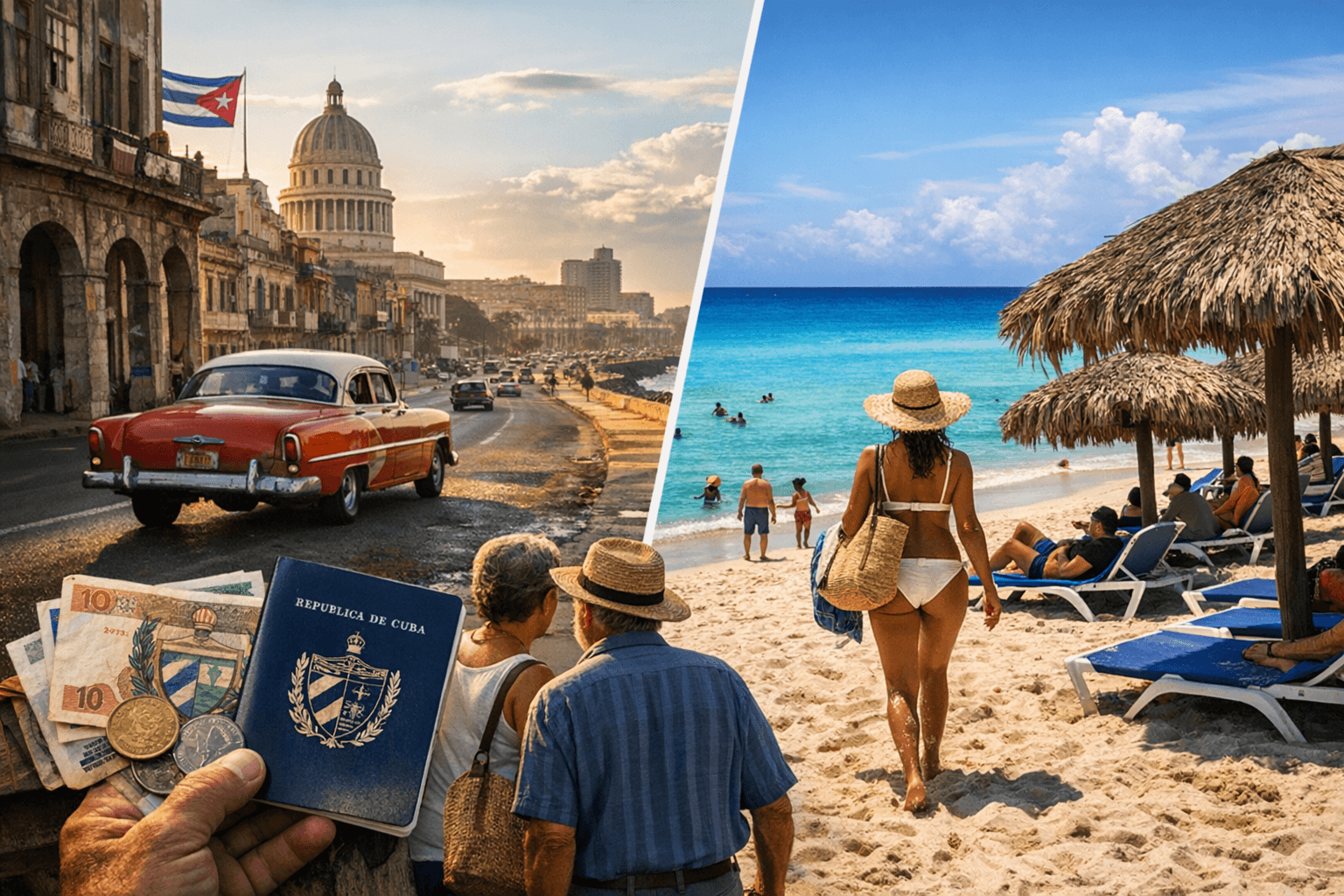
Visa rules and entry procedures vary by nationality and departure country; many visitors use a Cuban tourist card (tarjeta del turista) or electronic visa procedures tied to specific airlines. U.S. nationals remain subject to U.S. OFAC rules and must travel under an authorized travel category - check OFAC and your embassy well ahead of departure. Carry proof of your entry permission and photocopies of documents on arrival.
Money and payments require planning. Cuba operates limited card acceptance and multiple currency systems; bring small-denomination foreign currency and a backup credit or debit card. Euros or Canadian dollars are often easier to exchange than U.S. dollars in some contexts because of fees. Exchange at banks or official exchange points (CADECA) and keep receipts. Carry cash for taxis, tips, and payments to casa particulares, where cash is still king.
Accommodation ranges from state hotels and international all-inclusive resorts in Varadero or the Cayo islands to private casa particulares in Havana, Trinidad and smaller towns. Casas particulares usually offer better cultural contact and value; confirm amenities and reviews, and reserve ahead during festivals or high season. Hotels may have generators but fuel shortages can affect generator operation.
Expect intermittent power cuts in many areas. Bring battery banks, a travel power strip and a basic flashlight. Mobile data can be limited; buy local SIM cards from ETECSA where available or plan for slow, spotty public Wi-Fi hotspots that require prepaid access cards. Download maps and confirmations before you arrive and carry printed backups for critical reservations.
Domestic transport includes long-distance buses, private taxis and domestic flights whose schedules can change. Car rentals are possible but limited and vulnerable to fuel shortages; always check fuel availability if renting and plan alternate routes. For diving and island trips, confirm boat operators and fuel status in advance.
Health and safety preparation is essential. Bring essential medications and copies of prescriptions because some medicines may be scarce. Travel insurance with medical evacuation coverage is strongly recommended. Avoid political demonstrations; Cuban law restricts public protests and authorities may detain foreigners near demonstrations.
Learn basic Spanish phrases, respect local norms and ask before photographing people - especially officials or police. Tipping is appreciated though customs vary. Top experiences to plan for include La Habana Vieja, the Malecón, classic-car rides, live music at Casas de la Música, beach resorts in Varadero and Jardines del Rey, colonial Trinidad and Valle de los Ingenios, plus scuba and diving along the northern cays. Check local event calendars for Jazz Plaza and book fairs before you go.
Pack this checklist: passport plus visa or tarjeta del turista, cash in small notes, travel insurance with medevac, portable battery bank, photocopies of documents, basic first-aid kit, local SIM or roaming plan and a list of embassy numbers. Because power, fuel, diplomatic relations and airline schedules can change quickly, verify government travel advisories and airline or embassy notices within 72 hours of travel. Thoughtful planning and flexibility will keep trips to Havana, Varadero and beyond smoother and more enjoyable.
Know something we missed? Have a correction or additional information?
Submit a Tip