Cuba Warns Electric Deficit Exceeds 1,700 MW, Threatening Deeper Blackouts
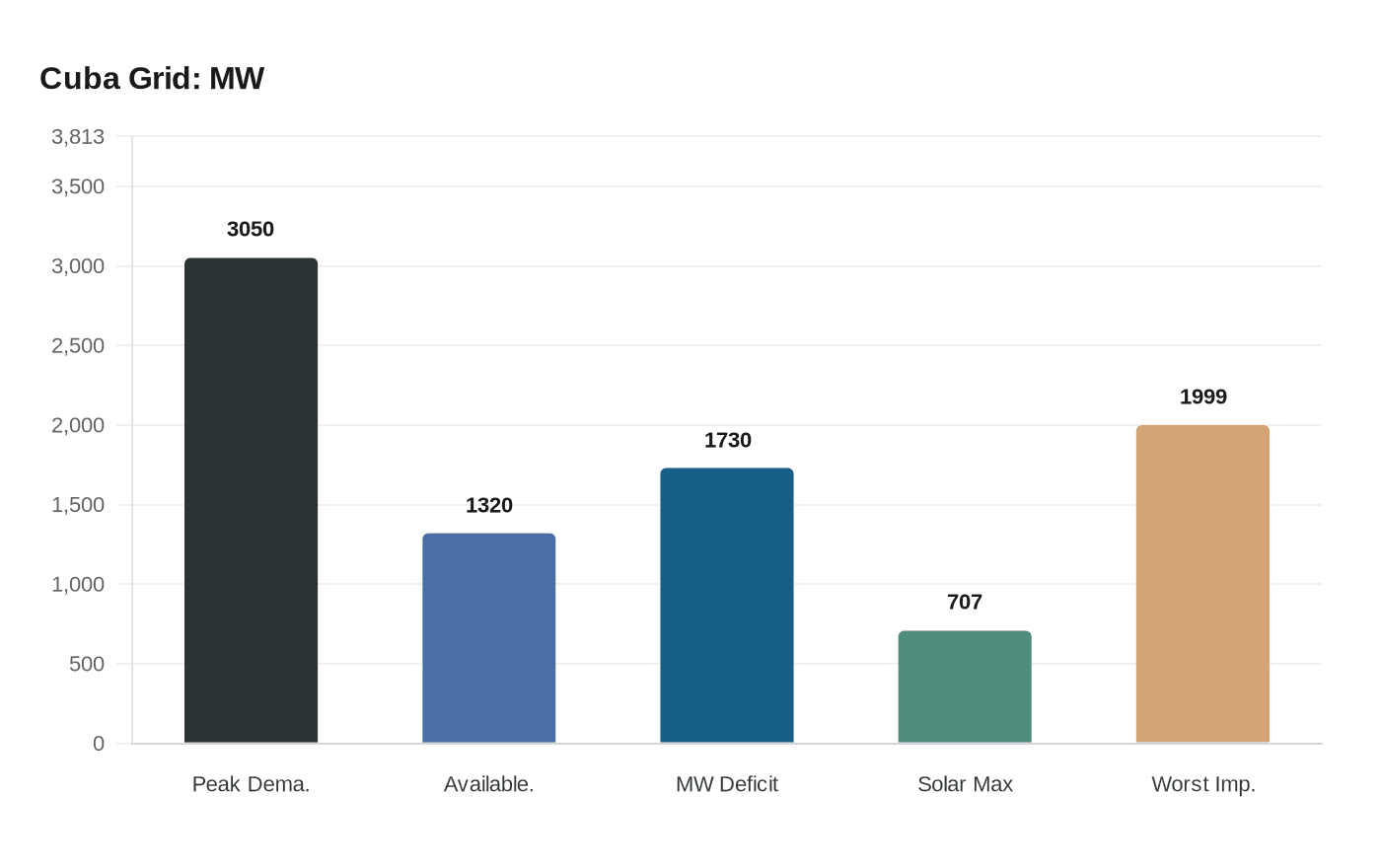
Cuba's grid hit 1,999 MW of lost capacity at 7:10 PM Saturday, with Sunday's peak hours forecast to leave just 1,320 MW available against 3,050 MW of demand.
Cuba's Electric Union warned Sunday that the National Electric System would face an expected impact of 1,760 MW during peak hours, as cascading breakdowns across the island's thermoelectric network pushed available generation to just 1,320 MW against a projected peak demand of 3,050 MW — a deficit of 1,730 MW even after accounting for planned additions.
The deterioration had been building all weekend. The electrical service was affected by a capacity deficit throughout every hour of Saturday, and the situation carried into Sunday morning. The single worst moment came at 7:10 PM Saturday, when the recorded impact reached 1,999 MW. By 6:00 AM Sunday, the National Electric System showed availability of only 1,250 MW against a demand of 2,220 MW, with UNE reporting an affected capacity of 1,150 MW at that hour. By midday, an estimated impact of 1,300 MW was expected before conditions tightened further toward peak.
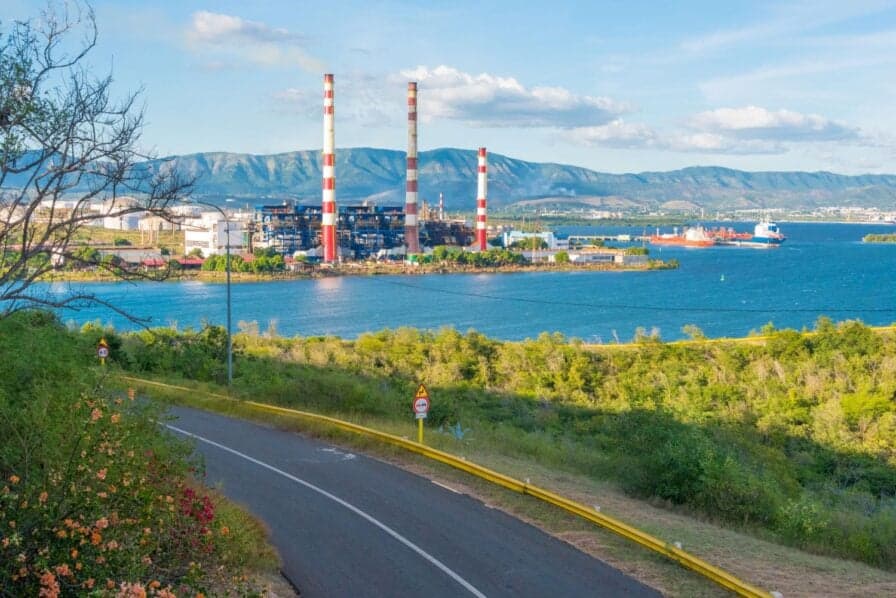
The immediate causes were spread across nearly every corner of the thermal fleet. Unit five of the Mariel thermoelectric plant suffered a breakdown, while unit six at the same facility was pulled for maintenance. At Santa Cruz del Norte, both units one and two reported issues. Felton's unit two was also out. In Santiago de Cuba, units three and six of the Antonio Maceo thermoelectric plant were offline. Maintenance was simultaneously underway for unit five at Nuevitas and unit four of the Carlos Manuel de Céspedes thermoelectric plant in Cienfuegos. Separate thermal generation limitations left an additional 395 MW offline.
UNE anticipated that Energás Jaruco's unit one would enter service with 30 MW during peak hours, with unit six from the same facility contributing another 40 MW. Those 70 MW combined, however, barely dented the arithmetic. With those additions factored in, estimated availability for peak hours stood at 1,320 MW — the number that produced the projected 1,760 MW impact figure.

Cuba's 52 new photovoltaic solar parks produced 4,161 MWh the previous day, reaching a maximum output of 707 MW at noon. UNE acknowledged the contribution remained insufficient given the structural deficit in the system.
The Sunday snapshot fits into a pattern that has persisted for months. Earlier in March, UNE posted figures on X showing that as of March 3, the National Electric System was reporting a deficit exceeding 2,000 MW, with rolling outages lasting up to 20 hours a day and eight of Cuba's 16 thermoelectric plants offline due to breakdowns and fuel shortages. For one Tuesday projection that week, UNE forecast maximum consumption of 3,150 MW against available generation of only about 1,890 MW, forcing authorities to disconnect circuits across the country to prevent what UNE described as a total and uncontrolled collapse of the grid.
The humanitarian dimension of the crisis has drawn international attention. Francisco Pichón, the United Nations' top official in Cuba, warned that the situation posed "acute humanitarian risks," particularly for vulnerable populations. "The risk to people's lives is not rhetorical," he said, noting that five million people with chronic illnesses depend on consistent electricity for treatment, including thousands of cancer patients and more than 32,000 pregnant women. On the ground, the outages translate directly into failed water pumps, unreliable refrigeration for food and medicine, and hospitals running emergency generators on scarce diesel.
The burden of outages has not fallen evenly. Havana, as the administrative center, has historically been prioritized in the allocation of whatever generation capacity exists, leaving interior municipalities to absorb more frequent and prolonged cuts. Thermal plants account for roughly 40 percent of Cuba's electricity mix under normal conditions, but distributed generation systems fueled by diesel and fuel oil, which represent another 40 percent of the mix, have been largely halted since January due to fuel shortages.
Three possible trajectories face the system: emergency repairs and incremental renewable growth could stabilize but not eliminate outages; accelerated renewable deployment backed by international financing could reduce fuel dependence over the longer term; or erratic fuel deliveries and aging plants continue sustaining the current cycle of crisis. With Sunday's peak hours approaching a deficit nearly as large as the entire available supply, the distance between those scenarios and the present moment remained vast.
This article was produced by Prism’s automated news system from verified source data, official records, and press releases, then run through automated quality and moderation checks before publishing. The system is built and supervised by the people who set the standards it runs under. Read our full AI policy.
Did this article answer your question?