Cuba weighs US $100 million aid offer amid grid collapse
Cuba said it would hear a US $100 million aid offer, but only if relief arrives without political strings as blackouts deepen across the island.
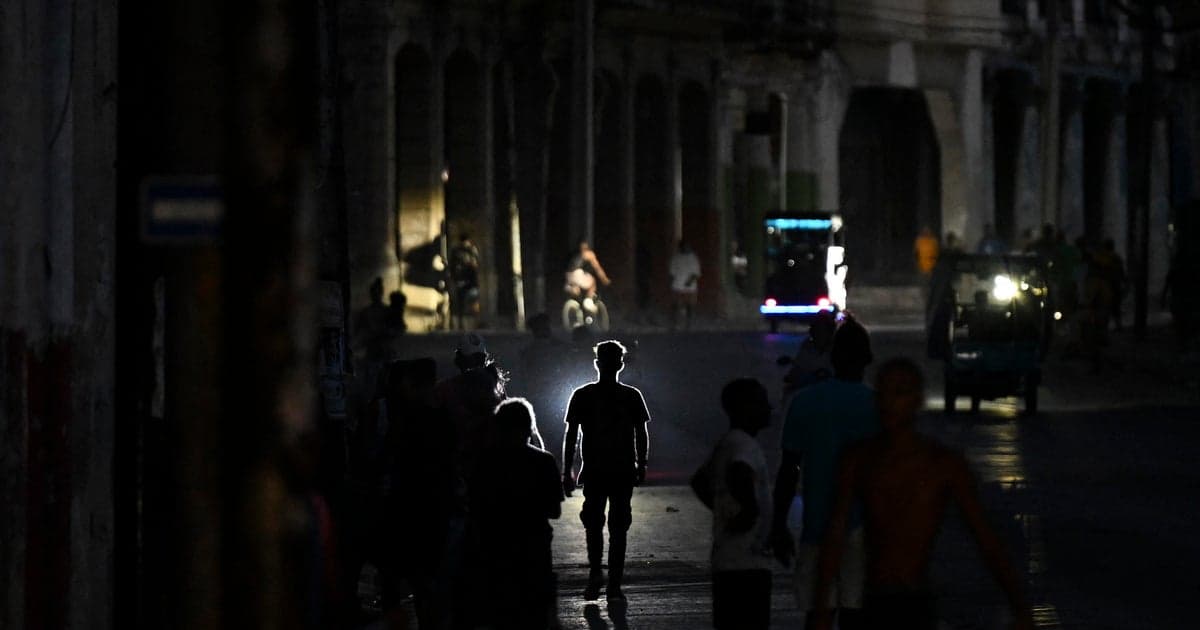
Cuba did not reject Washington’s $100 million humanitarian offer outright. Instead, Havana said it was willing to hear the details, a carefully worded response that left the door open while making clear that any assistance had to follow standard humanitarian practice and not come wrapped in political conditions.
That stance came as the island’s national energy grid suffered a major failure that cut power across eastern provinces, adding fresh strain to a system already running on borrowed time. The U.S. State Department restated on May 13 that the money was meant as direct humanitarian assistance for the Cuban people and said it would be distributed with the Catholic Church and other reliable independent humanitarian organizations. Cuba’s embassy in Washington said the practical terms still were not clear, including whether the aid would arrive as cash or in-kind supplies and whether it would target the most urgent needs on the island, especially fuel, food and medicine.
The politics around the offer matter because they can decide whether help reaches people quickly or stalls in bureaucratic limbo. Washington has said relief should bypass regime interference and be handled with transparency and accountability. Havana, for its part, said it does not normally reject foreign aid offered in good faith, but argued that the real help would be easing sanctions and the broader blockade that it says is worsening the crisis. President Miguel Díaz-Canel echoed that view on social media, saying Cuba would not obstruct genuine humanitarian aid, but that lifting or easing the blockade would do more to relieve the damage.
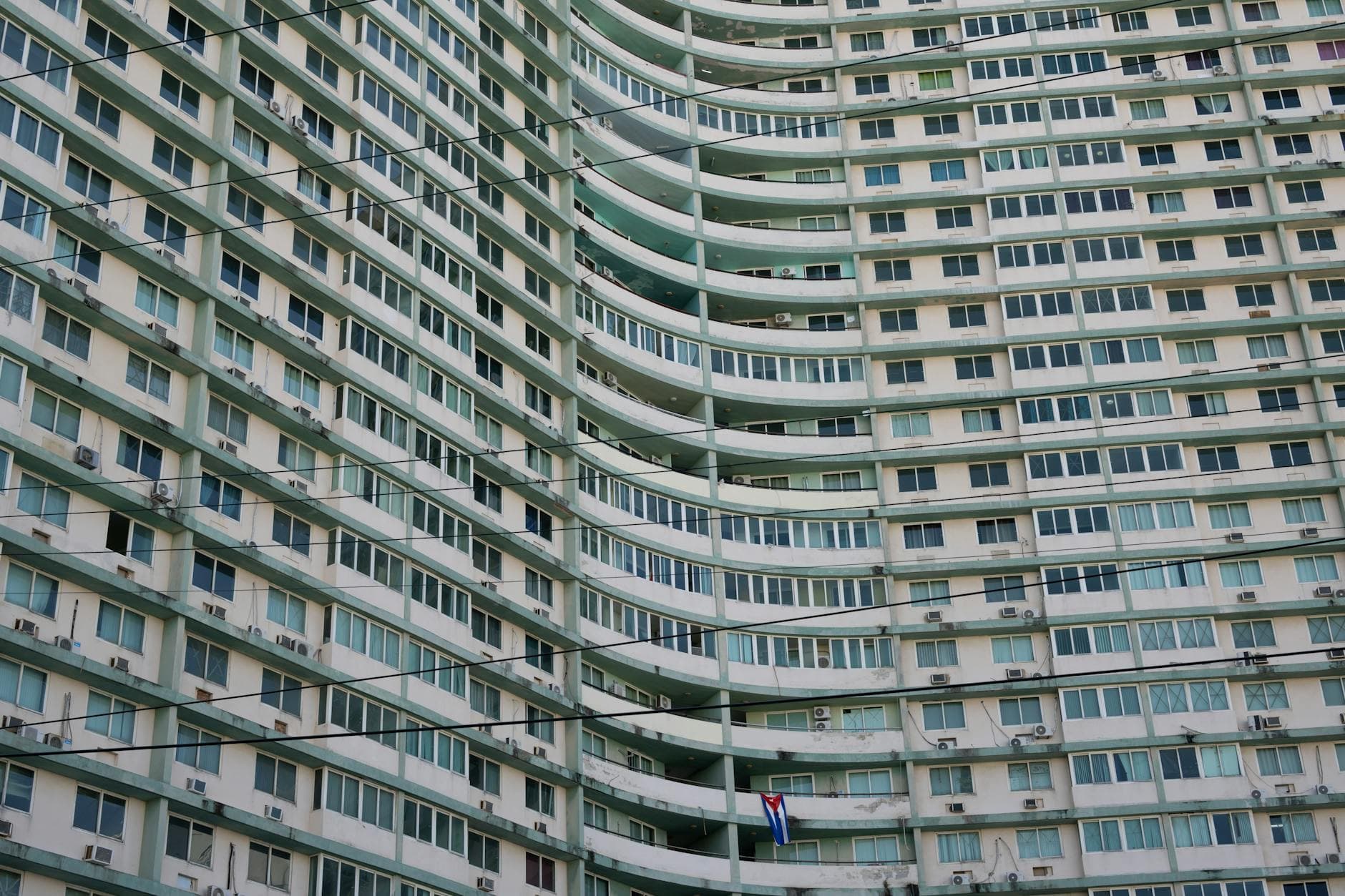
The size of the offer also stands out. In February 2026, a State Department official said $6 million in direct assistance was, to their knowledge, the largest amount of direct aid the United States had delivered to Cuba in recent memory, topping the Biden administration’s $2 million after Hurricane Ian in 2022. If the new $100 million were accepted and delivered efficiently, it could change conditions on the ground in practical ways: more fuel for generators, steadier hospital operations, better protection for food and medicine in cold chains, and faster support for grid repairs in a country where daily cuts in Havana can last up to 12 hours and run even longer outside the capital.
The diplomatic backdrop only sharpened the stakes. A U.S. delegation that included CIA Director John Ratcliffe visited Havana on Thursday and met with Cuba’s Interior Ministry officials, putting rare high-level contact alongside an emergency that is already visible in darkened neighborhoods, strained hospitals and fuel-starved infrastructure. For Cubans watching the lights flicker out, the question is not whether the offer exists, but whether politics will slow relief when the grid most needs it.
This article was produced by Prism’s automated news system from verified source data, official records, and press releases, then run through automated quality and moderation checks before publishing. The system is built and supervised by the people who set the standards it runs under. Read our full AI policy.
Did this article answer your question?