Cuban artist Luis Manuel Otero Alcántara arrives in Miami after parole approval
Luis Manuel Otero Alcántara landed in Miami after U.S. authorities approved his parole, shifting one of Cuba’s best-known dissident voices from prison in Cuba to the exiled opposition in South Florida.
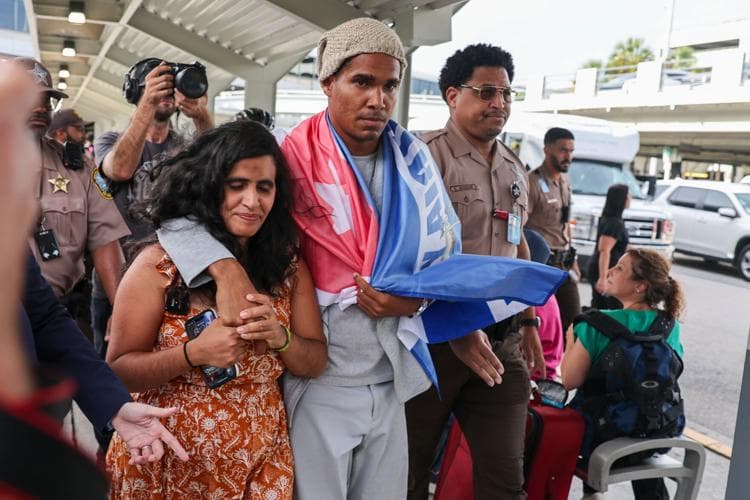
Luis Manuel Otero Alcántara arrived in Miami on Saturday after U.S. authorities approved his parole request, bringing the 38-year-old Cuban artist and activist out of prison and into the heart of the exile opposition community. He was met at Miami International Airport by supporters cheering, singing and holding up phones as some draped him in a Cuban flag marked “Patria y Vida.”
The move came after Otero Alcántara was released from a five-year prison sentence on the condition that he leave Cuba and seek asylum in the United States. Before his departure, he had been housed at a government facility while awaiting his definitive release, and his whereabouts had been unknown for 11 days after he left prison. His arrival ends that period of uncertainty and places him in Miami, where the Cuban opposition has long used visibility, media access and fundraising networks to keep pressure on Havana.
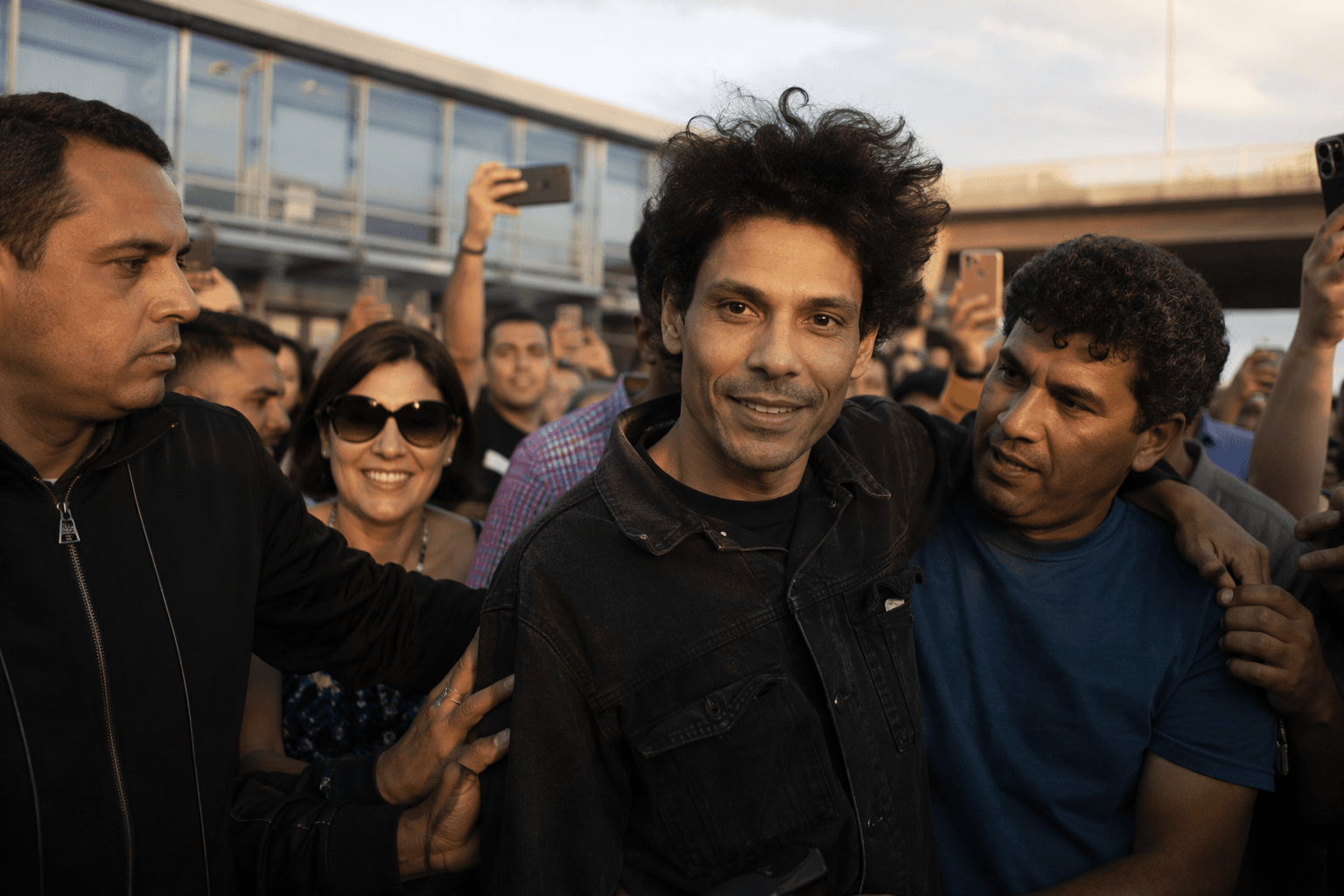
Otero Alcántara is not just another released prisoner. He is a founding member of the San Isidro Movement and one of the most recognizable figures to emerge from Cuba’s independent art and protest scene. He was detained on July 11, 2021, during the anti-government protests that erupted across the island, and Amnesty International named him a prisoner of conscience that same year. The Tom Lantos Human Rights Commission still lists him as detained since July 11, 2021 on state-security charges.
His arrival changes the calculation for Cuba’s opposition ecosystem in immediate ways. In Miami, Otero Alcántara can speak more freely, draw bigger crowds and keep his case in front of U.S. officials, human-rights groups and the Spanish-language press. At the same time, his forced exit underscores how the Cuban government has pushed one of its most visible dissenters out of the island, where his presence had carried symbolic weight for artists, activists and families still watching repression unfold inside Cuba.
For supporters who turned out at the airport with the Cuban flag and the slogan “Patria y Vida,” the scene was more than a welcome home. It was a public marker that one of the most prominent faces of the 2021 protest wave now has a louder platform abroad, even as his absence leaves a sharper gap inside Cuba’s own dissenting scene.
This article was produced by Prism’s automated news system from verified source data, official records, and press releases, then run through automated quality and moderation checks before publishing. The system is built and supervised by the people who set the standards it runs under. Read our full AI policy.
Did this article answer your question?