Cuban families queue for visas as emigration wave surges
Before dawn in Santa Clara, a white van starts ferrying families to embassies, as Cubans chase visas while fuel cuts and blackouts make leaving harder.
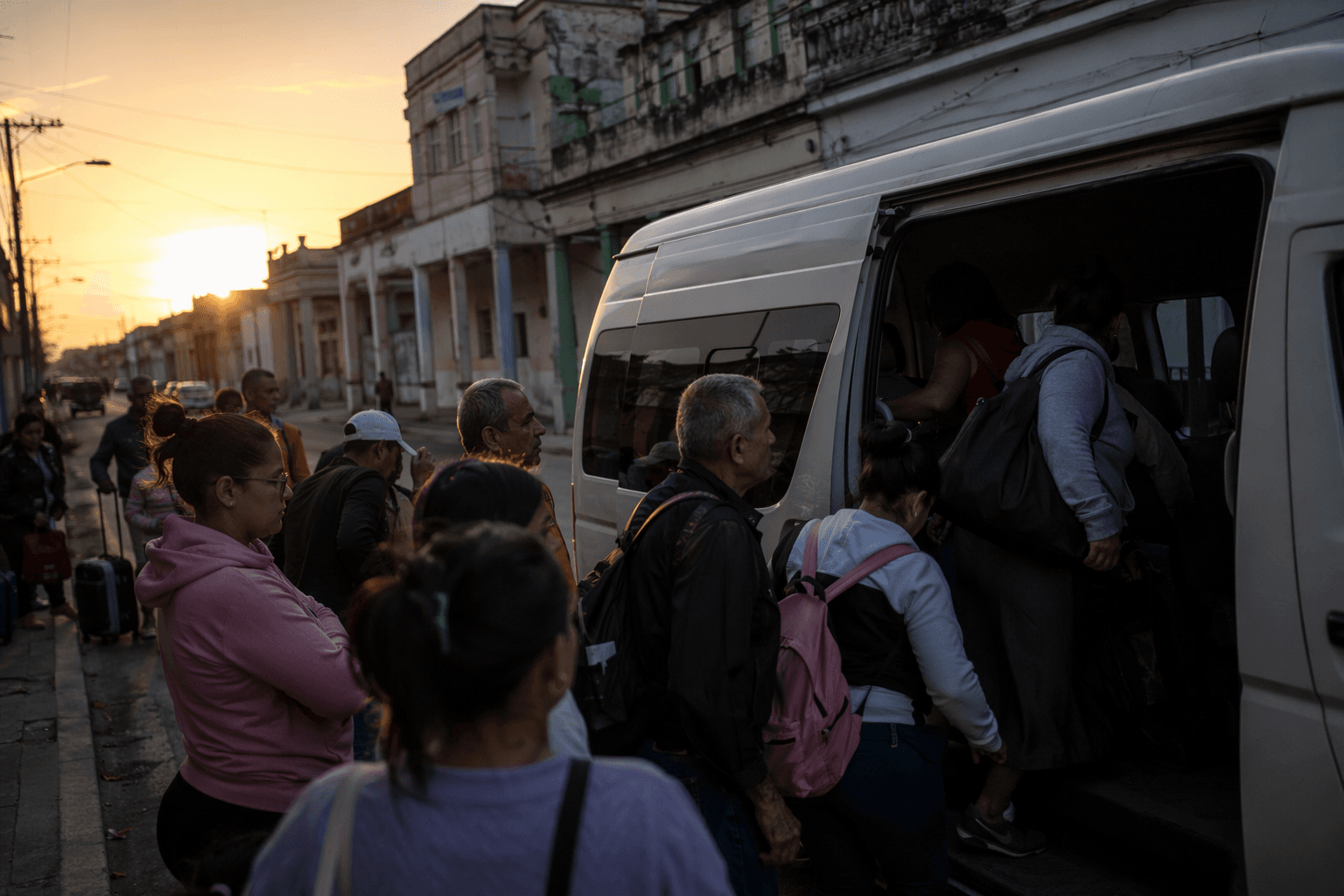
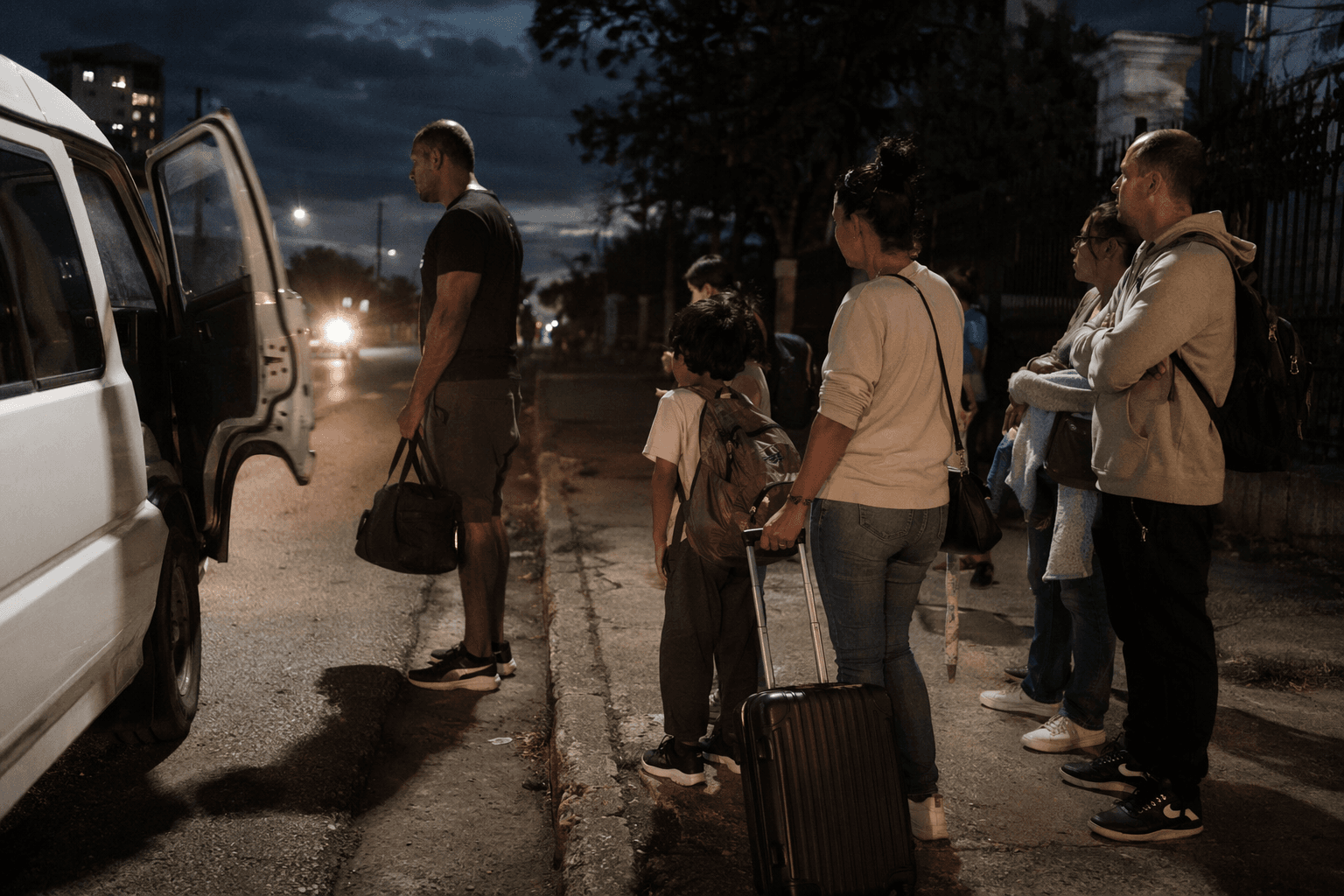
Before dawn in Santa Clara, Yudaymis Rodríguez, her husband and a driver start the day around 3 a.m., loading passengers into a white 15-passenger van and running them across Villa Clara toward Havana. Their fares are not tourists. They are Cubans trying to reach foreign embassies for visa and naturalization appointments, another sign that leaving the island has become part paperwork race, part survival gamble.
Rodríguez and her husband regularly drop people at the embassies of Panama, Costa Rica, the Dominican Republic and, most often, Spain. Outside those offices, families wait with birth certificates and marriage certificates tucked under their arms, hoping to prove the paper trail that now stands between them and departure. Rodríguez’s own family is trying to secure Spanish citizenship, a personal stake that makes the line outside the consulate look less like bureaucracy and more like a last exit ramp.
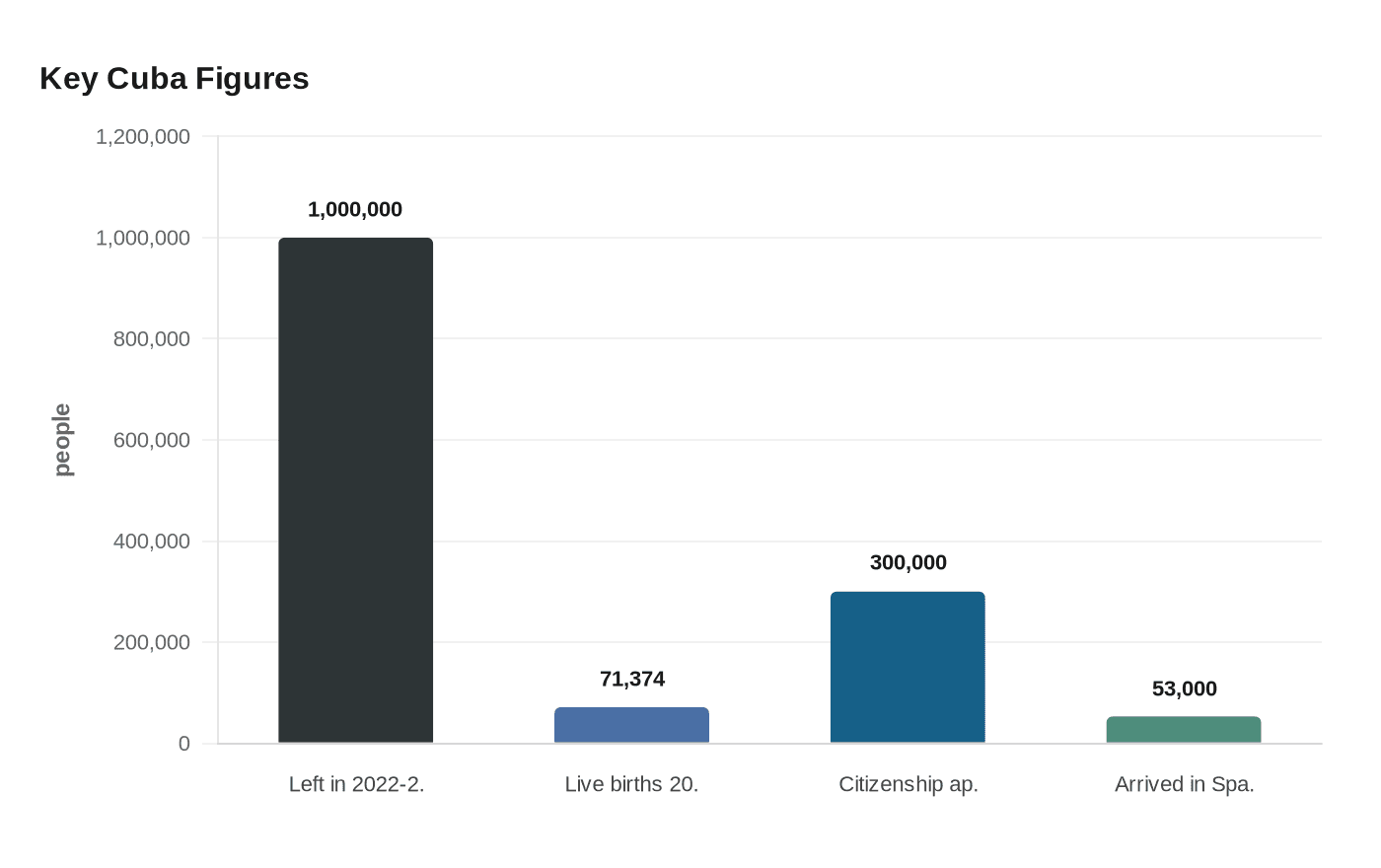
The pressure behind those queues is hard to miss. More than one million Cubans, about 10 percent of the population, left during the 2022-2023 emigration wave, a movement later described as the largest in the country’s history. Some demographers say the resident population may already be closer to 8.62 million than official counts suggest, which makes every departure feel heavier than the last.
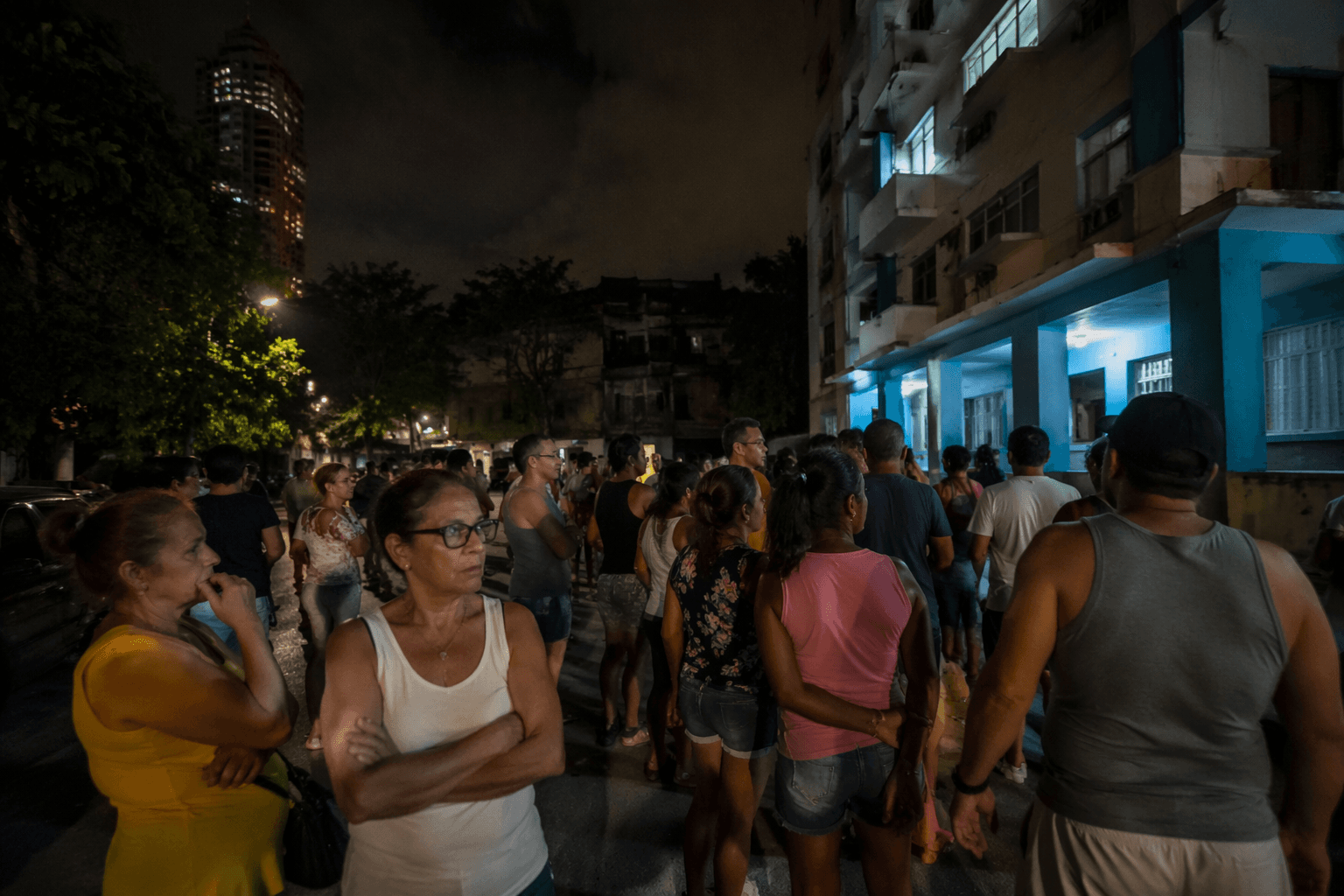
Economic exhaustion is pushing that exodus forward. Reduced fuel supplies from Venezuela have deepened Cuba’s power cuts, and in parts of Havana blackouts have stretched to 22 hours a day. Fuel shortages have also disrupted water pumping and distribution, turning a normal morning into a calculation about when to cook, when to charge a phone and whether there will be enough gas or charcoal to get through the day. In the poorest neighborhoods, children and older people can end up skipping meals when the electricity is gone and nothing else is affordable.
The demographic damage is already visible. The National Office of Statistics and Information reported 71,374 live births in 2024, a record low. UNICEF’s Cuba profile says deaths outnumbered births and that 24 percent of the population is 60 or older. Cuba is not just losing people; it is losing workers, parents and the future stability that keeps a society standing.
Spain has become one of the clearest pressure valves. Roughly 300,000 Cubans were reported to be applying for Spanish citizenship under the Democratic Memory Law in 2025, and the Spanish consulate in Havana expanded appointment capacity to handle demand. More than 53,000 Cubans arrived in Spain between 2023 and 2024, showing why every opening in Havana draws a crowd.
The route out has also become more complicated on the U.S. side. On January 21, 2026, the State Department paused immigrant visa issuances to nationals of several countries, including Cuba, while continuing to schedule interviews. That left more Cubans depending on the few legal pathways still moving, and more families watching embassy doors for a chance to leave.
At 3 a.m. in Santa Clara, Rodríguez’s van is the machinery of that pressure. It keeps moving because the island keeps emptying, and because for many Cuban families, the line outside the embassy now feels more reliable than the life they are trying to leave behind.
This article was produced by Prism’s automated news system from verified source data, official records, and press releases, then run through automated quality and moderation checks before publishing. The system is built and supervised by the people who set the standards it runs under. Read our full AI policy.
Know something we missed? Have a correction or additional information?
Submit a Tip