Cuban refugee recounts journey as U.S. pressure fuels migration fears
Felipe Fortun’s journey now reads like a warning, as fresh U.S. pressure, stalled parole rules and Cuba’s crisis narrow the options for new migrants.
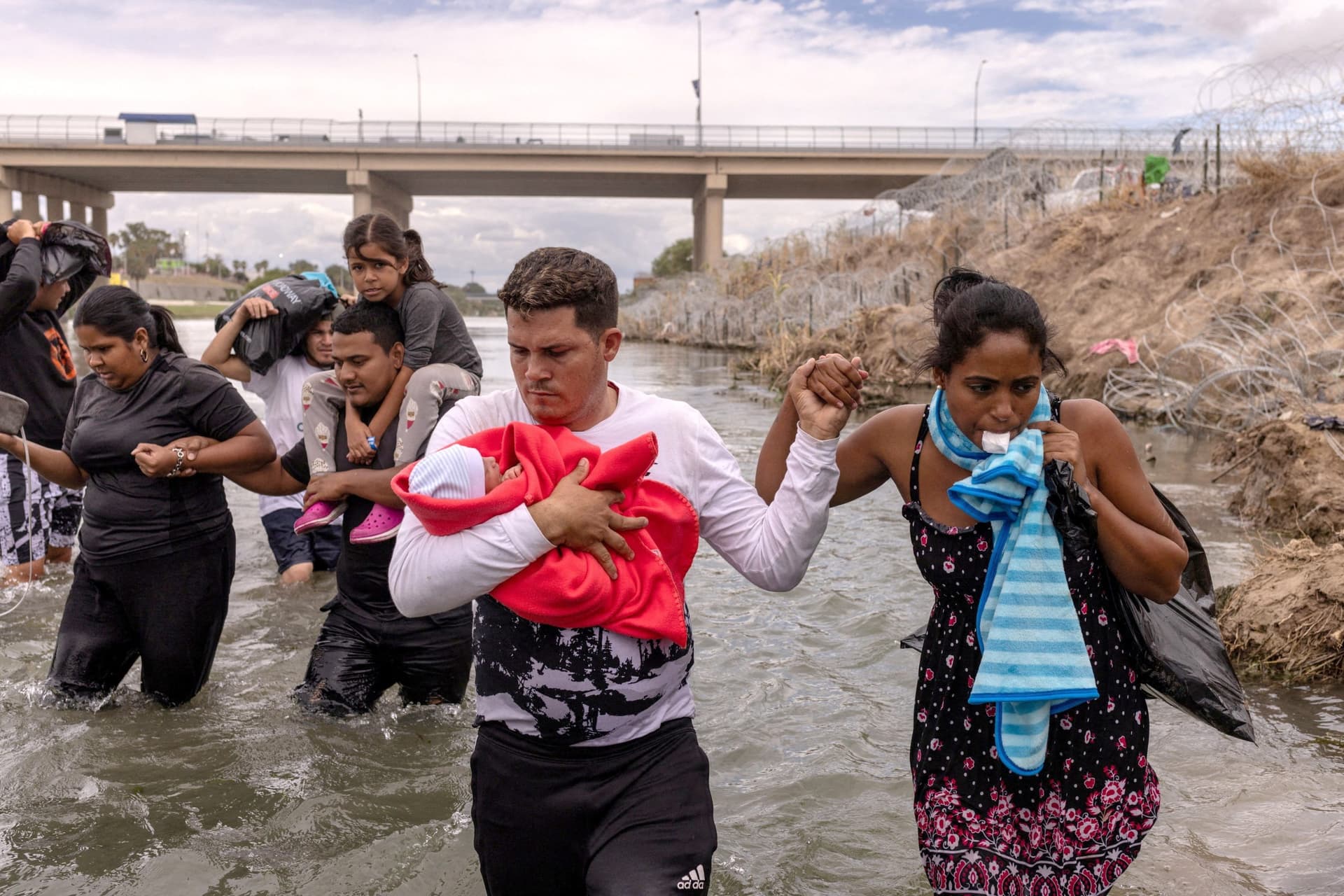
Felipe Fortun’s journey to the United States has taken on new meaning as Cuba faces another round of pressure from Washington and another surge of fear in Cuban homes. Fortun’s account lands at a moment when Trump’s renewed threats are again stirring questions that Cuban families know well: whether to leave, whether to wait, and whether a path that existed yesterday will still be open tomorrow.
That uncertainty sits on top of a legal framework that has shaped Cuban migration for generations. The U.S. State Department says the comprehensive embargo on Cuba began in February 1962 and remains in place. Cuban migration then exploded during the Mariel boatlift in 1980, when roughly 125,000 Cubans reached the United States over about five months, and again in the 1994 rafter crisis, when more than 35,000 crossed on makeshift rafts. The Cuban Adjustment Act, signed on November 2, 1966, gave Cuban natives and citizens a special route to lawful permanent residence after one year in the United States.
What has changed now is the level of legal friction around family-based entry. U.S. Citizenship and Immigration Services says the Cuban Family Reunification Parole Program began in 2007 and was modernized on August 11, 2023, using Form I-134A. But on January 24, 2026, a federal court in Massachusetts issued a preliminary injunction that stayed parts of the Department of Homeland Security’s December 15, 2025 termination of family reunification parole programs for Cubans and other nationalities. That means the notices are not currently in effect, but the path remains tangled for families trying to bring relatives out of Cuba.
The pressure inside the island is sharpening the stakes. On April 6, 2026, the United Nations said Washington’s end-of-January measures blocked oil supplies from entering Cuba and deepened a humanitarian crisis marked by fuel shortages and acute needs. The UN said Cuba’s health system had a backlog of more than 96,000 pending surgeries, including 11,000 for children, and that roughly one million people depended on water trucking. Those are the kinds of conditions that push migration from a political choice into a desperate calculation.
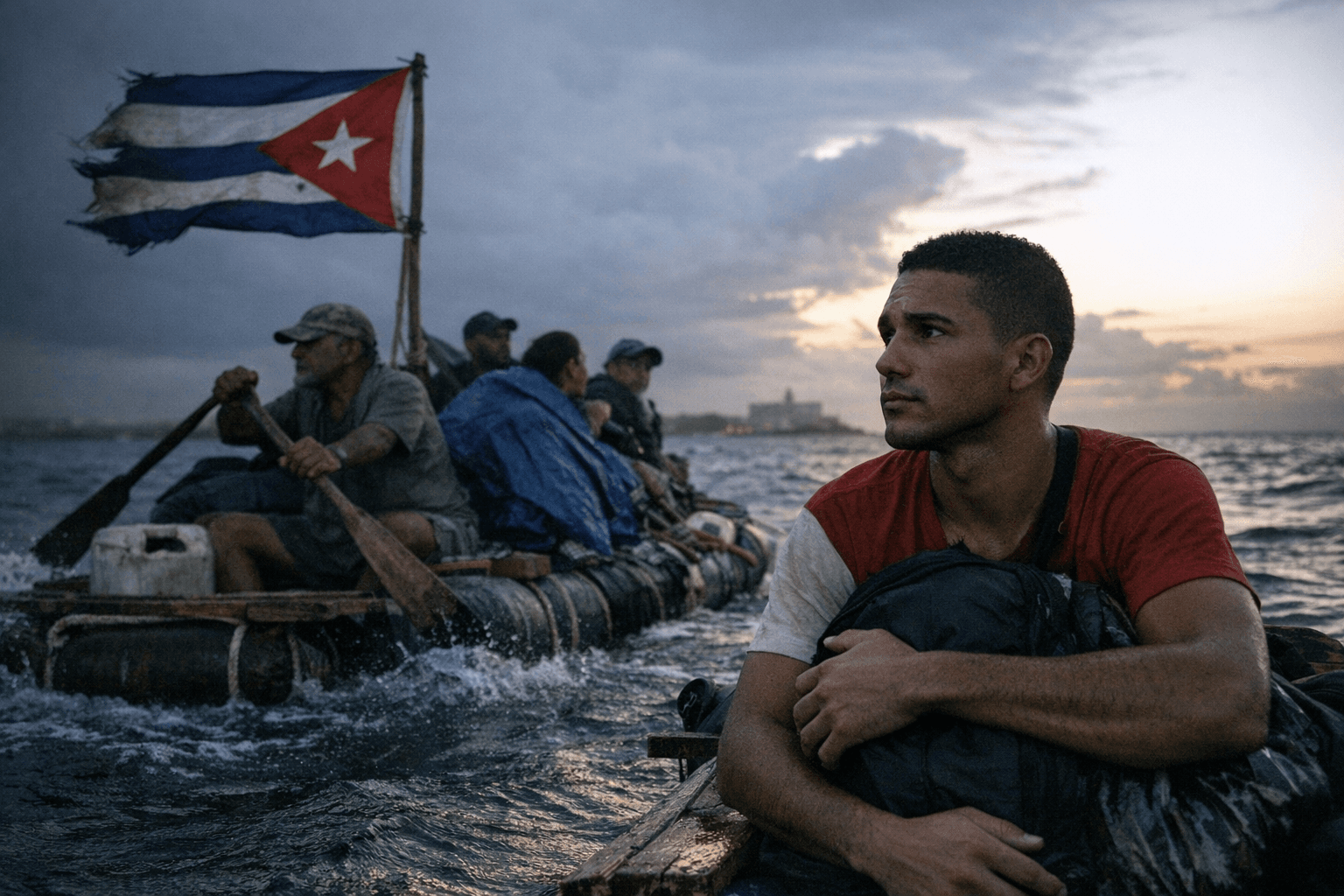
U.S. enforcement policy is part of the backdrop too. The Department of Homeland Security said on June 12, 2025, it began sending termination notices for the CHNV parole program, after a March 25, 2025 Federal Register notice said the parole programs for Cubans, Haitians, Nicaraguans and Venezuelans were being terminated. For Cubans weighing whether to move now, the route is narrower than it was for earlier waves, the paperwork is less stable, and the risk of being stranded between policy shifts is far higher.
That is why Fortun’s story resonates beyond one refugee’s journey. It shows how every new clash between Washington and Havana reaches into family decisions, turning diplomacy into a private test of fear, hope and timing.
This article was produced by Prism’s automated news system from verified source data, official records, and press releases, then run through automated quality and moderation checks before publishing. The system is built and supervised by the people who set the standards it runs under. Read our full AI policy.
Did this article answer your question?