Cuban workers cheer power crews as blackouts strain island grid
Havana’s May Day crowds gave the loudest cheers to power crews as blackouts and fuel shortages turned electricians and refinery workers into frontline heroes.
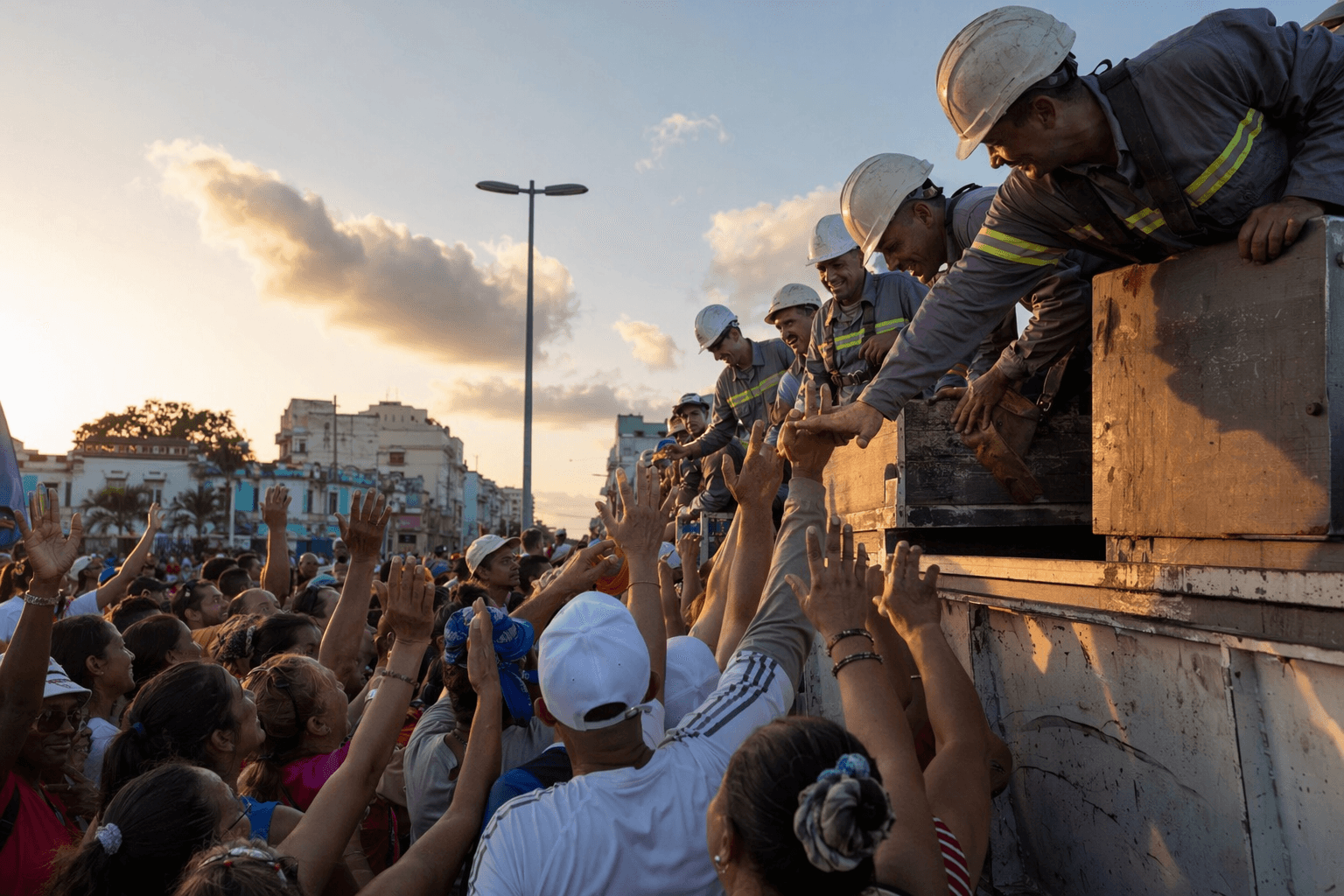
The loudest applause at Havana’s May Day march went to the crews trying to keep the lights on. Along Havana’s seawall, tens of thousands of Cubans cheered workers from Cuba’s Electric Union with unusual force, a public salute to people now laboring around the clock as the island’s grid keeps failing.
That response carried a hard edge. Blackouts have become part of daily life across Cuba, and the shortage of gasoline and fuel has made every recovery harder. What might once have been a routine celebration of labor felt, instead, like recognition of emergency responders. Electrician and accountant Yunier Meriño Reyes captured the mood plainly: “We are living through difficult times.”
The same strain was visible in the country’s petroleum sector. Rafael Martínez, a refinery worker, said he had been working eight hours a day without stopping, and described the arrival of a Russian tanker as a relief because the fuel still had to be refined before it could help ease the crisis. Energy and mines minister Vicente de la O Levy had described the situation as “brutal,” a blunt reflection of how much of daily life now depends on workers trying to keep basic services alive.
The march also carried heavy political symbolism. Ninety-four-year-old former leader Raúl Castro joined the International Workers’ Day procession in Havana, passing by the U.S. Embassy on the Malecón and appearing at the main rally at the José Martí Anti-Imperialist Tribune. Cuban state media said the central event drew more than 500,000 people, and the government tied the commemoration to the centennial year of Fidel Castro’s birth.
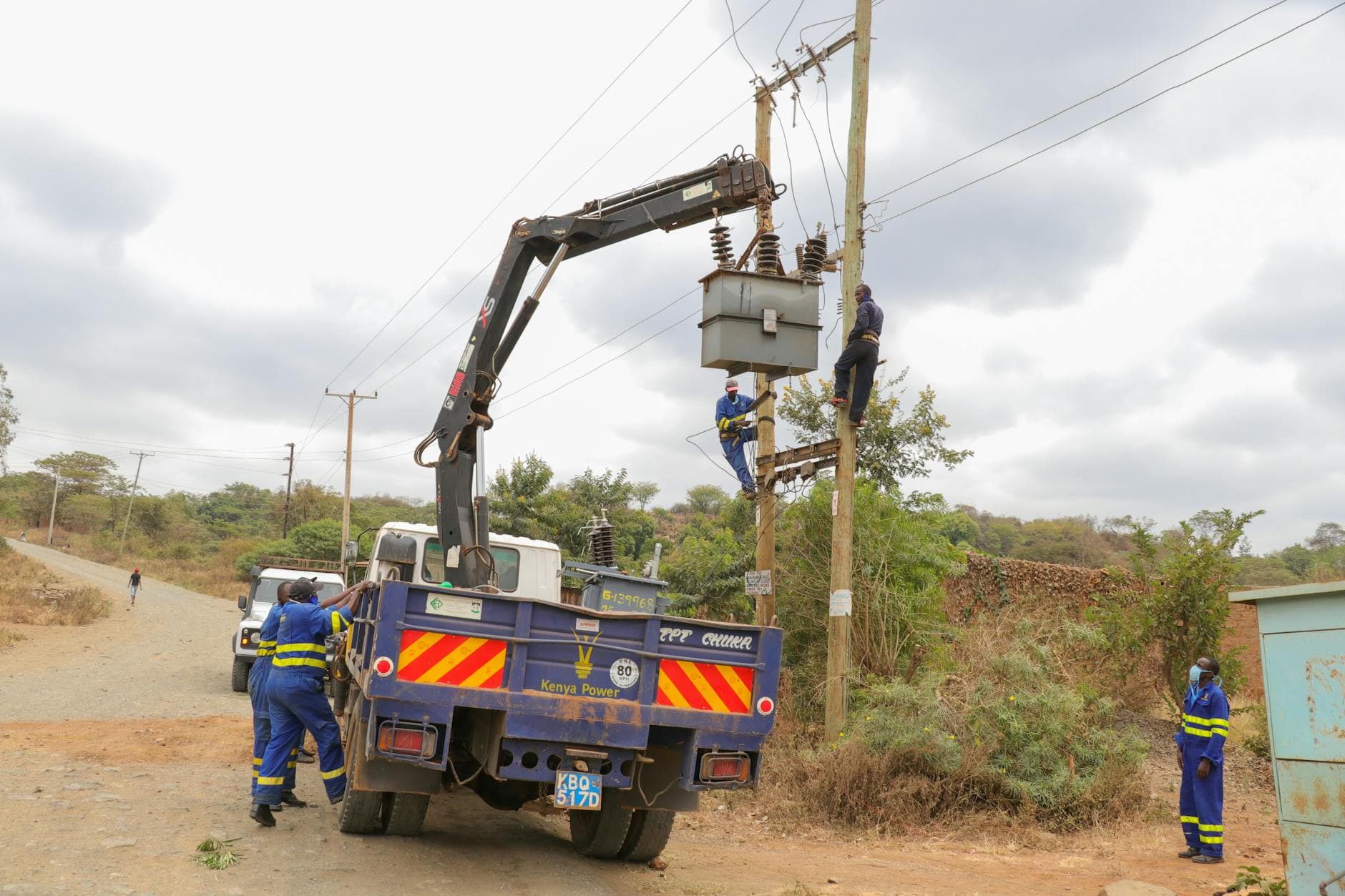
The U.S. Embassy in Havana had issued a security alert ahead of the event, underscoring how closely watched the march was from both sides of the waterfront. That setting mattered: Cuba has endured repeated major blackouts since 2024, and reporting in March 2026 said millions were affected when the national grid collapsed again. Fuel rationing and efforts to protect essential services have become part of the country’s management of the crisis.
For Cubans watching the crews on the Malecón, the applause said something sharper than ceremony. It was a sign that electricity is no longer background infrastructure. It is the difference between normal life and a country held together, hour by hour, by exhausted workers trying to keep it running.
This article was produced by Prism’s automated news system from verified source data, official records, and press releases, then run through automated quality and moderation checks before publishing. The system is built and supervised by the people who set the standards it runs under. Read our full AI policy.
Did this article answer your question?